Nature

Wildlife of the Maltese Islands

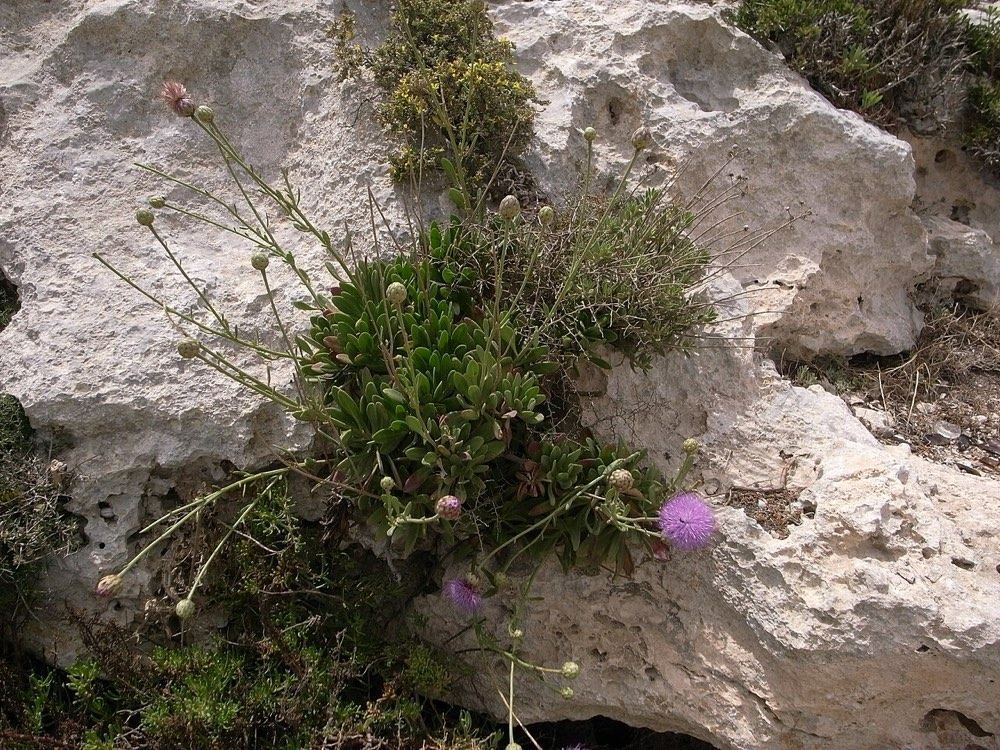
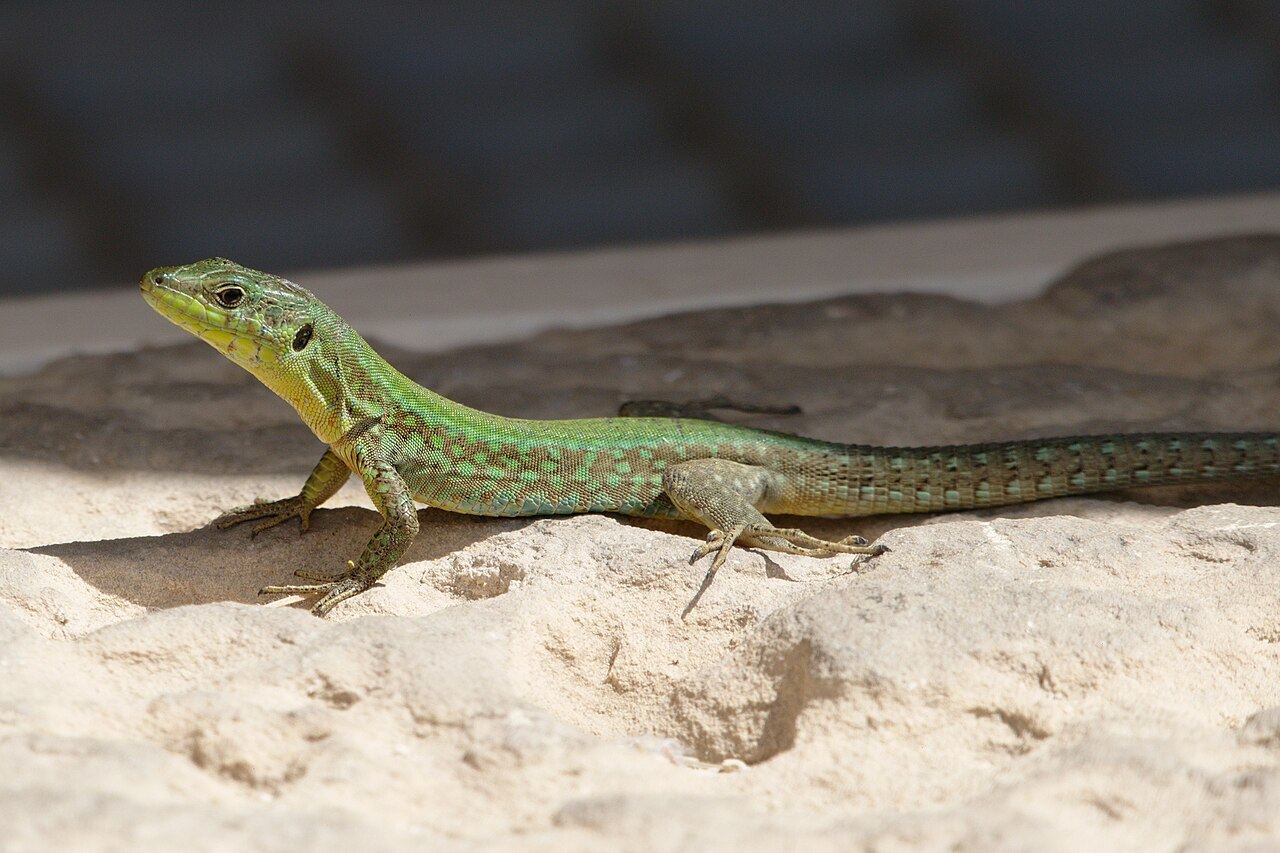
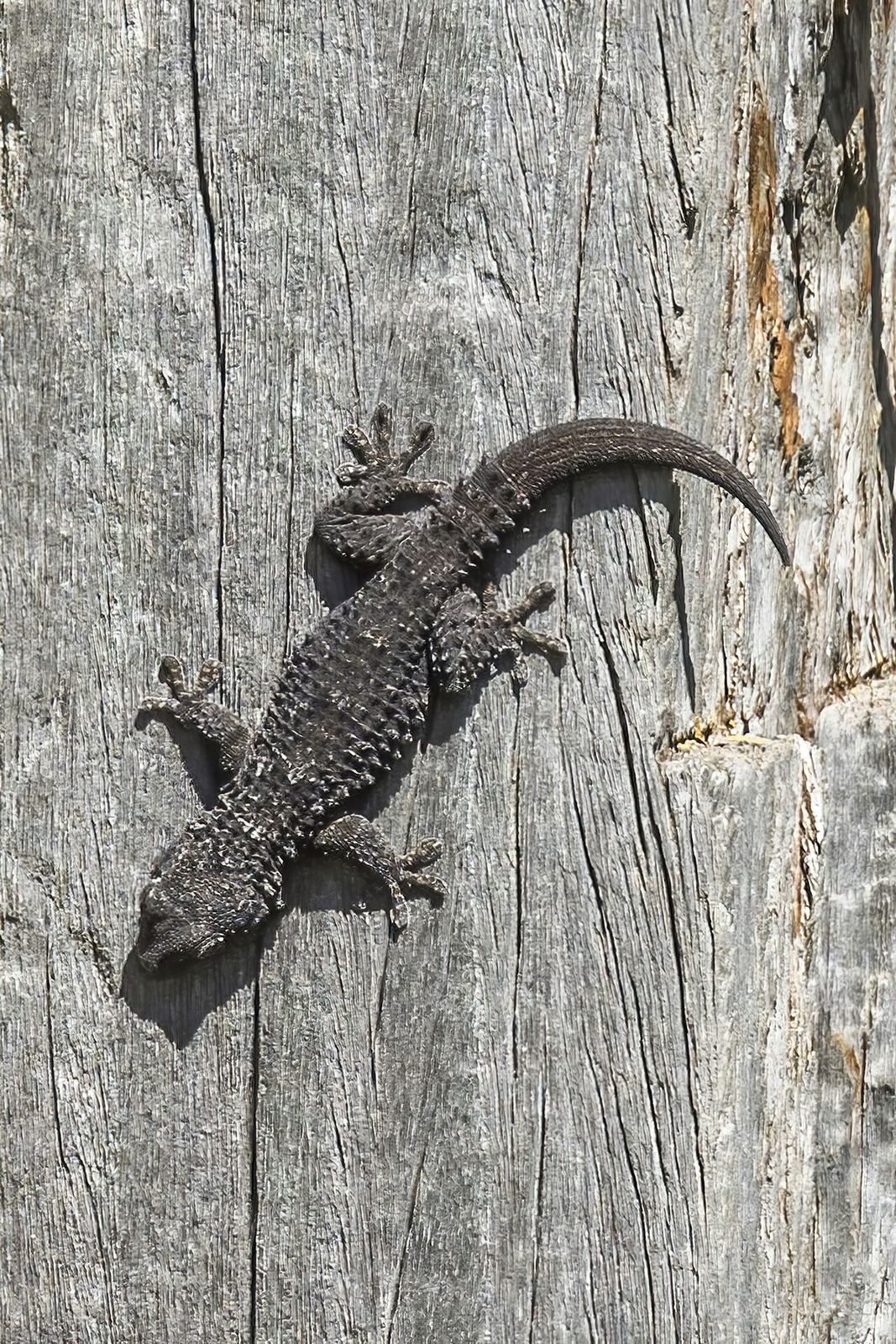
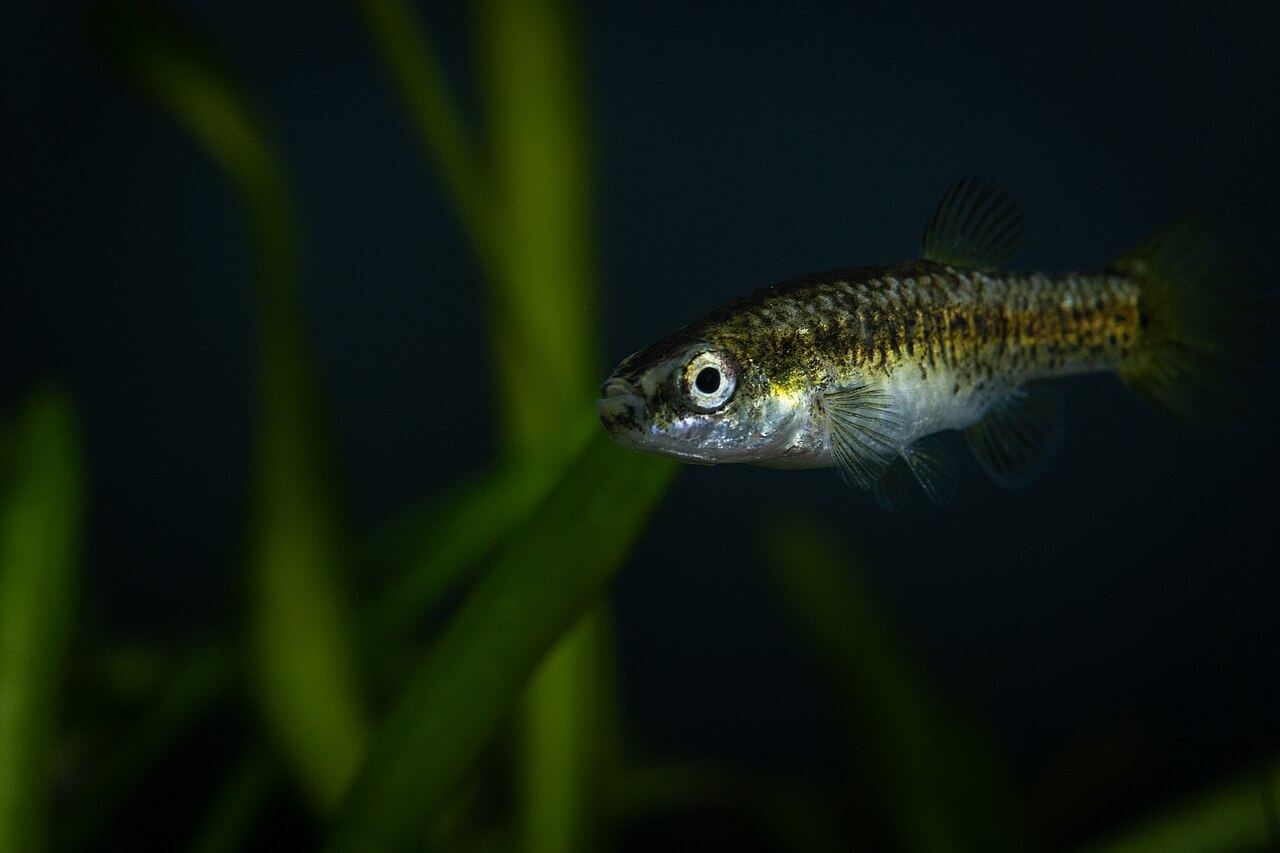
Sea cliffs, garigue, valleys and spring-fed streams shelter plants and animals that live nowhere else on Earth.

30
species in the guide
6
found only here
7
national symbols
6
habitats
Explore the species →
Group
Where it lives
30 of 30 species

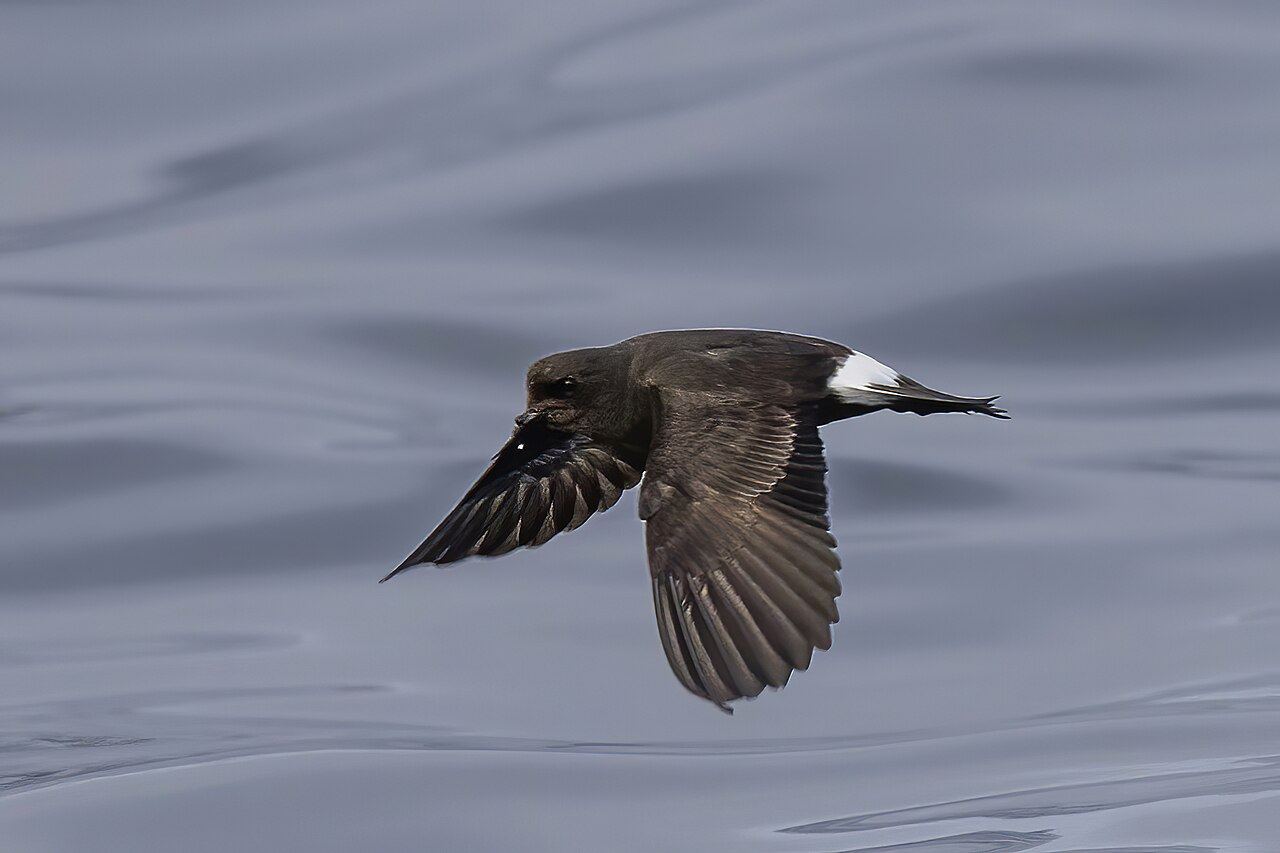
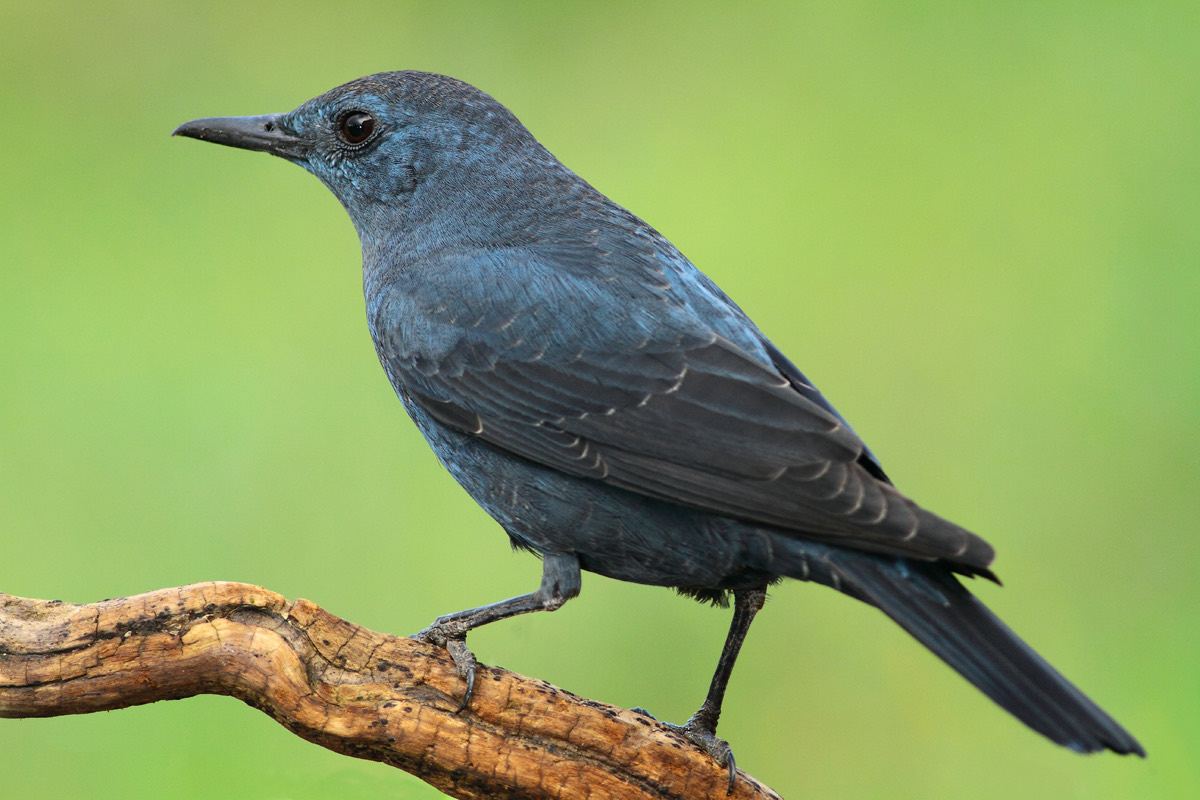
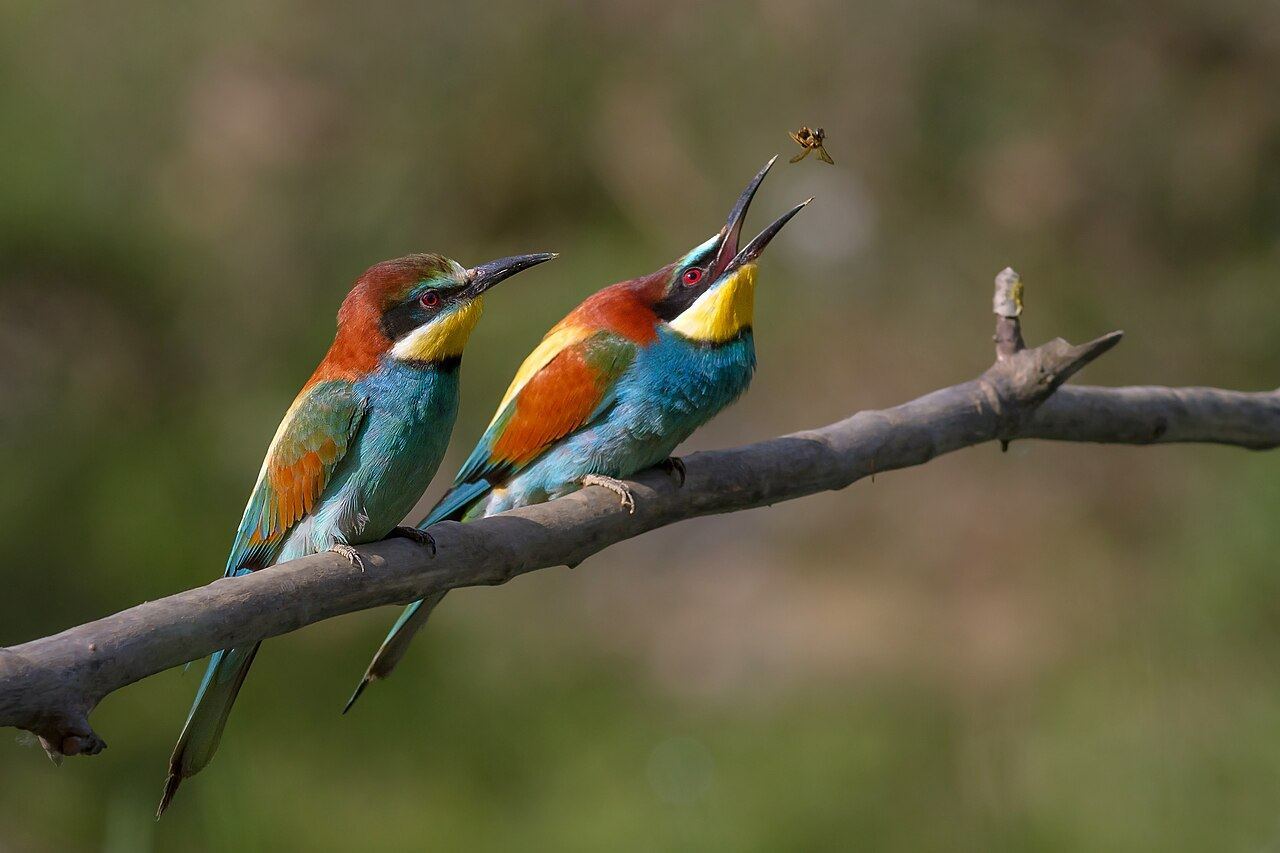
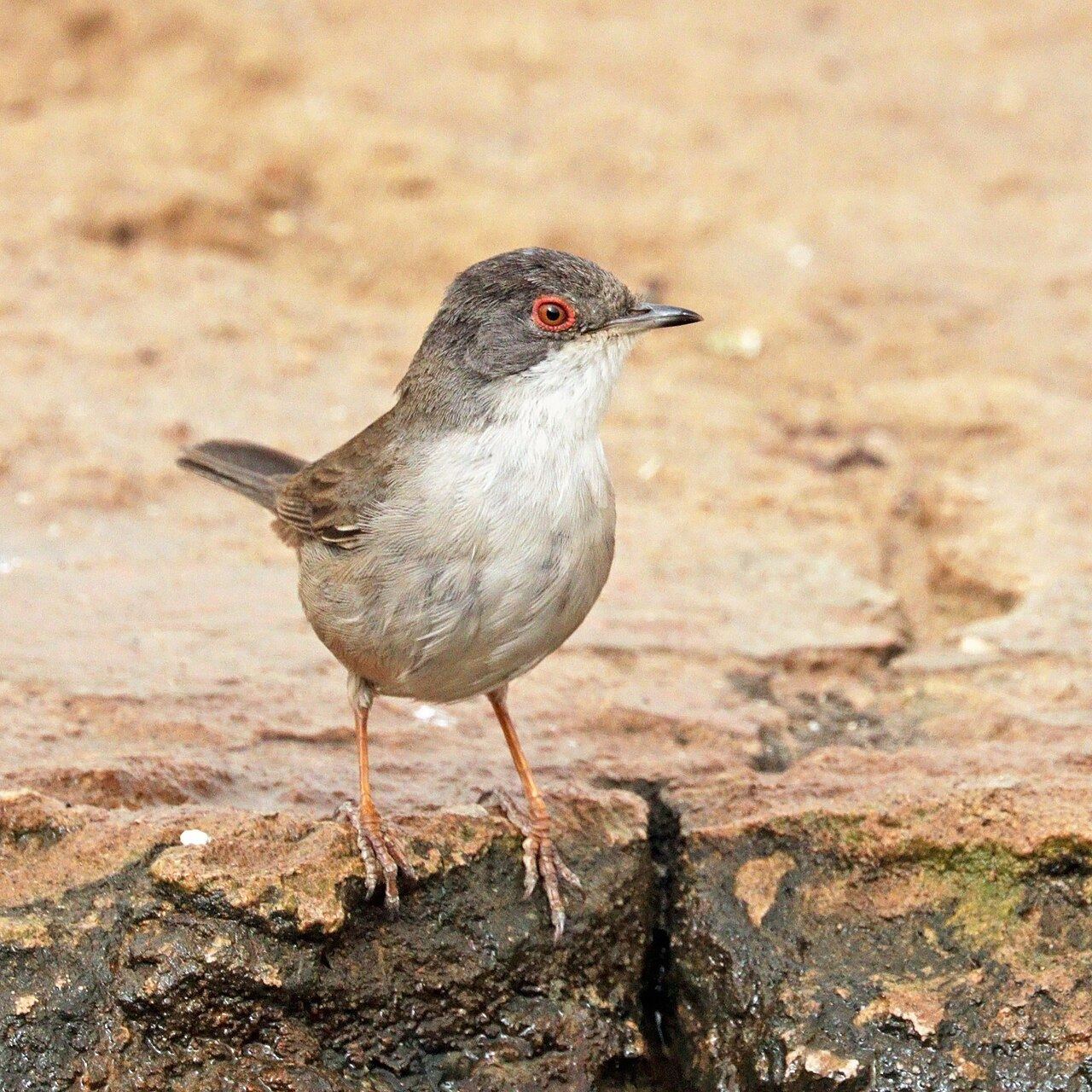
Birds 5

Insects 1

Plants 7

Reptiles 2

Freshwater 3

Marine 8

Denfil geddumu qasir

Denfil geddumu qasir

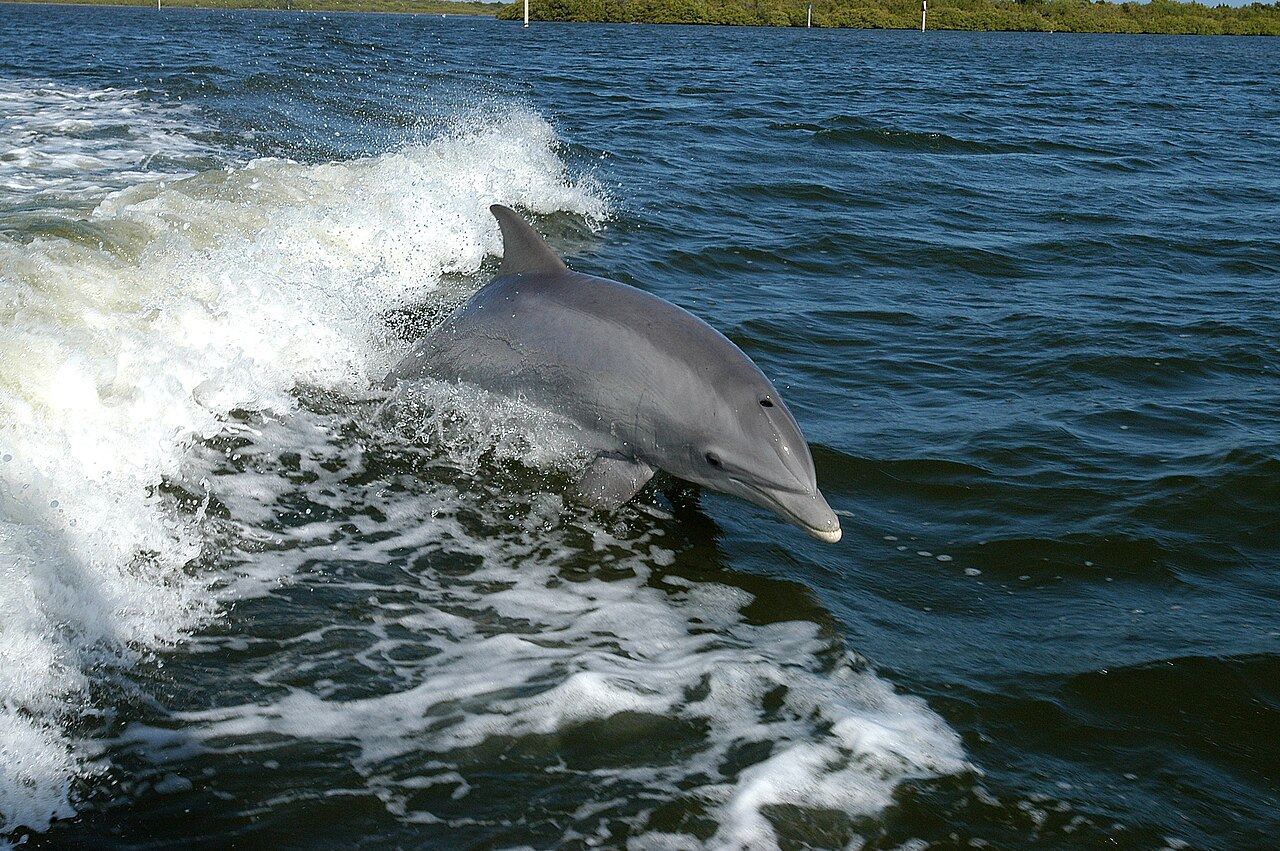
Bottlenose Dolphin
Protected

The dolphin most often seen from boats and headlands around Malta.

Fekruna l-kbira tal-baħar

Fekruna l-kbira tal-baħar

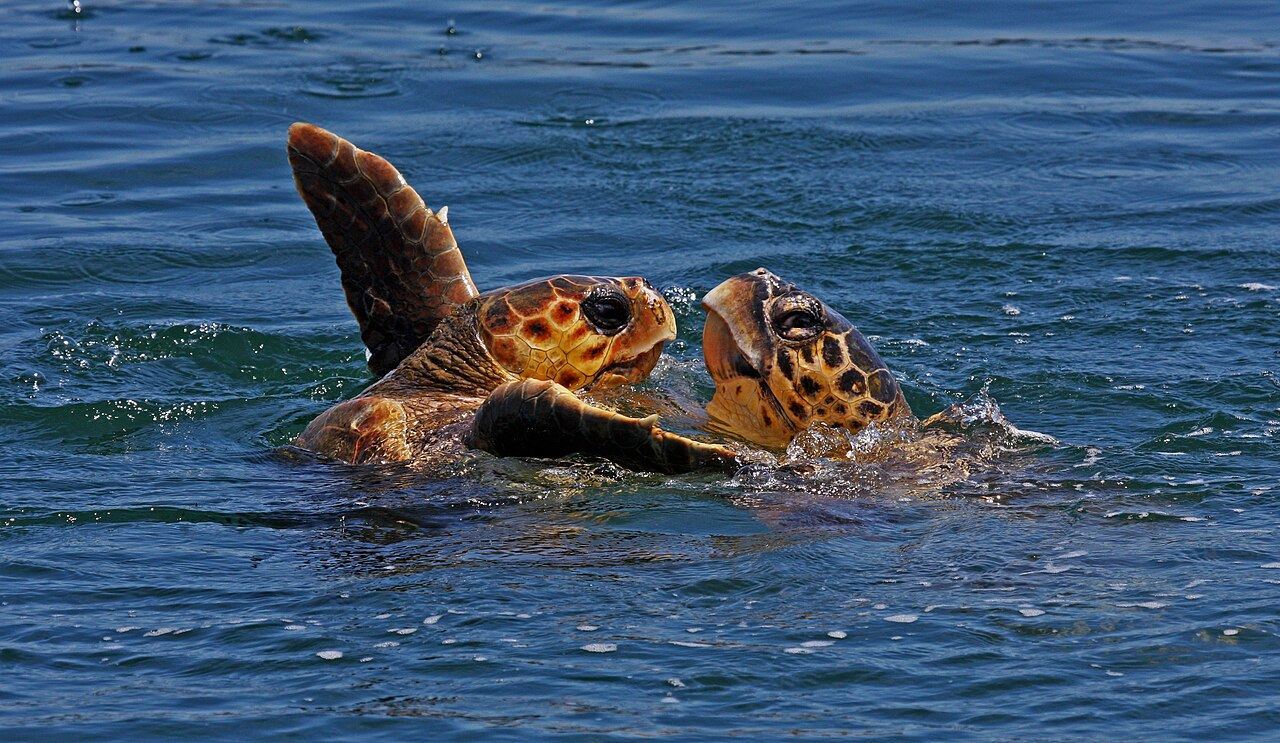
Loggerhead Turtle
Protected

The loggerhead turtle is the sea turtle most often seen in Maltese waters, and in recent years it has begun nesting on a small number of Maltese beaches.

Iċ-ċerna

Iċ-ċerna

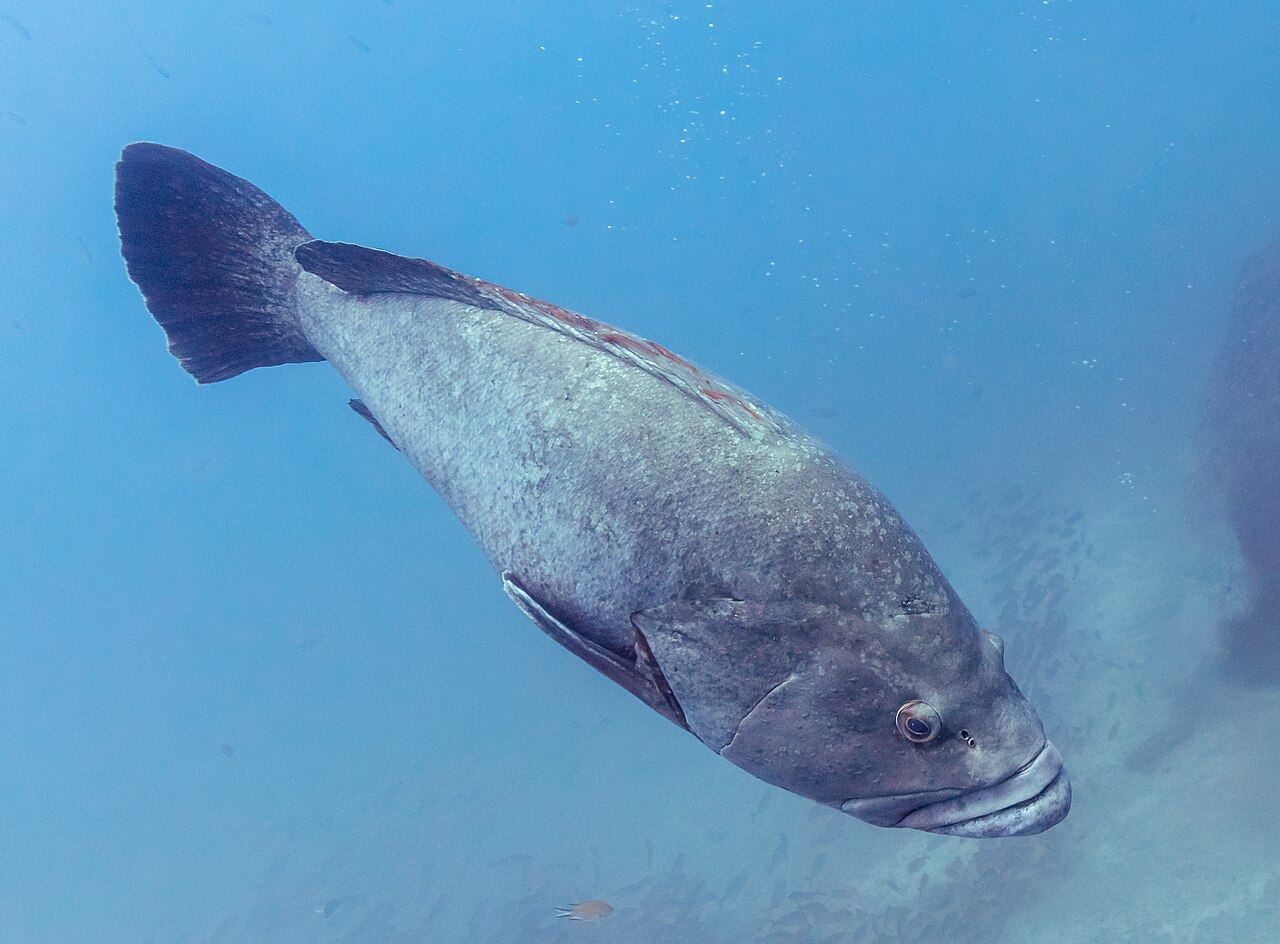
Dusky Grouper
Threatened

A big, long-lived fish of rocky reefs, curious about divers and easy to catch, so now much rarer.

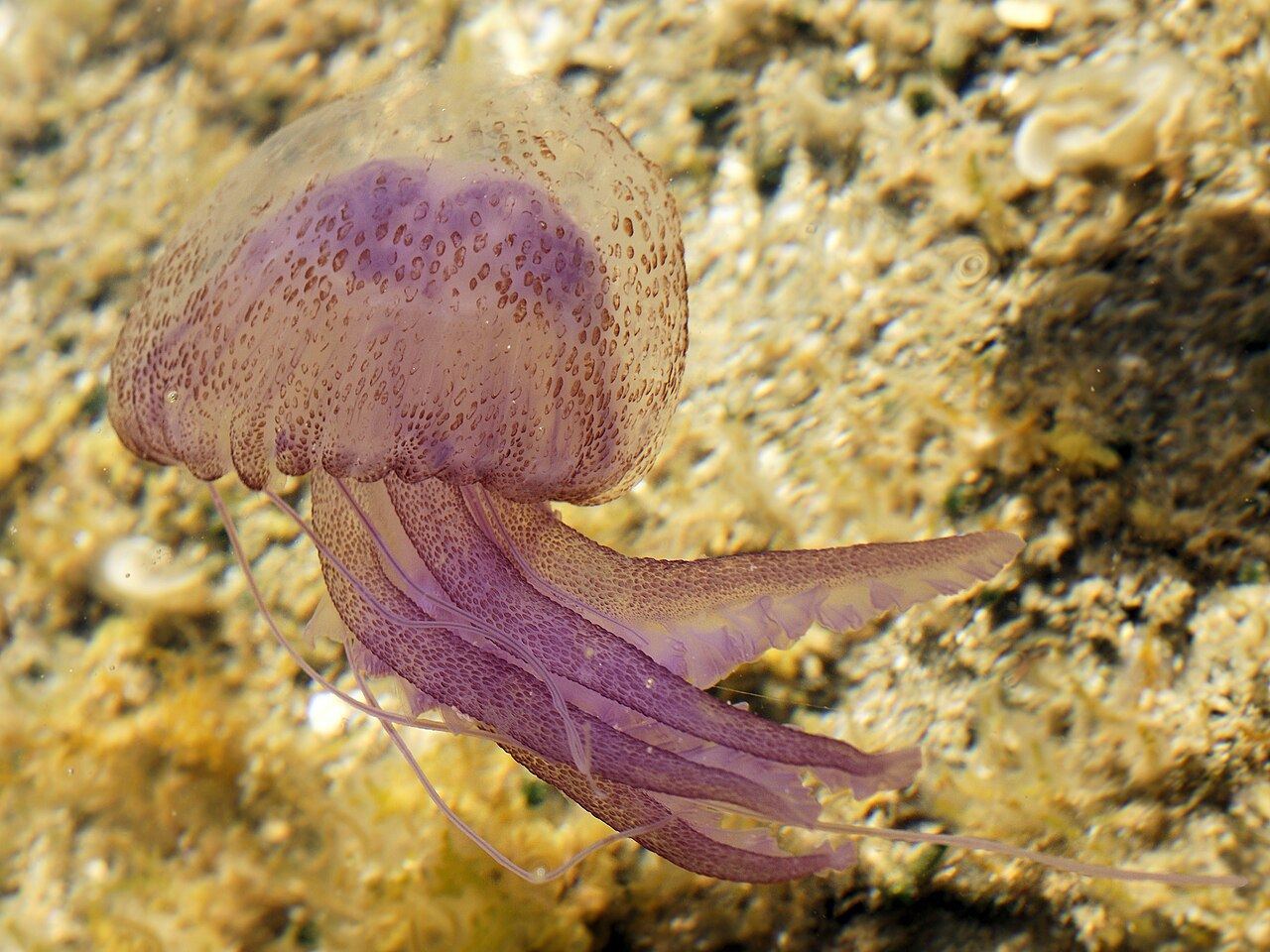
Mauve Stinger

Mauve Stinger

Pelagia noctiluca

A small purple jellyfish that glows at night and can sting. Spot the Jellyfish asks bathers to report it.

In-Nakkra

In-Nakkra

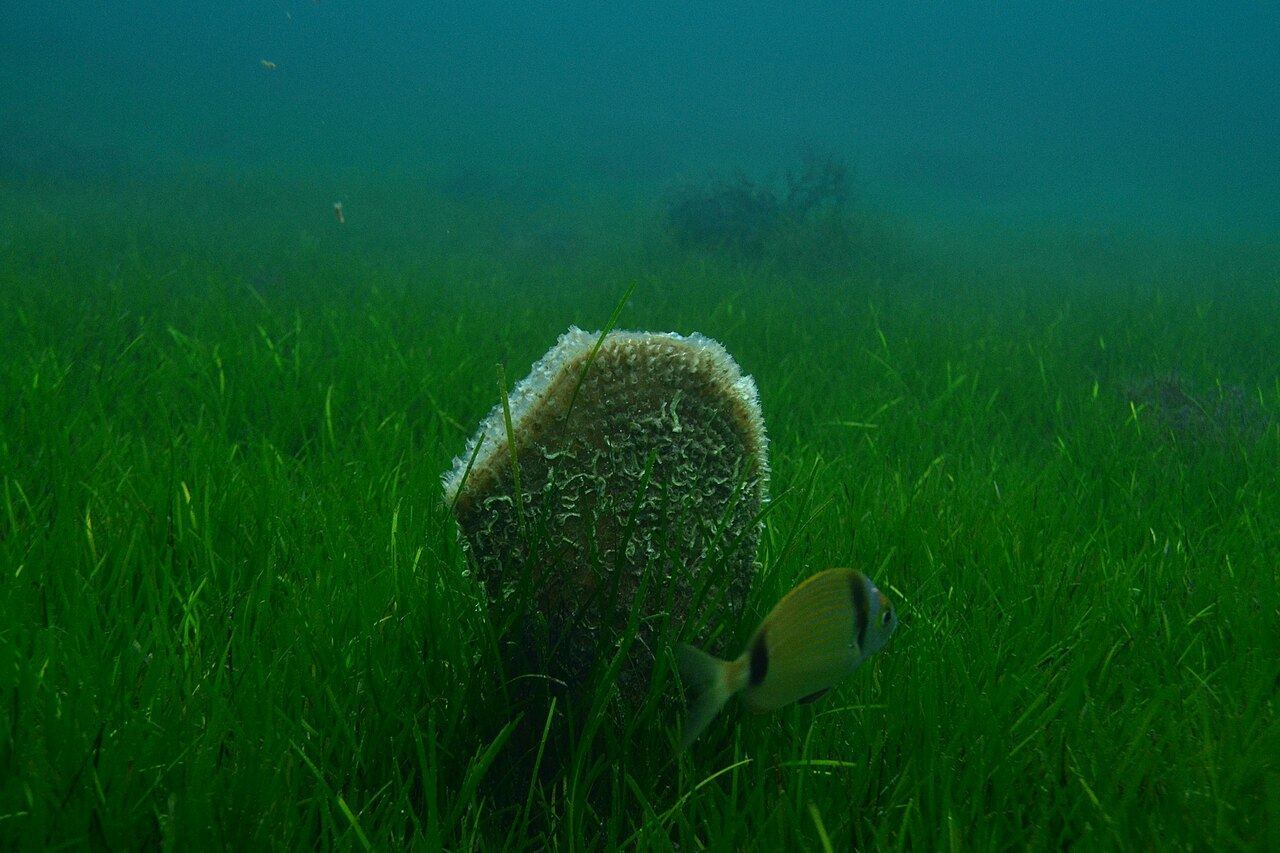
Noble Pen Shell
Critically endangered

The largest shell in the Mediterranean, now threatened by a disease that has killed most of its population.

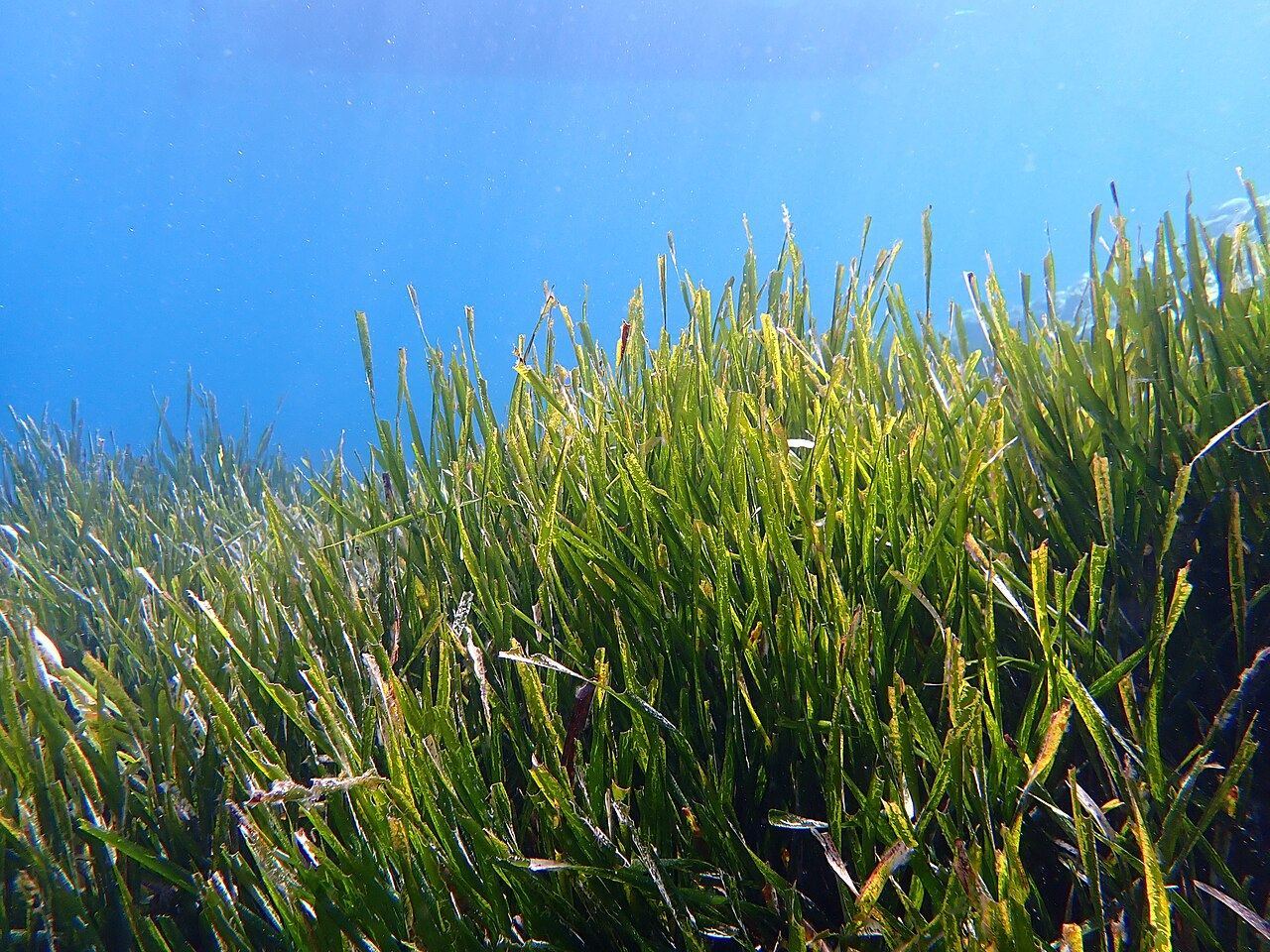
Neptune Grass

Neptune Grass

Posidonia oceanica
Protected

The seagrass meadows that feed, shelter and clean the shallow Maltese sea.

Qarnita Kommuni

Qarnita Kommuni

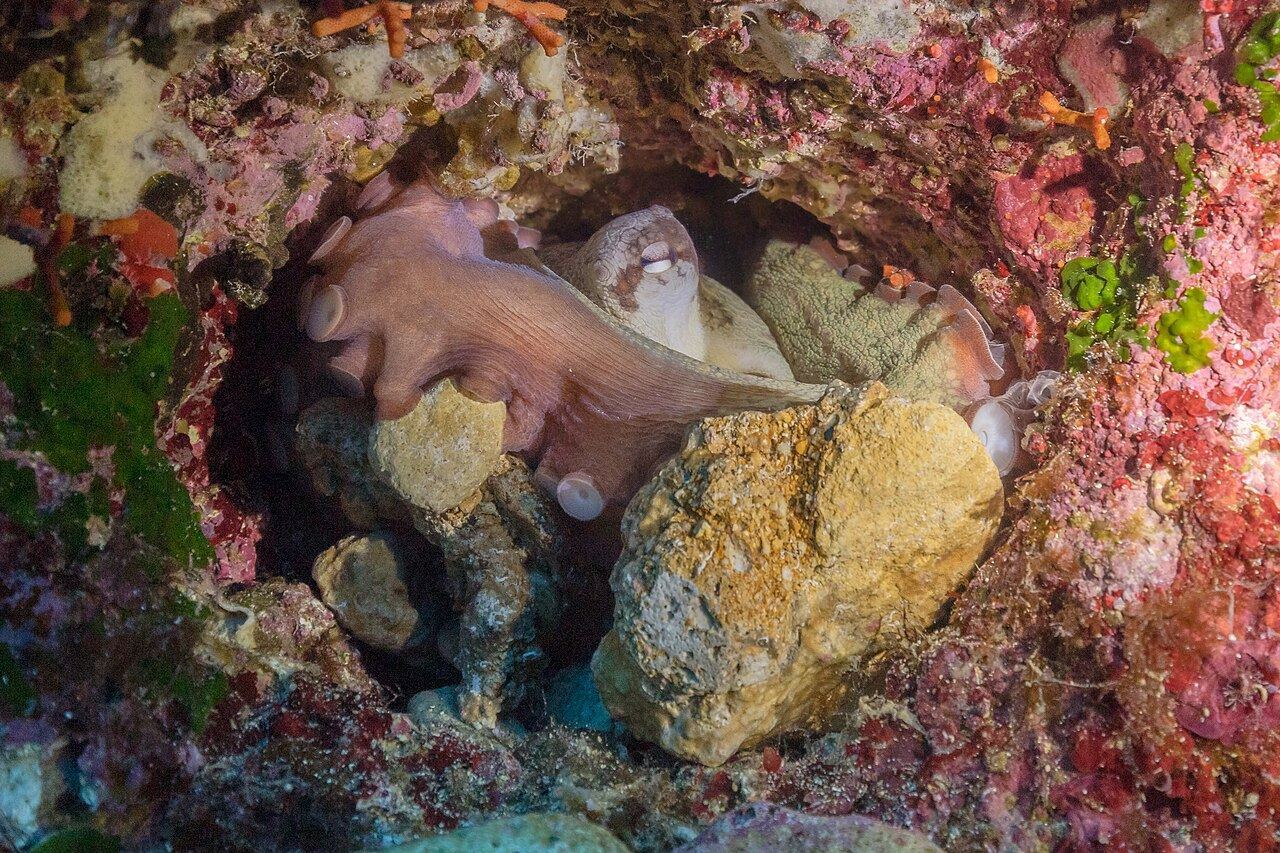
Common Octopus

The common octopus (Octopus vulgaris) is an intelligent and adaptable animal found around Malta’s rocky reefs, sandy seabeds and seagrass beds. It hunts mainly at night and can change its colour, skin texture and body shape to hide from predators and surprise its prey. Although it is still found in Maltese waters and is locally important as food, sustainable fishing and protection of marine habitats are essential because the species has a short life cycle and is sensitive to fishing pressure.

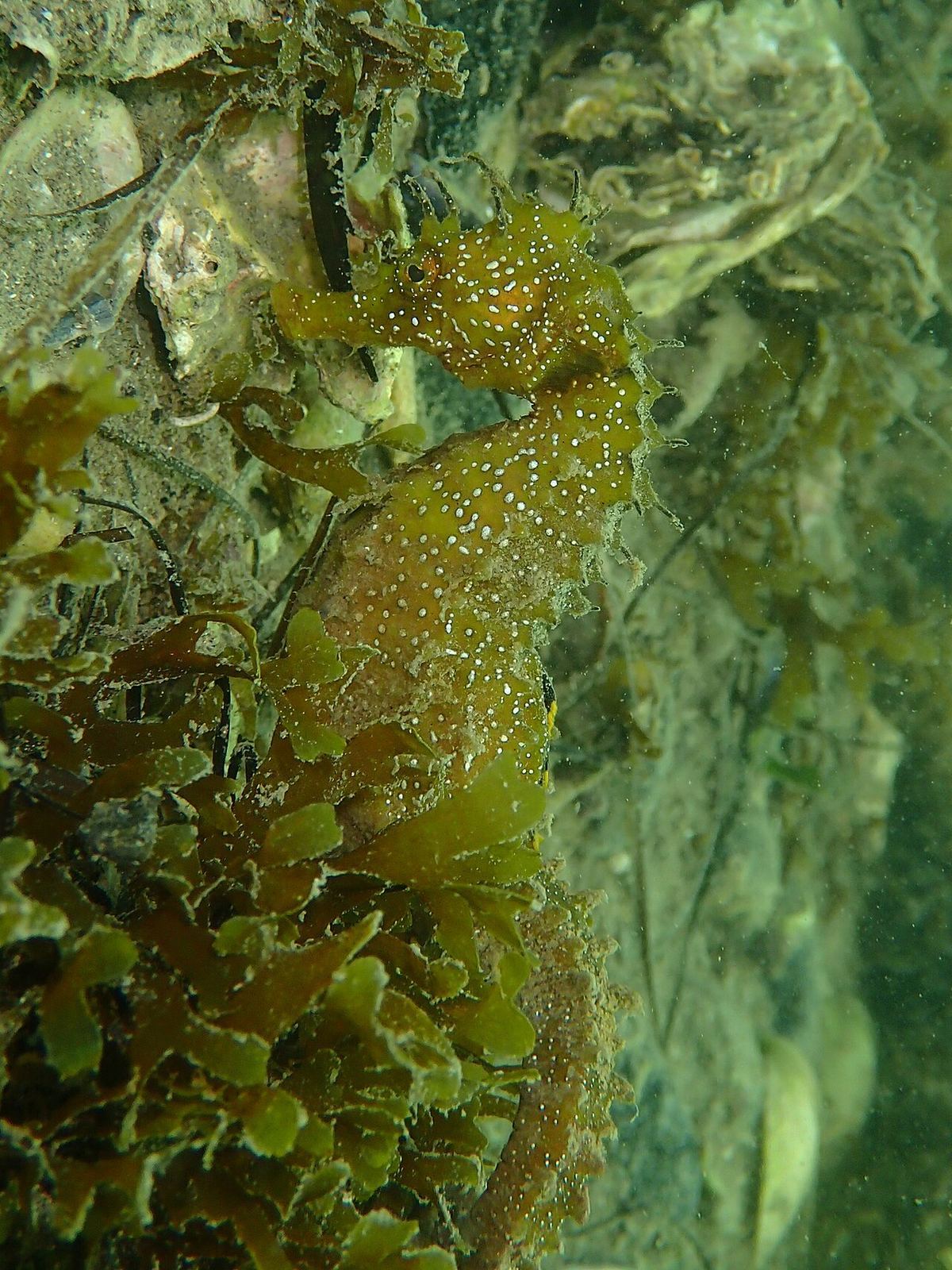
Żiemel il-baħar ħalqu twil

Żiemel il-baħar ħalqu twil

Long-snouted Seahorse
Protected

A small, slow, well-camouflaged fish that holds on to seagrass with its tail.

Mammals 4

Habitats

Where they live

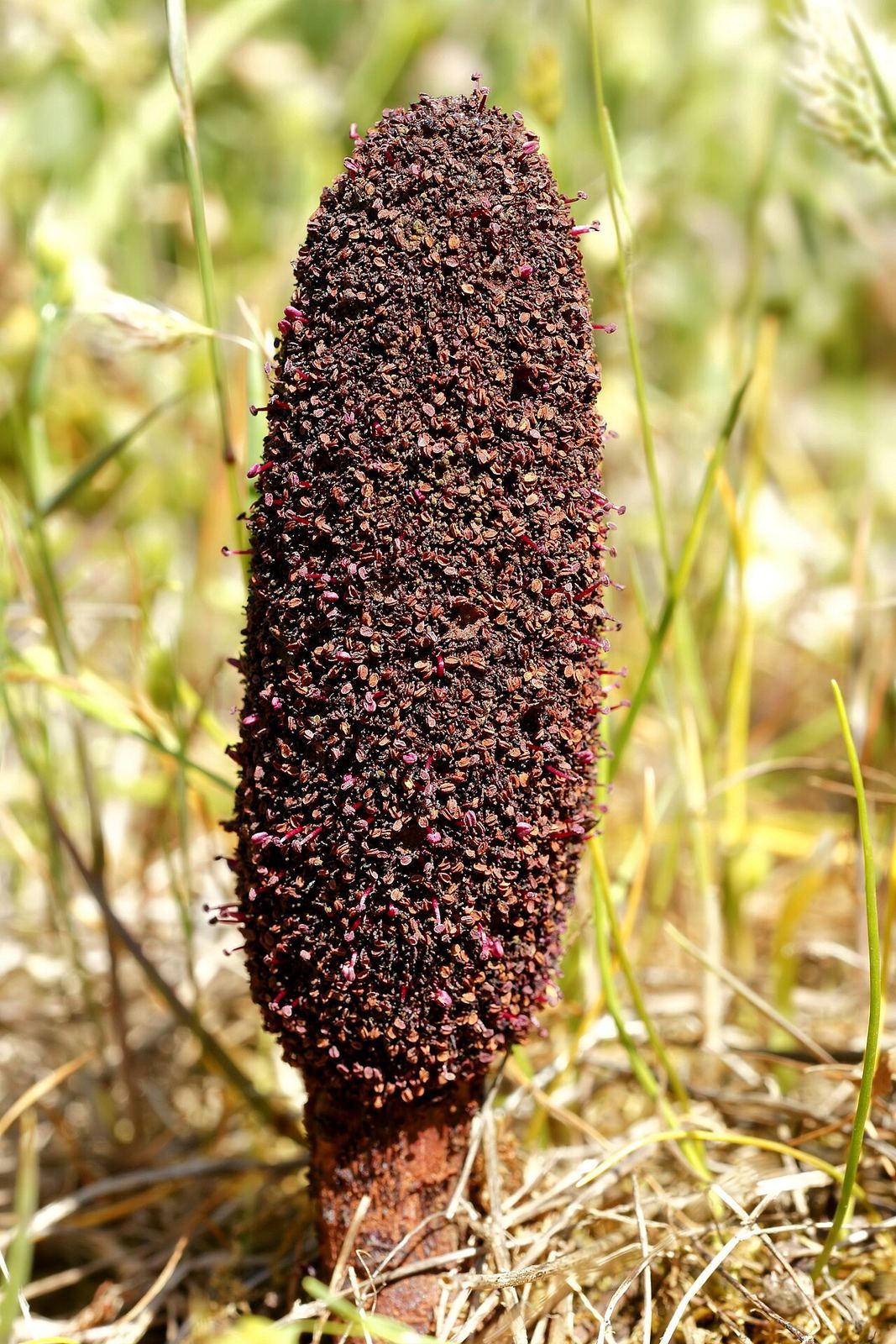
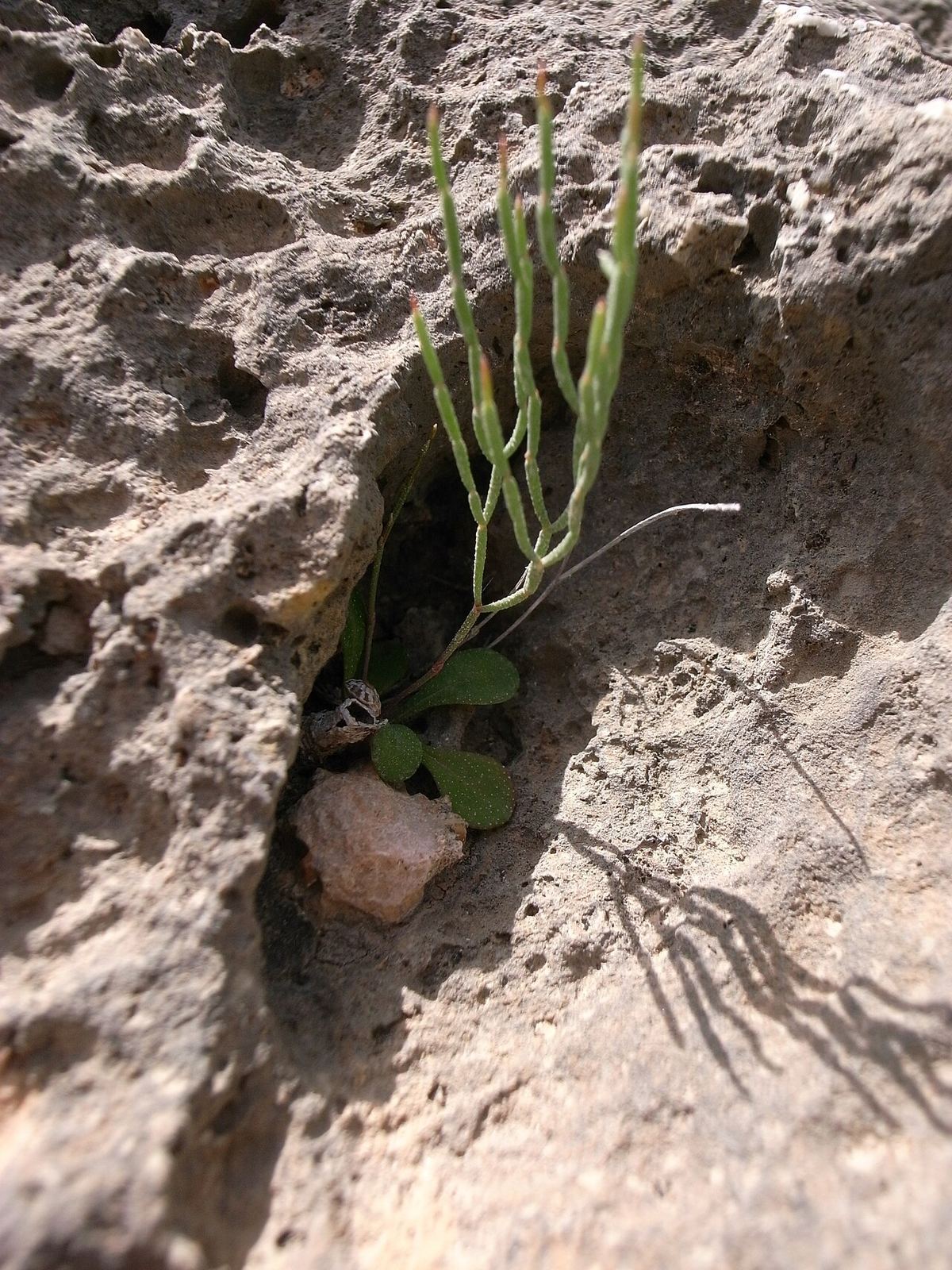
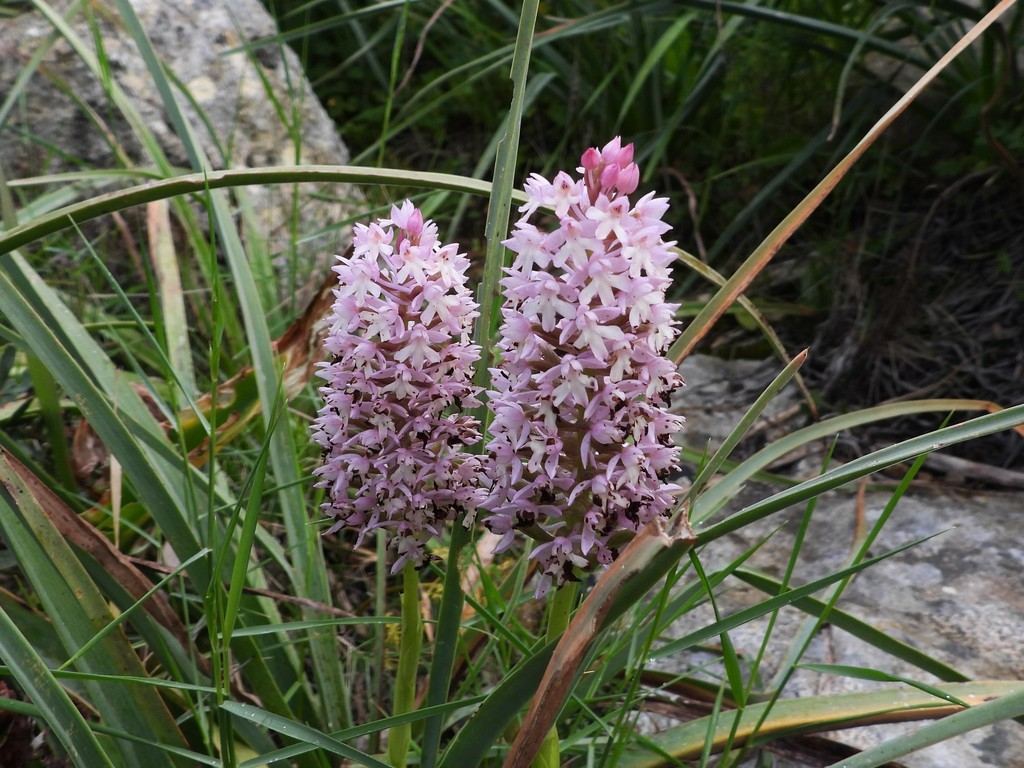
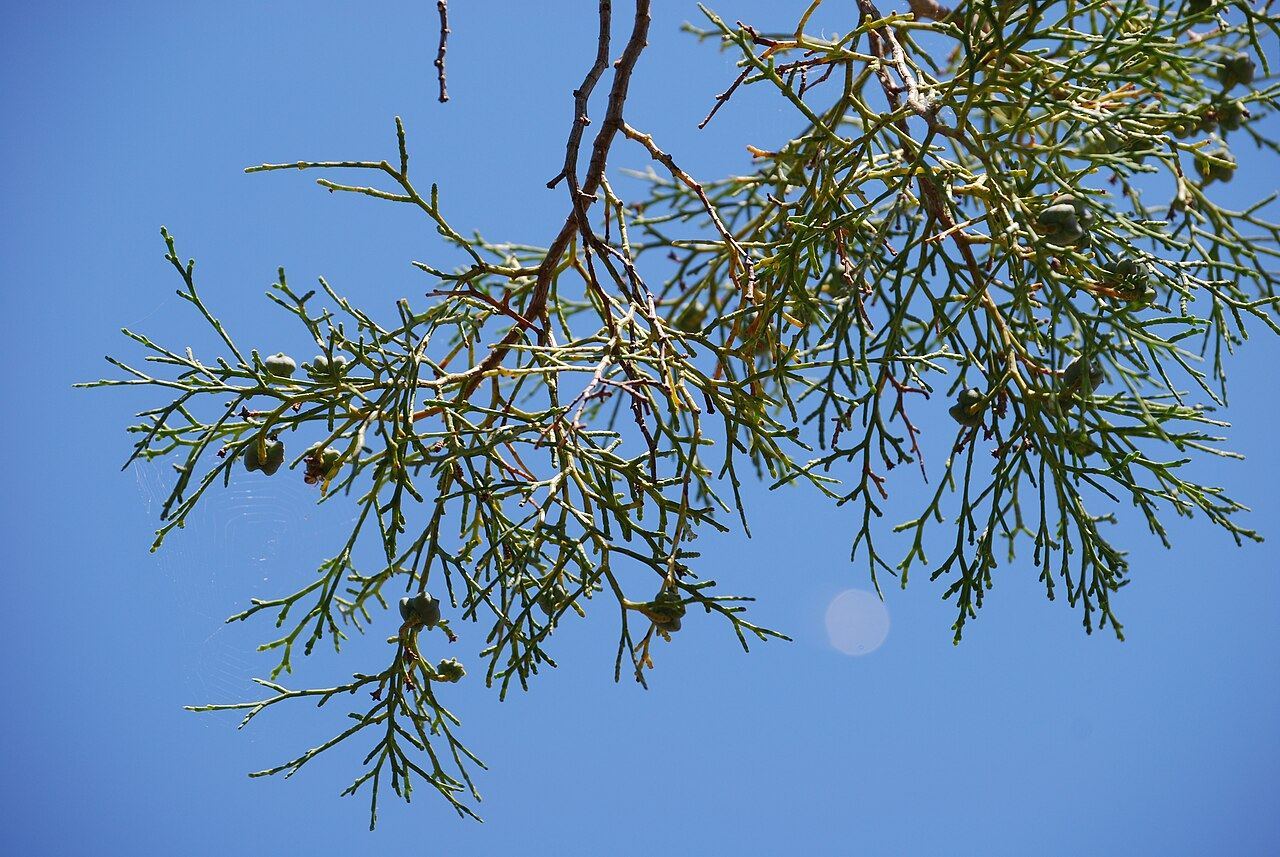
Photo: Felix König, CC BY 3.0
Photo: Christian Formosa, CC BY-SA 4.0
Photo: The Cosmonaut, CC BY-SA 2.5 ca
Photo: Ted Moravec, CC0
Photo: Ramessos, Public domain
Photo: Hunor Péter, CC0
Every species page shows how to help protect it and who to contact if something is wrong.
Research

Malta's ancient olive trees

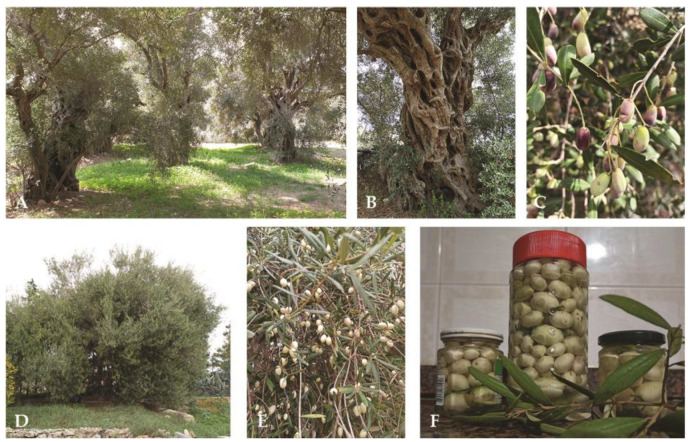
Some of Malta's olive trees have stood for centuries. The Bidni trees at Bidnija may date from the Middle Ages, and the rare Bajda carries white olives. Scientists are now reading their genes so the best local varieties can be grown again.

Ancient Bidni olive trees, white Bajda olives on the branch, and jars of home-brined white olives
Figure: Passeri et al. 2023, CC BY 4.0Research · 2023

The ancient olive trees of the Maltese Islands

Plants (MDPI) · May 2023

A search across Malta and Gozo found ancient olive trees, many abandoned, that are genetically unlike any known variety. Their fruit was tested over two years to find the best local trees for table olives and oil.
Feature · 2017

The white olives of Malta

AramcoWorld · July 2017

How a white olive tree turned up in a garden once owned by the Knights, and how Malta set about reviving its native olives.

Research · 2024

A glimpse into the genetic heritage of the olive tree in Malta

Agriculture (MDPI) · March 2024

DNA tests on 57 ancient and wild olive trees found that Malta's olives are genetically very diverse.

Research · 2022

Exploring olive genetic diversity in the Maltese Islands

Sustainability (MDPI) · August 2022

Olives collected across the islands, many from ancient monumental trees, were DNA-tested and sorted into 46 different genotypes.

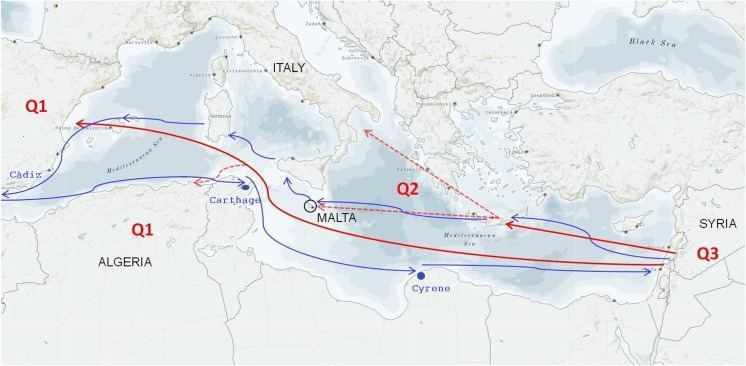
Map of how the olive spread across the Mediterranean
Figure: di Rienzo et al. 2018, CC BY 4.0Research · 2018

Genetic flow among olive populations within the Mediterranean basin

PeerJ · July 2018

A comparison of 128 olive trees from Italy, Algeria, Syria and Malta found that Maltese olives group with Italian ones, with genes that point back to Syria.

Pollinators

Bees in Malta

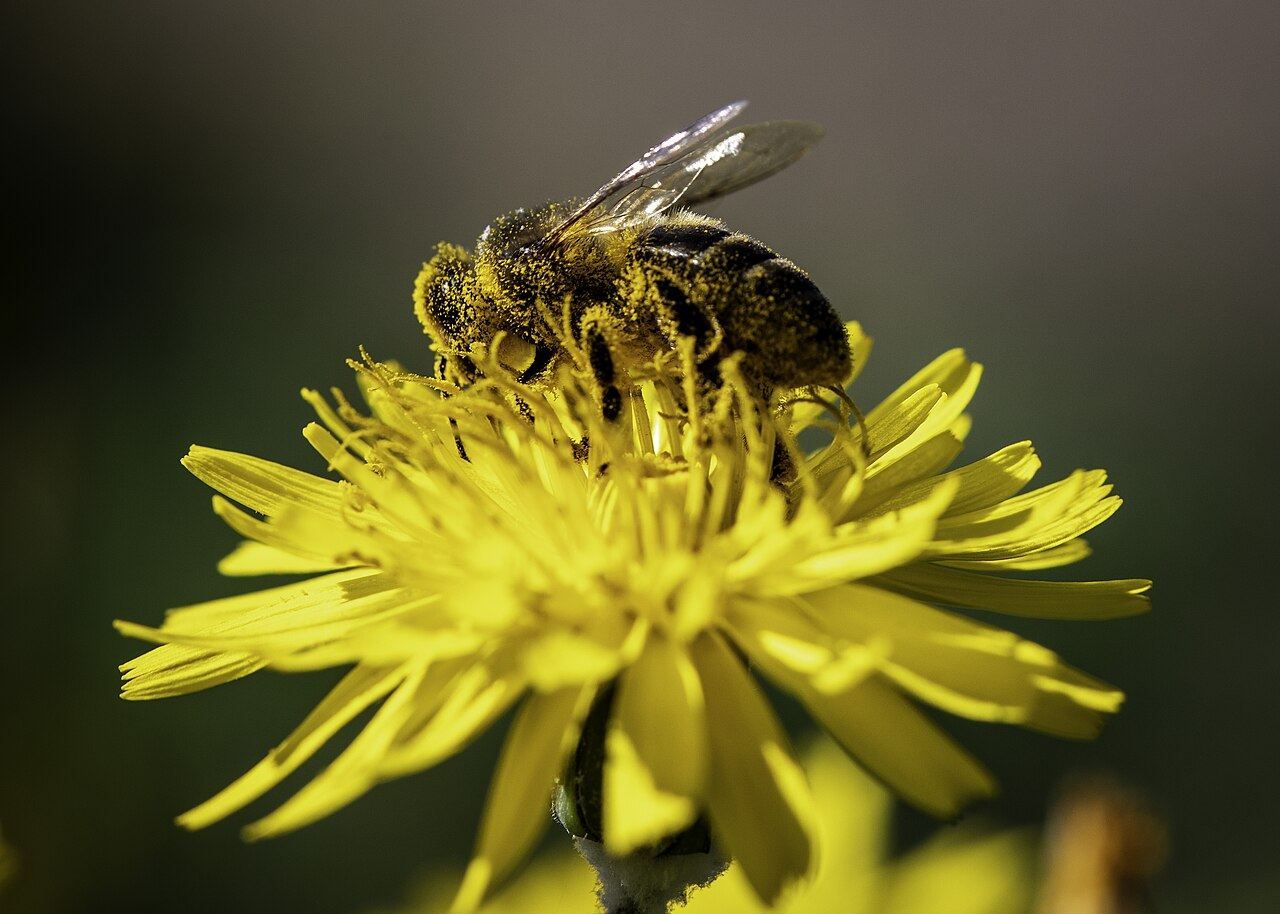
Honey bees carry pollen from plant to plant and so help crops and wild flowers make fruit and seed. Malta has its own honey bee, and local people are working to look after it.

Visit: Ġnien id-Dakkara, San Ġwann

A public pollinator garden on the edge of San Ġwann. It was announced in May 2021 as a €300,000 project to turn a run-down plot of about 1,000 square metres on Triq tal-Prepostu into a garden of carob, almond and Judas trees and aromatic herbs, all chosen to attract pollinators.

Enclosures in the garden hold honey bee hives, so visitors can learn about pollination and Malta's honey bee. Parks Malta helps San Ġwann local council to plant and look after it. GuideMe Malta reports that the abandoned area has since been turned into the garden.

We have not found published opening hours. Check the exact entrance and any access rules before you go.

Announcement (Times of Malta) ↗The finished garden (GuideMe Malta) ↗

The Maltese honey bee

Meet the local honey bee (Apis mellifera ruttneri): what makes it special and how to help it.

Read more →

Foundation for the Conservation of the Maltese Honey Bee

A Maltese foundation working to protect the islands' honey bee. Its recent projects include bee hotels made from wood cleared of invasive alien trees, and a children's book, Il-Fjuri Qarrieqa.

Read: Il-Fjuri Qarrieqa →maltesehoneybee.org ↗

Watch: the Maltese honey bee

Unique Insect: The Maltese Honey Bee

Foundation for the Conservation of the Maltese Honey Bee

An 11-minute documentary on the Maltese honey bee (Apis mellifera ruttneri): its unique biodiversity, its long history on the islands, the challenges it faces and the national insect initiative. It includes interviews with Prof. David Mifsud and the tenor Joseph Calleja. This is the English version of the Maltese film.

Watch on YouTube ↗

These videos are on YouTube. Nothing is loaded from YouTube until you press play. Videos are in English.

Help and learn more

Meet the community

People who have helped make Malta better through care for nature, animals, public awareness, science and community action.

Read more →

Wildlife emergency?

Call 112 if people are in danger. For injured or stranded wildlife and nature crime:

Wildlife rescue (Nature Trust Malta)9999 9505
Environment and Resources Authority2292 3500
Injured birds, office hours (BirdLife Malta)2134 7645 ext 507
Injured birds, evenings and weekends (BirdLife Malta)7925 5697
Environmental rangers, land and sea (WhatsApp)7937 8118

Numbers as listed by Nature Malta. All report options →

Learn more at Nature Malta

An independent Maltese guide to wildlife, habitats, protected areas and environmental news, which also welcomes observations and photos from the public.

Wildlife knowledge base ↗Habitats and environments ↗Protected areas ↗Environmental timeline ↗Send in an observation or photo ↗

Official species references

Maltese and scientific names, protection status and conservation notes, from the Environment and Resources Authority and the University of Malta.

ERA: native and endemic species ↗ERA: marine fauna ↗ERA: Malta's national species ↗ERA: terrestrial habitats ↗University of Malta: Malta's Natural Heritage (1994, older reference) ↗EU Article 17 national summary for Malta (technical, English) ↗

What is Natura 2000?

The European Union's network of protected areas for rare and threatened wildlife. It joins Special Areas of Conservation, chosen under the Habitats Directive, with Special Protection Areas for birds, chosen under the Birds Directive.

These are not fenced-off reserves: people can live, farm and walk in them, as long as the habitats and species stay in good condition. Traditional farmland and the green corridors that link sites count too, because wildlife needs to move between them.

Malta's Natura 2000 sites are now being restored under the €9 million E-CORE programme.

Map of all Natura 2000 sites (European Environment Agency) ↗

Watch: Natura Maltija

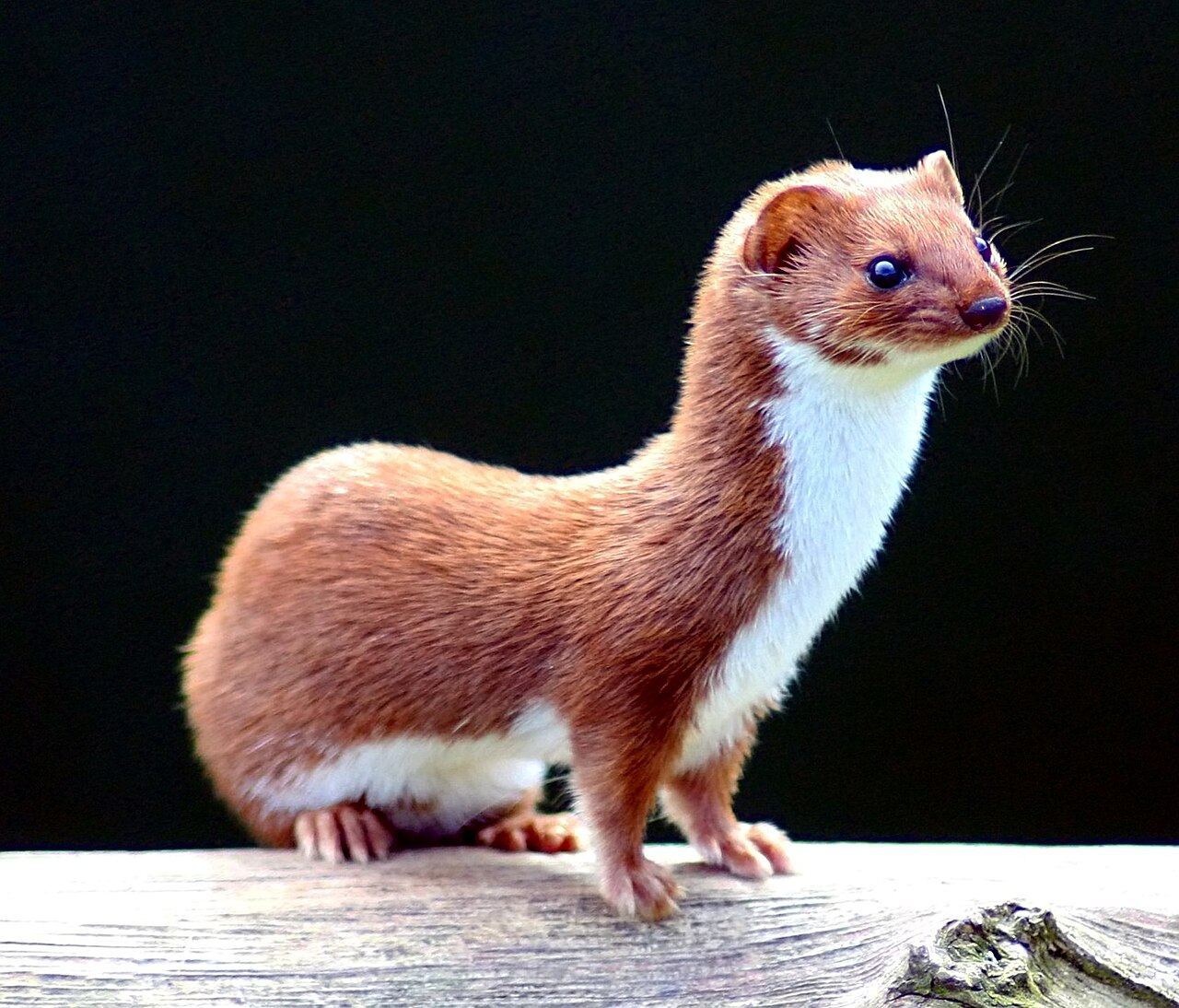
A documentary series on Maltese wildlife by teacher and filmmaker Saviour Bonnici, including rare footage of the Maltese weasel, Malta's rarest mammal. Malta has about 11,000 species of plants and animals, around 130 of them endemic, yet only about 100 have ever been filmed.

A Malta Environment Foundation grant made the series free to watch online, with English translations, on YouTube, Facebook, Instagram and TikTok.

About the project (Malta Environment Foundation) ↗

Watch

Birds Amongst Us (Natura Maltija, season 2, episode 7)

Natura Maltija, Wildlife Malta

Filmed in Malta: starlings, the Blue Rock Thrush (il-Merill) feeding its young, and a do-it-yourself live camera for watching robins and Sardinian warblers in town.

Watch on YouTube ↗

More videos

These videos are on YouTube. Nothing is loaded from YouTube until you press play. Videos are in English.

News and other content on this site are compiled from the sources cited on each item and summarised in our own words. We do not claim the original reporting or research as our own: follow the source link for the full original. Information may be incomplete or out of date, so check with the source or the authorities before relying on it.

© 2026 Today.mt. All rights reserved. Photographs and other media remain the property of their owners and are used under the licences credited on the Photo credits page. Names and quotations belong to their respective sources. Photo credits

No accounts, no tracking. Photos and some content are placeholders for internal review.