Endemic subspecies, protected by law
In-naħla Maltija
Malta's national insect: a dark honey bee found only in the Maltese islands, protected by law and under pressure from imported bees and the Oriental hornet.
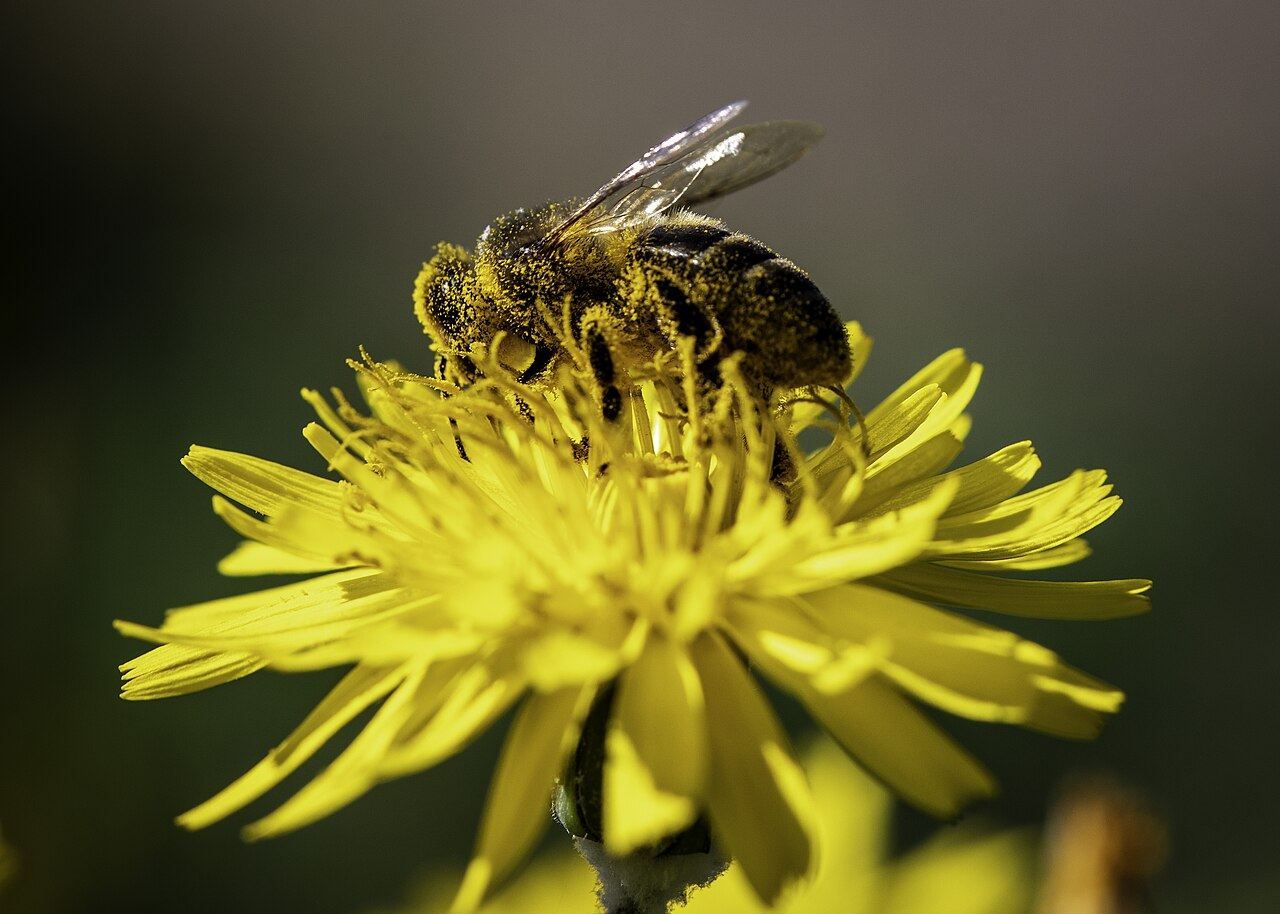
The Maltese honey bee (In-naħla Maltija, Apis mellifera ruttneri) is Malta's national insect. Honey bees live across Europe, Africa and the Middle East, but this subspecies is found only in the Maltese islands. Cut off from other bees for thousands of years, it adapted to hot, dry summers, mild winters and the islands' wild flowers.
Why saving it matters
It is part of Malta's natural heritage. The Maltese honey bee is protected by law (S.L. 549.120), and once its local traits are lost they cannot be bred back.
It pollinates wild flowers, garigue plants and crops, and it makes Maltese honey, including the prized thyme (sagħtar) honey. Malta's ancient name, Melite, is often linked to the Greek word for honey.
Its local adaptations matter more as summers get hotter. A bee already suited to Maltese heat and drought is the best basis for sustainable beekeeping in a changing climate.
The main threats
Mixing with imported bees. Foreign honey bee breeds and queens brought into Malta mate freely with local bees. Over time this hybridisation dilutes the Maltese bee's distinct traits, a slow, indirect route to extinction. The Foundation for the Conservation of the Maltese Honey Bee campaigns against importing foreign bees.
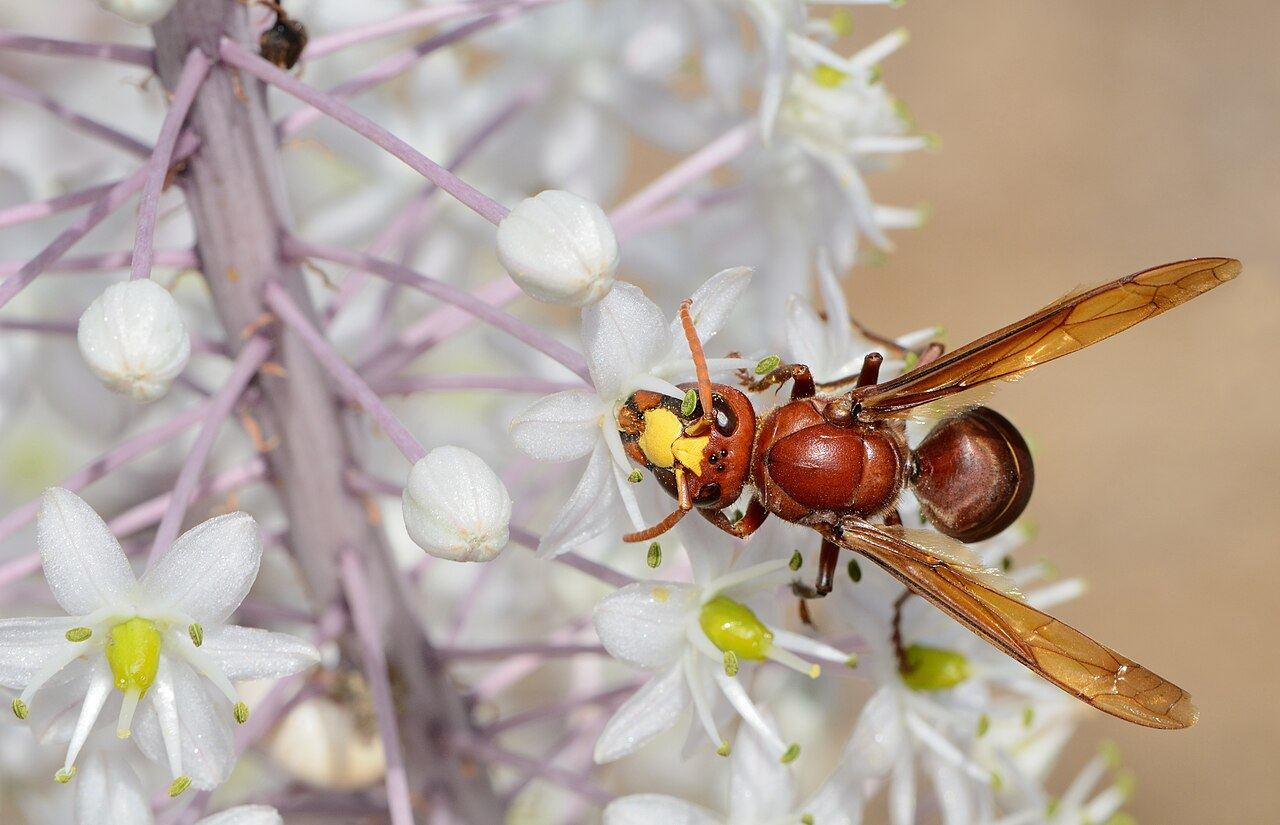
The Oriental hornet (Vespa orientalis, il-bagħal taż-żunżan). Hornets hunt bees at the hive entrance and put colonies under so much stress that bees may abandon their hives.
Invasive bees and disease. In 2024 a colony of the red dwarf honey bee (Apis florea), an Asian species, was found near the Birżebbuġa Freeport, the first record in Europe. It was destroyed, but more could arrive with imports and bring new diseases. The varroa mite remains a constant problem for beekeepers.
Loss of wild flowers. Clearing roadside and field-edge vegetation and spraying herbicides removes the flowers bees feed on.
Bee or hornet? Identify first
The Maltese honey bee is small and dark, with a dark brown or black face, a mostly dark body with faint bands, and short legs often loaded with pollen.
The Oriental hornet is much bigger, with a yellowish face, a reddish-brown body with bold yellow bands, and long legs.
A cluster of bees in an unexpected place may be a colony that fled hornets. It is not a hornet nest. Never spray or destroy insects until you are sure what they are. Keep your distance, take a photo or video if it is safe, and ask a beekeeper or the Foundation for advice.
Dealing with Oriental hornets
Nest removal: the Foundation has partnered with a professional pest controller for safe hornet nest removal anywhere in Malta and Gozo. Request it through the form on maltesehoneybee.org. It is a paid service, and part of each fee supports the Foundation.
Hornet traps: the Foundation sells purpose-built hornet trap cages for gardens, roofs and balconies (2026 price: €40 for members, €45 for others).
Learn more: the Foundation runs workshops on recognising and managing Oriental hornets.
How you can help
Leave wild flowers along rural paths and field edges, and plant thyme, rosemary, sage and oregano. Avoid pesticides and weedkillers.
Buy local honey from beekeepers who keep Maltese bees.
Never import or buy foreign bees or queens.
Support the Foundation for the Conservation of the Maltese Honey Bee: become a supporter (€10 a year), volunteer, or, if you keep bees, join its database of Maltese bee keepers.
Report anything unusual straight away, such as very small reddish bees building a single open comb on a branch, to the Environment and Resources Authority (ERA) and the Foundation.
Source: Foundation for the Conservation of the Maltese Honey Bee, maltesehoneybee.org.
Threats
Hybridisation with imported foreign bees; the Oriental hornet attacking hives; invasive bees such as the red dwarf honey bee and the diseases they carry; varroa mites; loss of wild flowers to clearing and herbicides.
How to help
Identify before you act: never spray a bee cluster. For Oriental hornet nests and traps, contact the Foundation for the Conservation of the Maltese Honey Bee. Plant thyme, rosemary and sage, leave wild flowers, avoid pesticides, buy local honey and never import foreign bees.
Watch
Unique Insect: The Maltese Honey Bee
Foundation for the Conservation of the Maltese Honey Bee
An 11-minute documentary on the Maltese honey bee (Apis mellifera ruttneri): its unique biodiversity, its long history on the islands, the challenges it faces and the national insect initiative. It includes interviews with Prof. David Mifsud and the tenor Joseph Calleja. This is the English version of the Maltese film.
Watch on YouTube ↗These videos are on YouTube. Nothing is loaded from YouTube until you press play. Videos are in English.
Text: Foundation for the Conservation of the Maltese Honey Bee. Edited by the Editorial Team.
Photo: Terry Caselli Photography, CC BY-SA 4.0.