What to visit
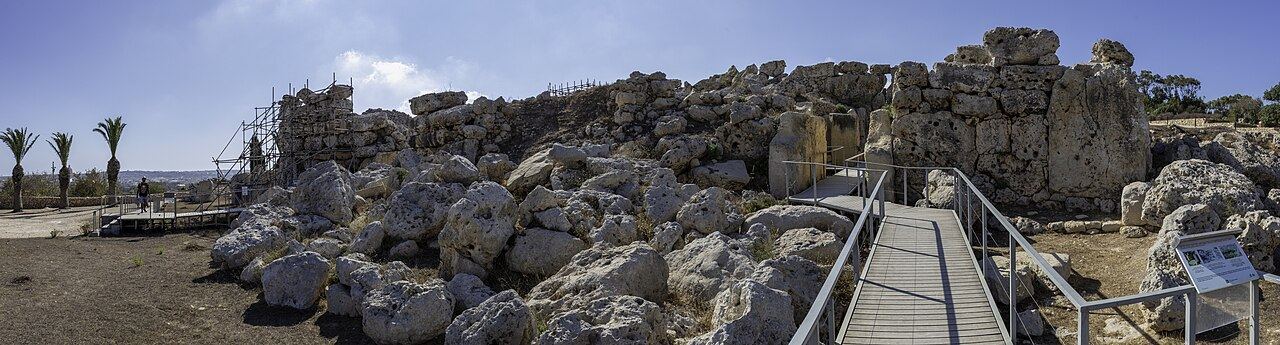
Ġgantija temples, Gozo
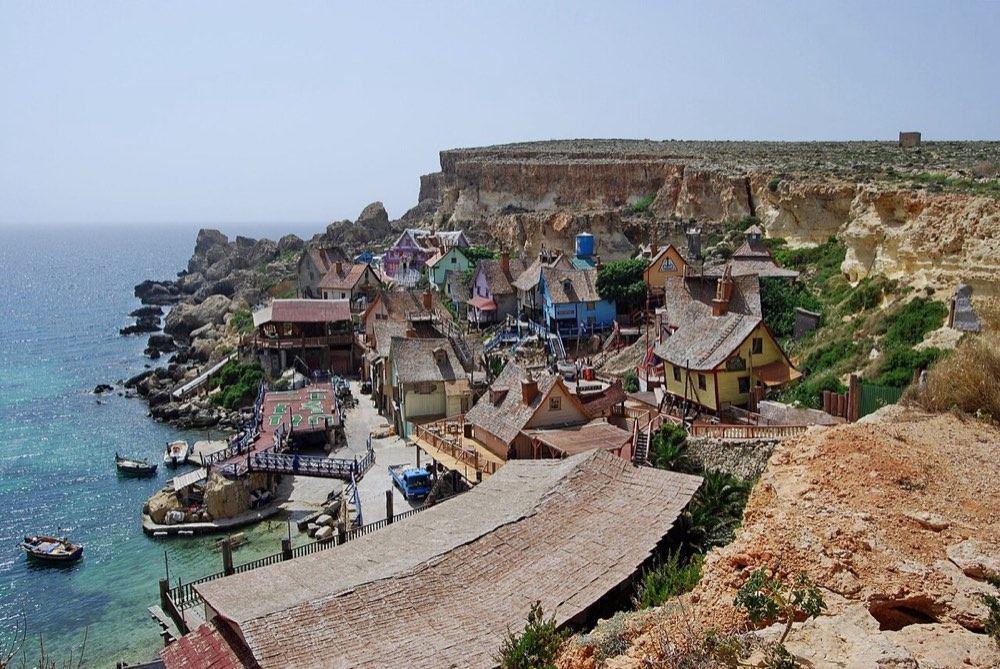
Popeye Village, Anchor Bay
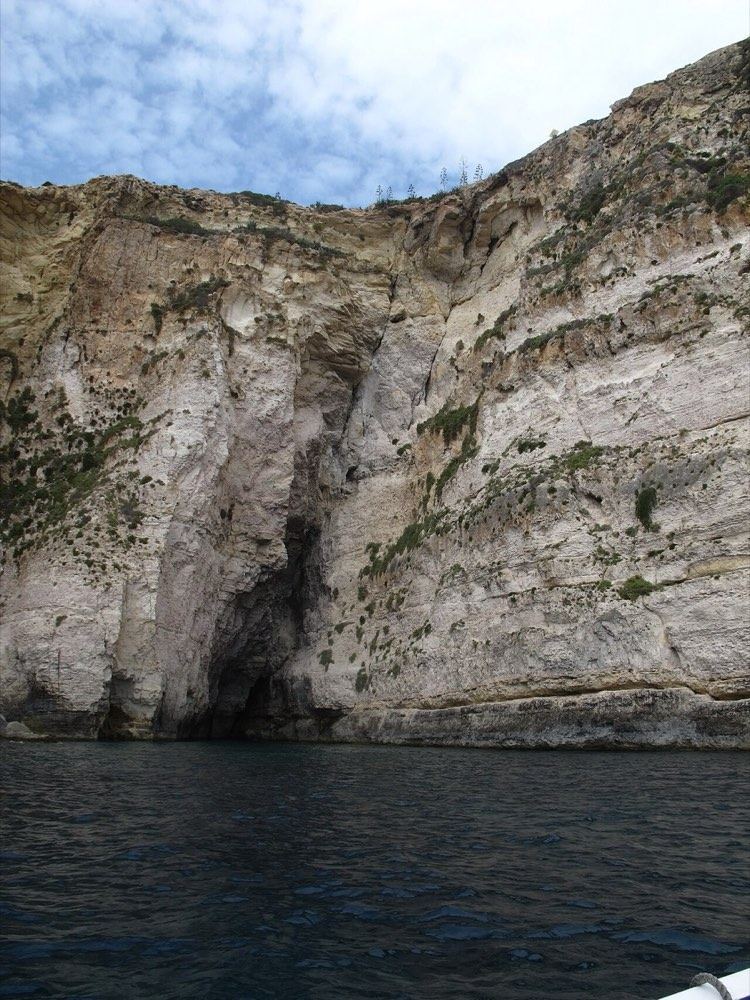
Blue Grotto
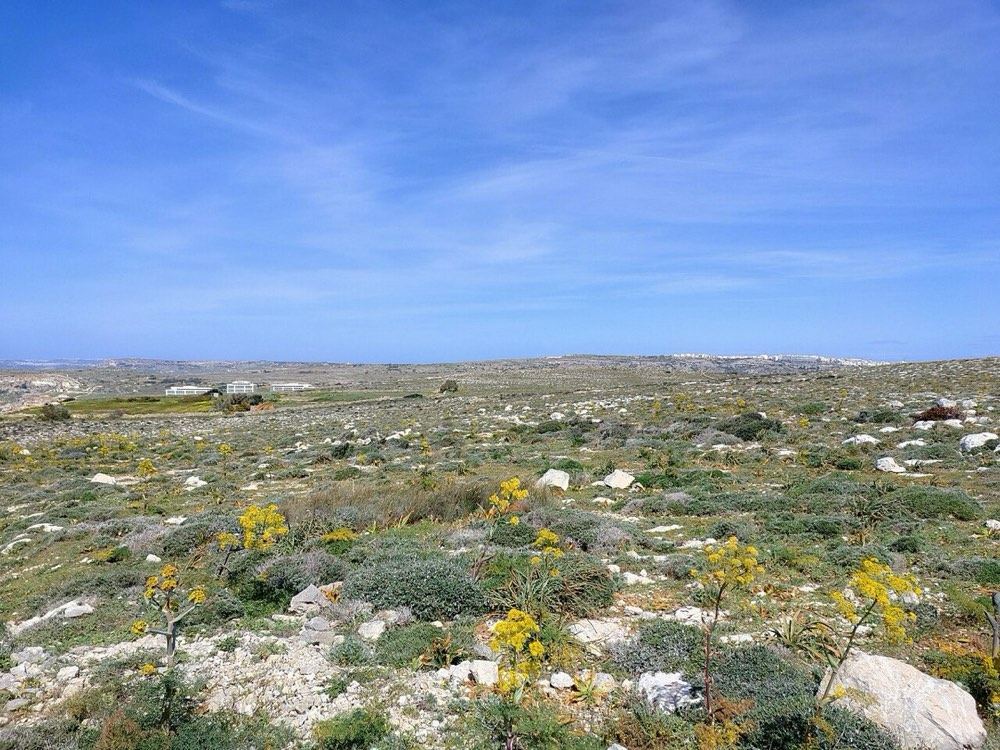
Garigue
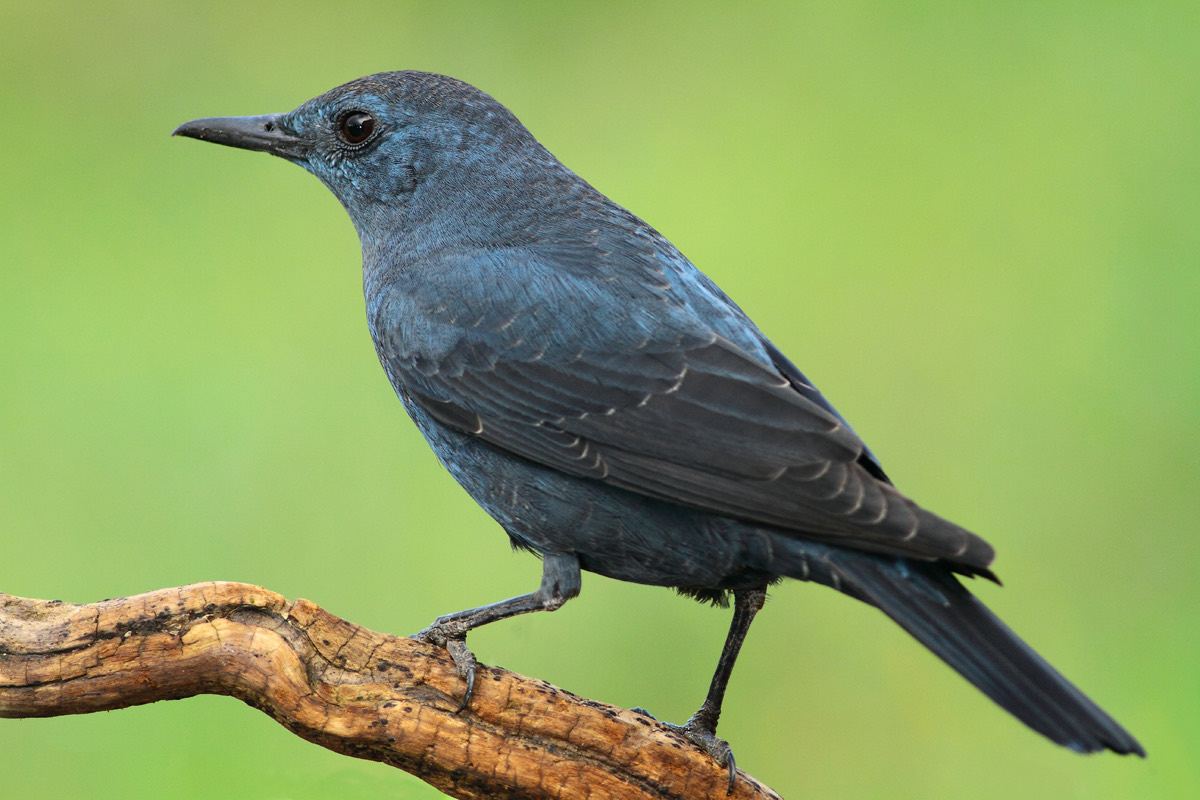
Blue Rock Thrush
Malta's national bird: a blue-grey thrush singing from cliffs, bastions and rooftops.
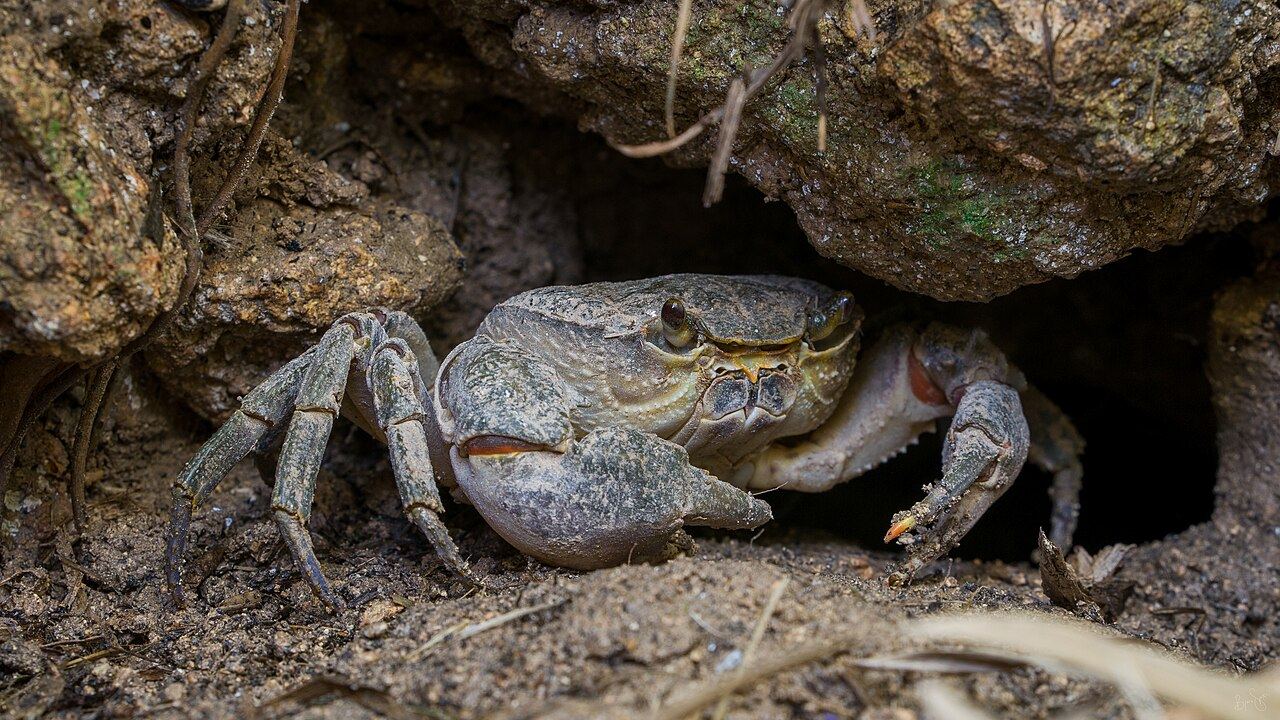
Maltese Freshwater Crab
A freshwater crab surviving in a handful of spring-fed valley streams.
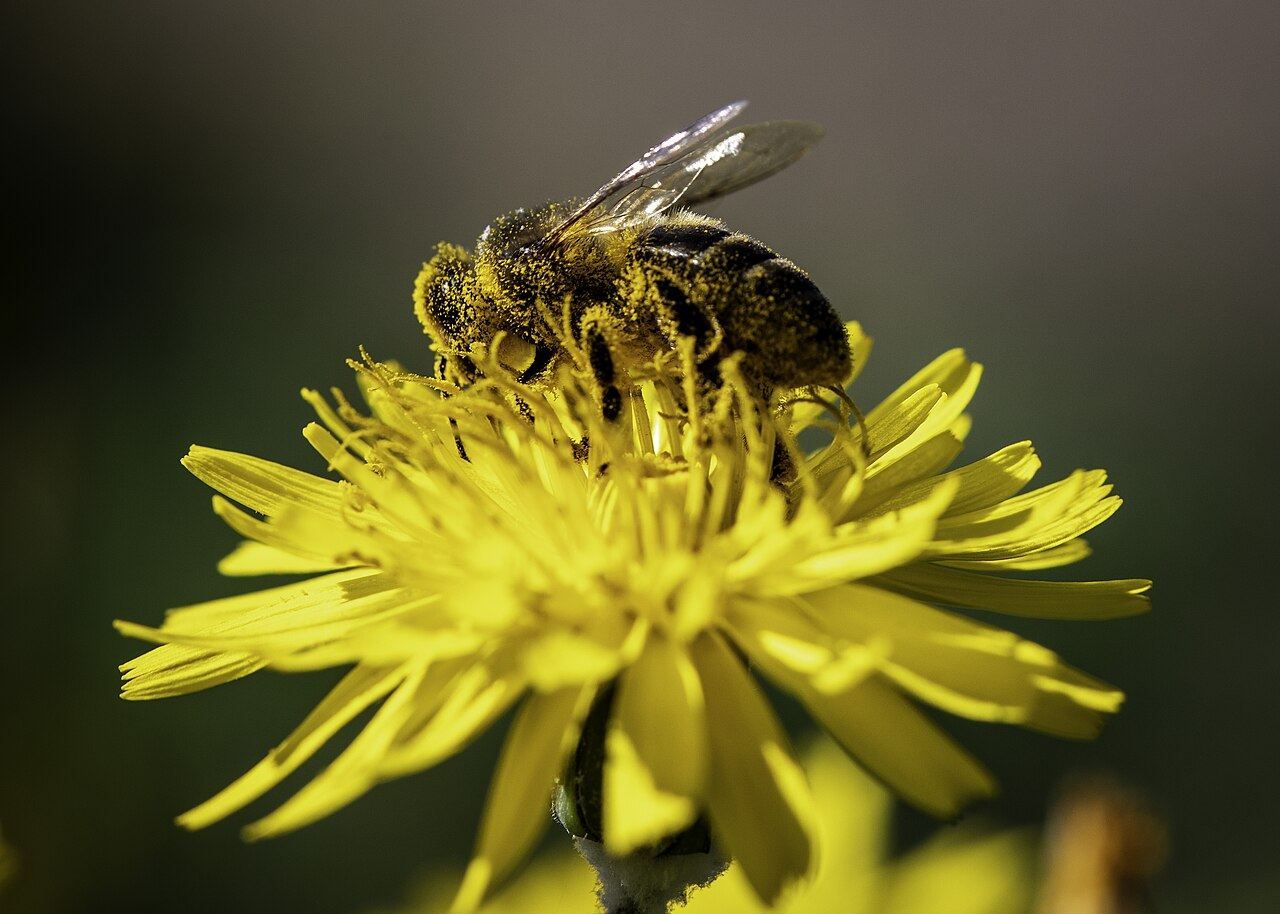
Maltese Honey Bee
Malta's national insect: a dark honey bee found only in the Maltese islands, protected by law and under pressure from imported bees and the Oriental hornet.
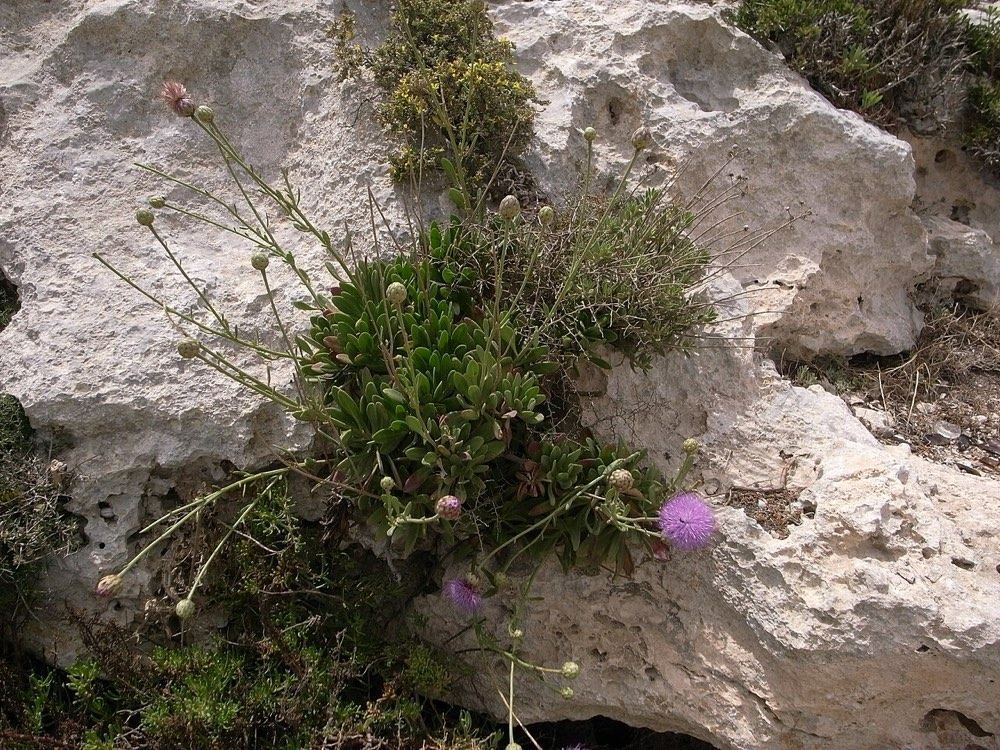
Maltese Rock-centaury
Malta's national plant, clinging to a few west-facing sea cliffs.
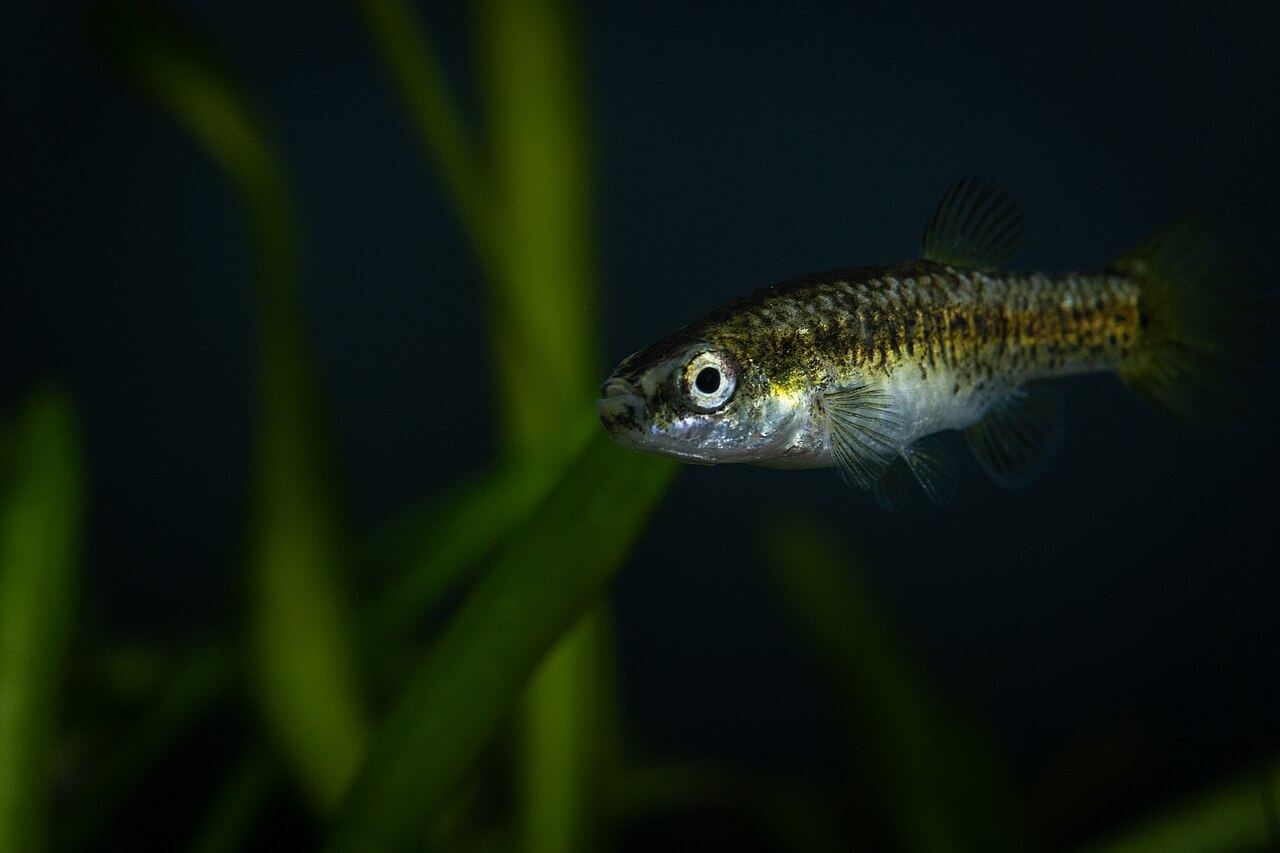
Mediterranean Killifish
A small fish of brackish coastal pools, once widespread and now found at only a few sites.
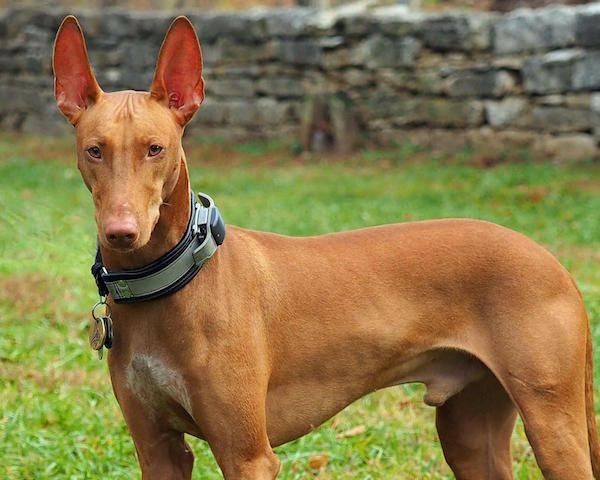
Rabbit Dog
The Kelb tal-Fenek—literally “rabbit dog”—is Malta’s traditional rabbit-hunting dog and is internationally known as the Pharaoh Hound. Its scientific name is not a Latin species name because it is a domestic dog breed; it belongs to the species Canis lupus familiaris.[wikipedia +1] It is a slender, short-haired, reddish-tan hound with large upright ears, an excellent sense of smell and strong hearing. Traditionally, it worked across Malta’s rocky countryside by locating rabbits and indicating their position to hunters. The breed is recognised internationally as the Pharaoh Hound, but “Kelb tal-Fenek” is the traditional Maltese name. It was designated Malta’s national hound in 1979.
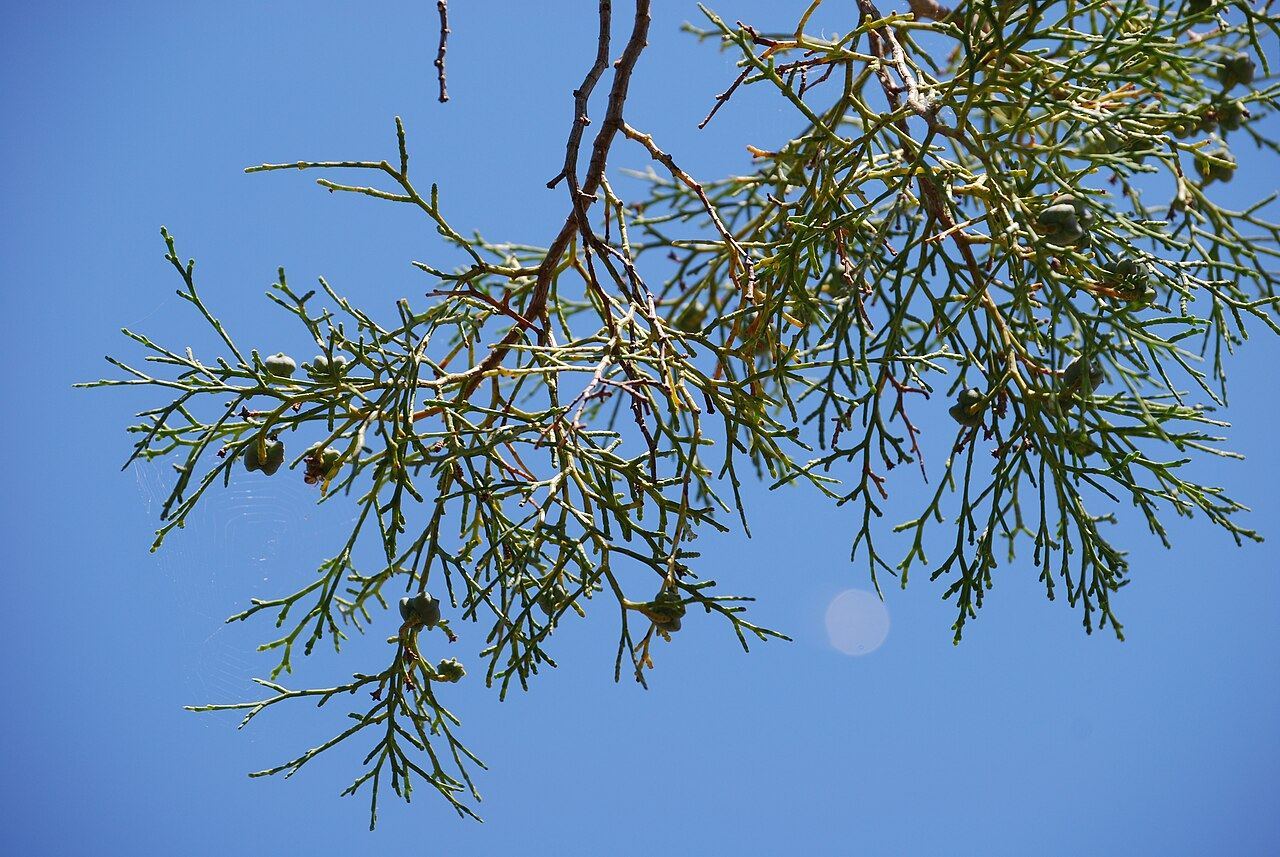
Sandarac Gum Tree
Malta's national tree, a slow-growing conifer surviving in a few wild stands.
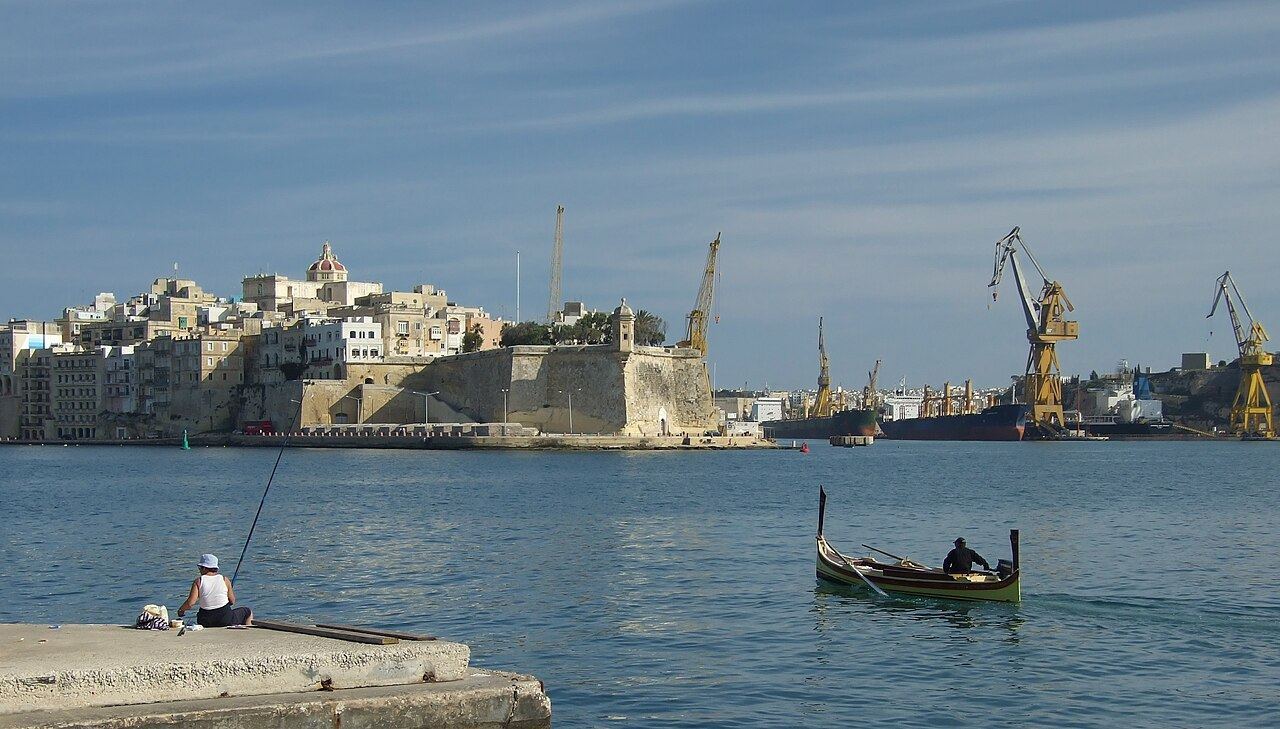
The Knights of Malta
The Order of St John rules Malta for 268 years, survives the Great Siege and builds Valletta.
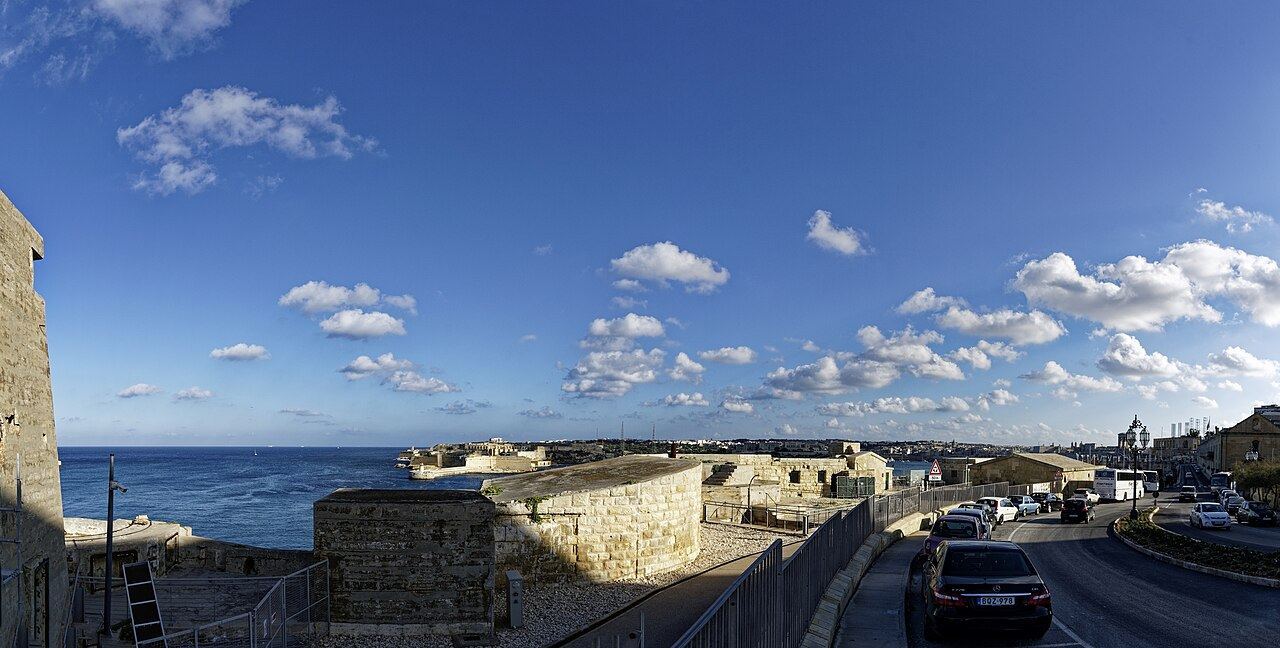
The Great Siege of Malta
Almost four months of fighting that decided who would control the central Mediterranean.
Small island. Enormous story.
The Maltese archipelago lies in the heart of the central Mediterranean, roughly midway between Sicily and the North African coast. Though it covers just 316 km² in total, it is made up of three main inhabited islands — Malta, Gozo and Comino — along with a number of smaller uninhabited islets. Within this compact space, the islands hold more than 7,000 years of human history, from megalithic temples older than the pyramids to a capital city shaped by the Knights of St John.
Positioned at the crossroads of Europe and North Africa, Malta has been shaped by Phoenicians, Romans, Arabs, Normans, the Order of St John, the French and the British, yet the Maltese have always kept a distinct identity of their own. This is a story of valour — of islanders who defended their home through sieges and war — and of a people known for their warmth, resilience and heart of gold.
Only in Malta.
All species →Il-Merill
Il-Qabru
In-naħla Maltija
Il-Widnet il-Baħar
Il-Bużaqq
Il-Kelb tal-Fenek