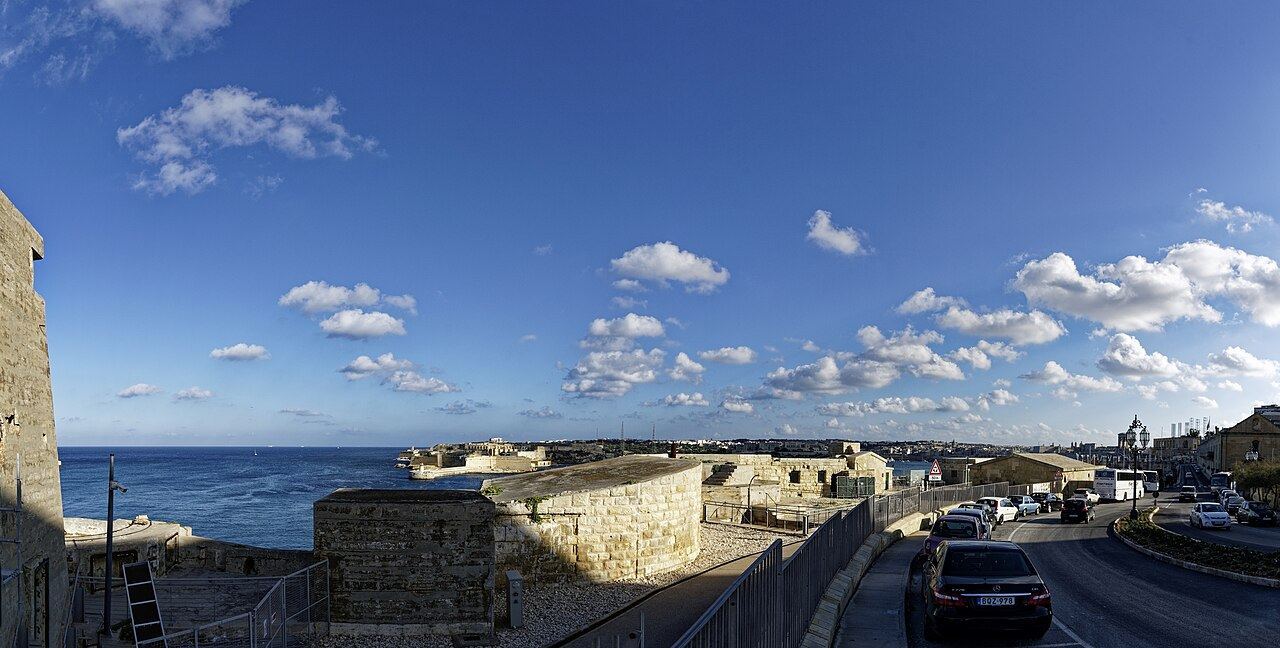
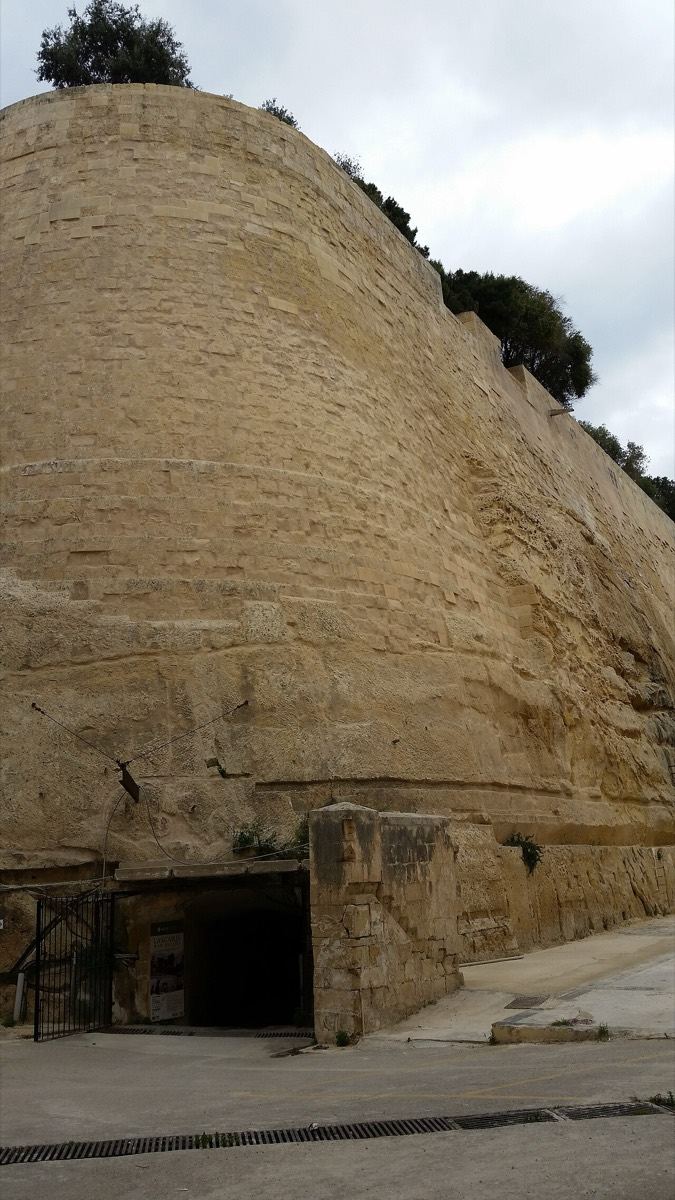
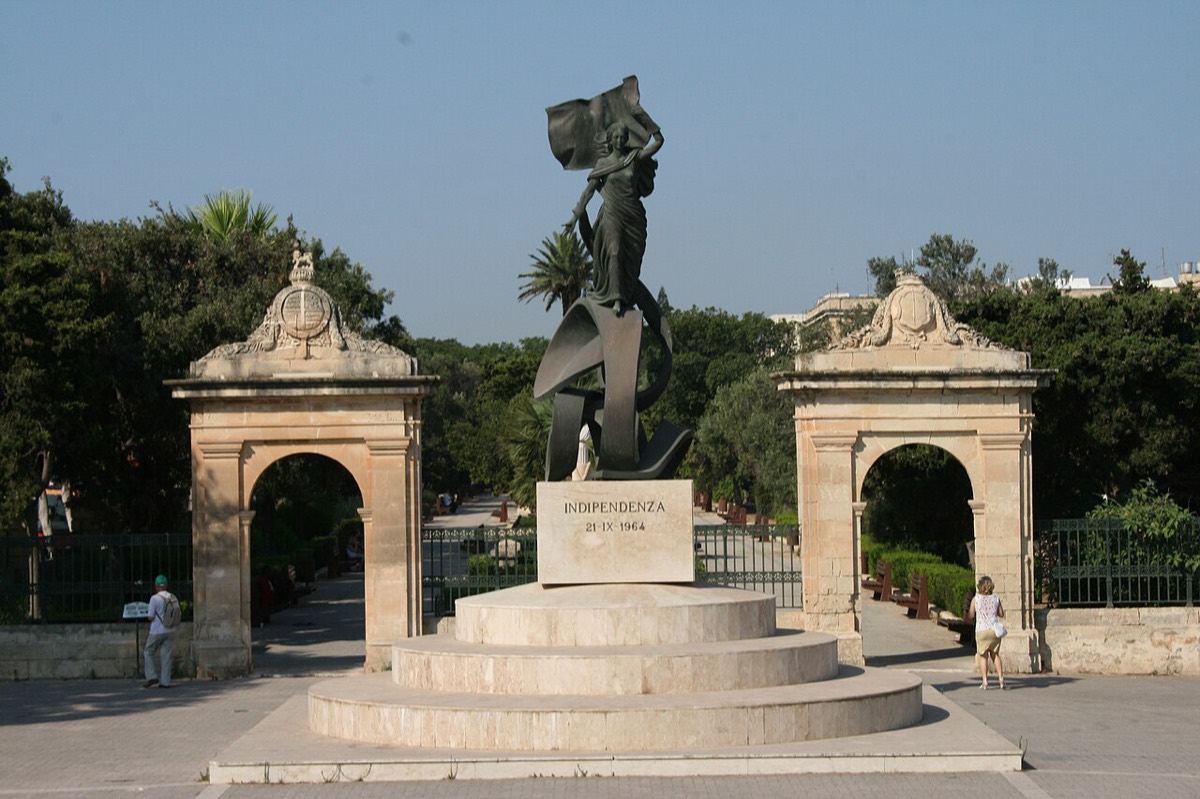
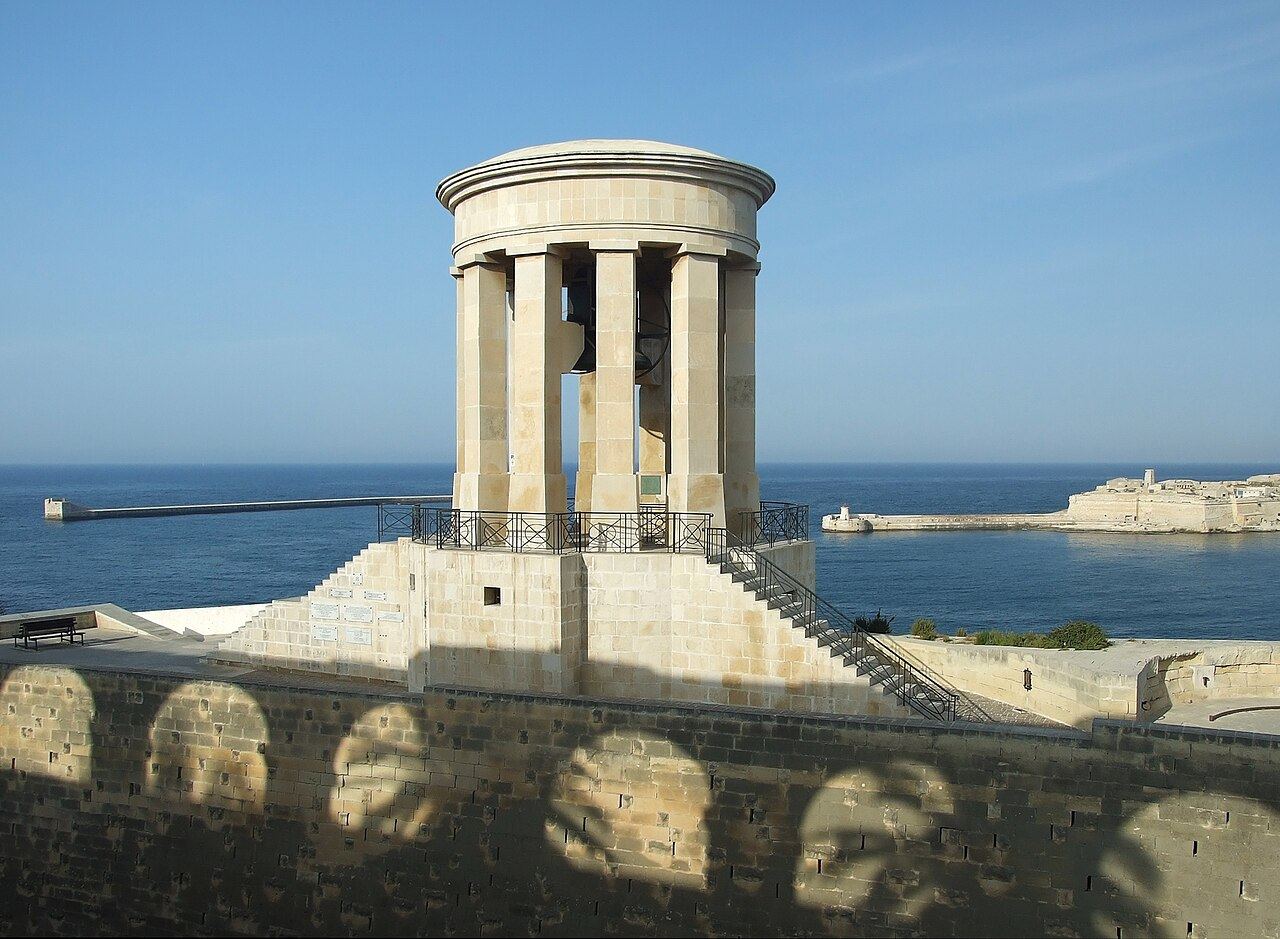
History

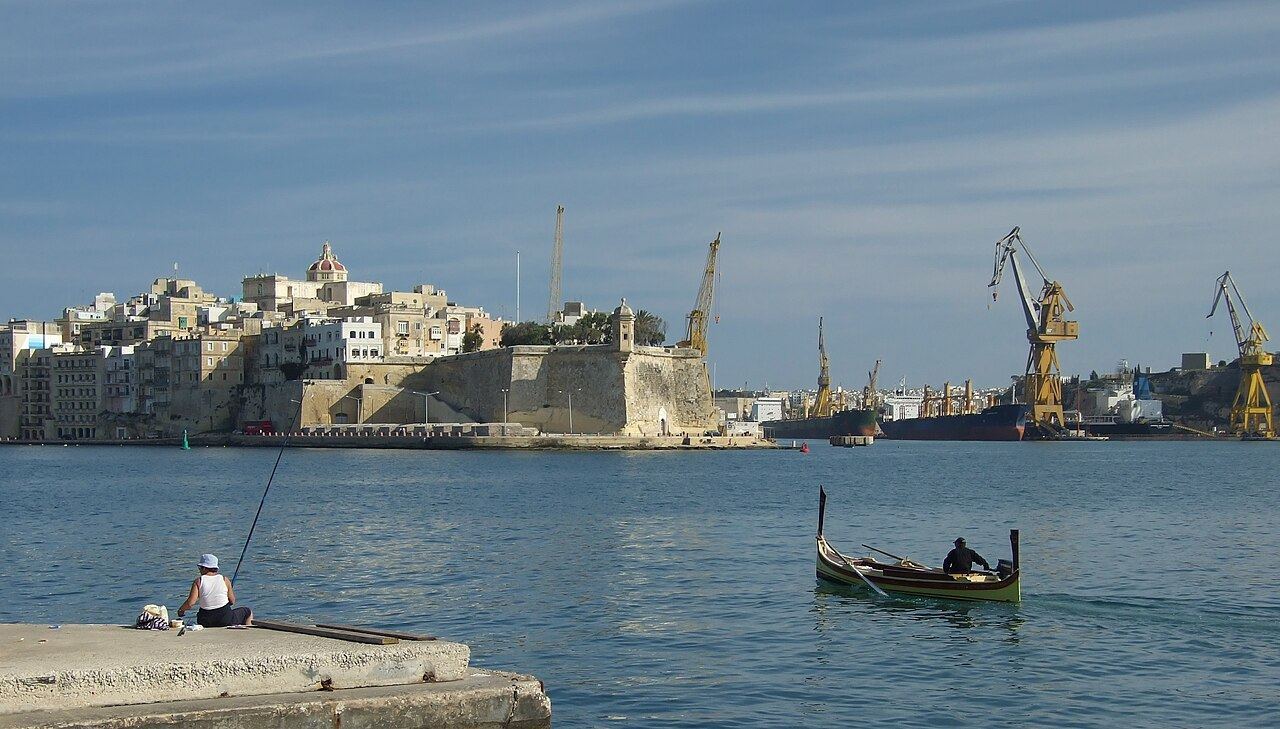
7,000 years on one island

From temple builders older than the pyramids to the Knights, the Great Siege and an independent republic.

Explore the timeline →
Feature: Knights of St John / Valletta
1530 – 1798

The Knights of Malta

The Order of St John rules Malta for 268 years, survives the Great Siege and builds Valletta.

Watch

Malta: The Ancient Island That Time Forgot

TRUE GLOBE

A broad travel-history documentary covering the temples, Phoenicians, Romans, Arabs, the Knights of St John, British influence, Valletta and the Great Siege.

Watch on YouTube ↗

More videos

  • The many secrets of Malta ↗ · Cambridge Development & Alumni Relations
    A discussion of Malta's Neolithic farmers, temple culture, and the Phoenician and Roman periods.

These videos are on YouTube. Nothing is loaded from YouTube until you press play. Videos are in English.

Stories of the Maltese people

The first Maltese, and how Maltese culture endured

From the first farmers and cave dwellers to a living language and traditions.

The first settlers

The first people reached Malta from Sicily about 8,500 years ago, by boat, bringing seed, animals and pottery. They were farmers, and they began clearing and working the land. Archaeologists name this first phase of settlement Latnija.
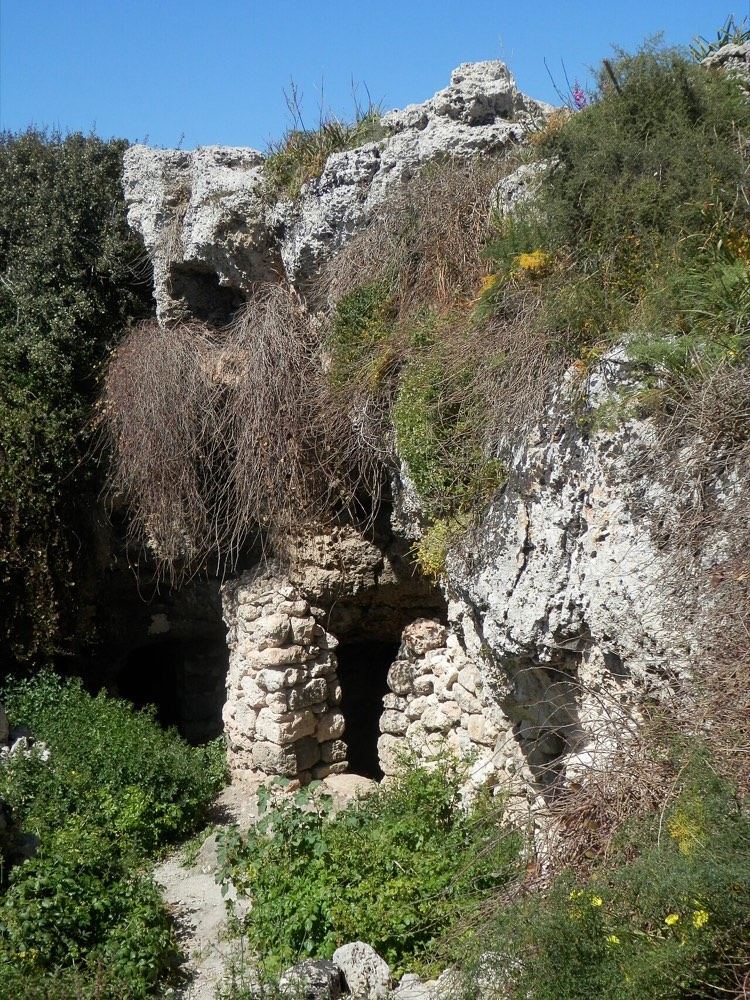
Rock-cut cave dwellings at Għar il-Kbir, Dingli
Photo: Gonzo Gooner, CC BY 3.0

Living in caves

Early islanders sheltered in natural caves and rock overhangs. At Għar il-Kbir near Dingli, families were still living in the caves in the 1800s, a reminder of how long cave dwelling lasted on the island.

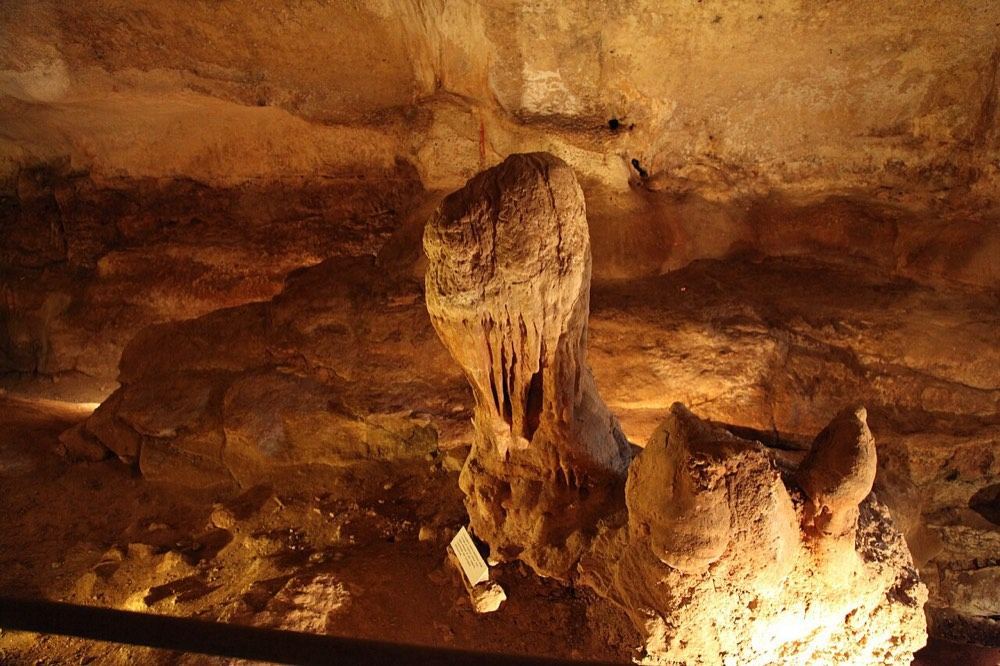
Stalagmites inside the Għar Dalam cave at Birżebbuġa
Photo: Frank Vincentz, CC BY-SA 3.0

Għar Dalam

Għar Dalam, near Birżebbuġa, is a cave whose layers hold the bones of animals that lived here long before people did, and also evidence of the first human settlement. Heritage Malta runs it as a museum and says it holds more than 160,000 years of record.

A language and culture that endured

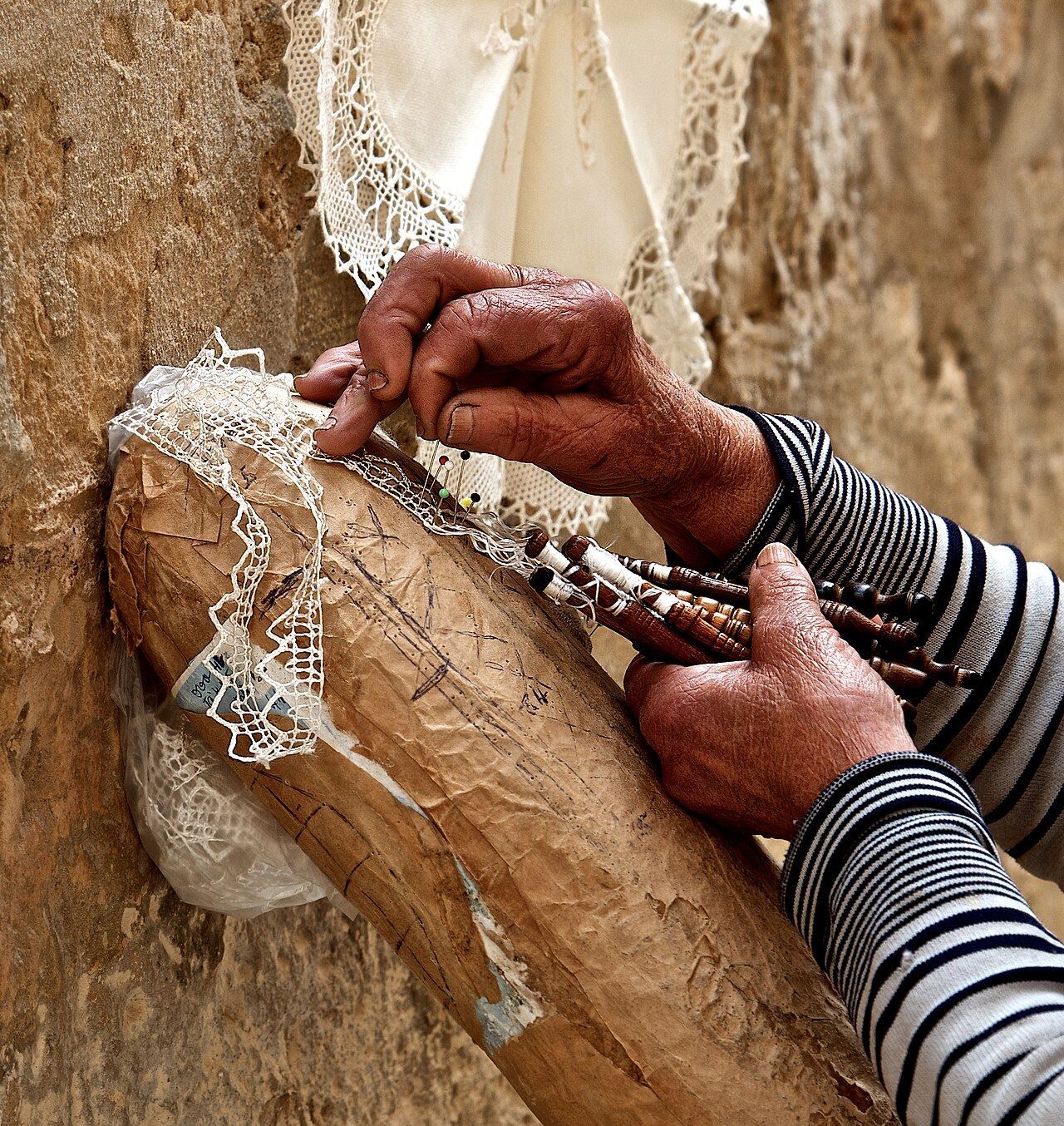
Phoenicians, Romans, Arabs, Normans, Knights and the British all ruled Malta, and each left a mark. Yet Maltese remained the language of the people. It descends from Arabic, with words from Italian, Sicilian and English, and is the only Semitic language written in the Latin alphabet. Festa and ftira are now on UNESCO's list of intangible cultural heritage, and show how daily culture carried on.

Claims you may come across

Some online videos argue that Malta's old buildings and megalithic sites are far older or stranger than archaeologists say, and that its history was "rewritten". These are claims, not established findings: the geological and archaeological evidence does not support them.

Claim

180 year-old photographs of "The Island of The Giants" (Malta) · Jarid Boosters (YouTube, 2026)

Uses early photographs of Malta to argue that its fortifications and ruins could not have been built as history records, and that the Knights "rebuilt" the island and rewrote its story.

Watch the video on YouTube ↗
What the evidence shows

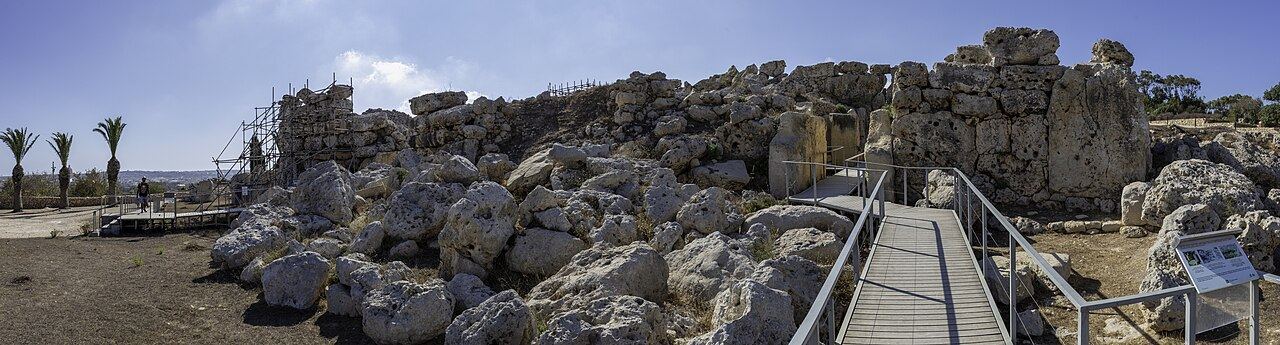
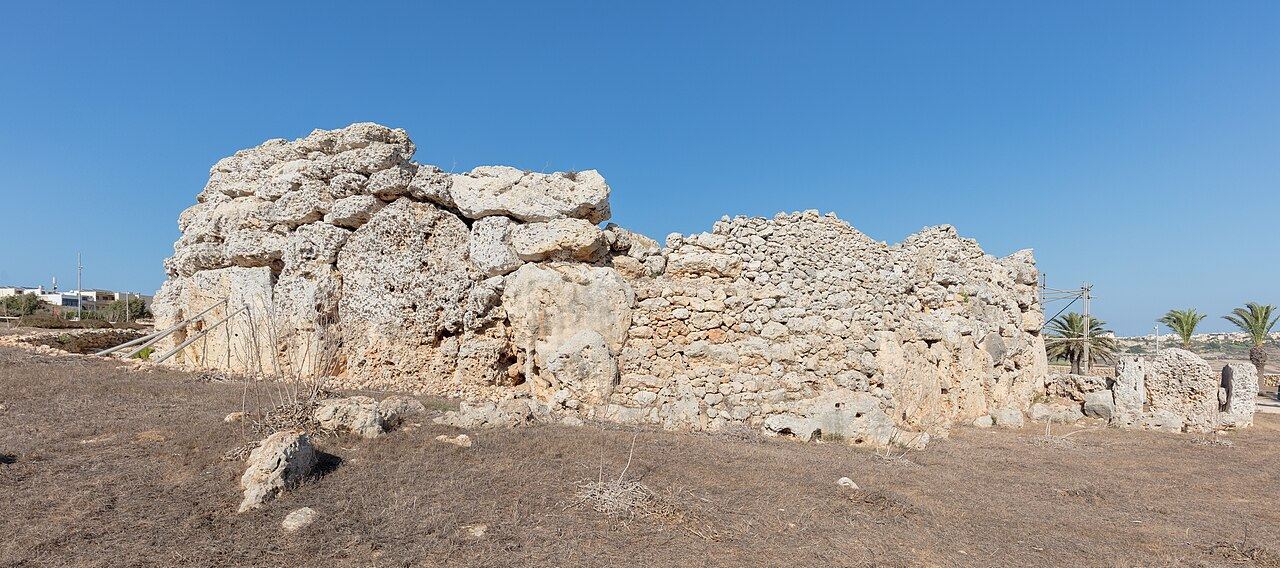
The temples are built from Malta's own limestone, and radiocarbon dating places them between about 3600 and 2500 BC. The legend that giants raised Ġgantija gave the site its name, but archaeologists explain the temples as the work of farming communities moving the stone blocks with simple tools.

The photographs the video uses are real: some of the earliest ever taken in Malta, by Calvert Richard Jones in 1846. See them on the French and British Malta page.

Ġgantija Archaeological Park (Heritage Malta) ↗

News and other content on this site are compiled from the sources cited on each item and summarised in our own words. We do not claim the original reporting or research as our own: follow the source link for the full original. Information may be incomplete or out of date, so check with the source or the authorities before relying on it.

© 2026 Today.mt. All rights reserved. Photographs and other media remain the property of their owners and are used under the licences credited on the Photo credits page. Names and quotations belong to their respective sources. Photo credits

No accounts, no tracking. Photos and some content are placeholders for internal review.