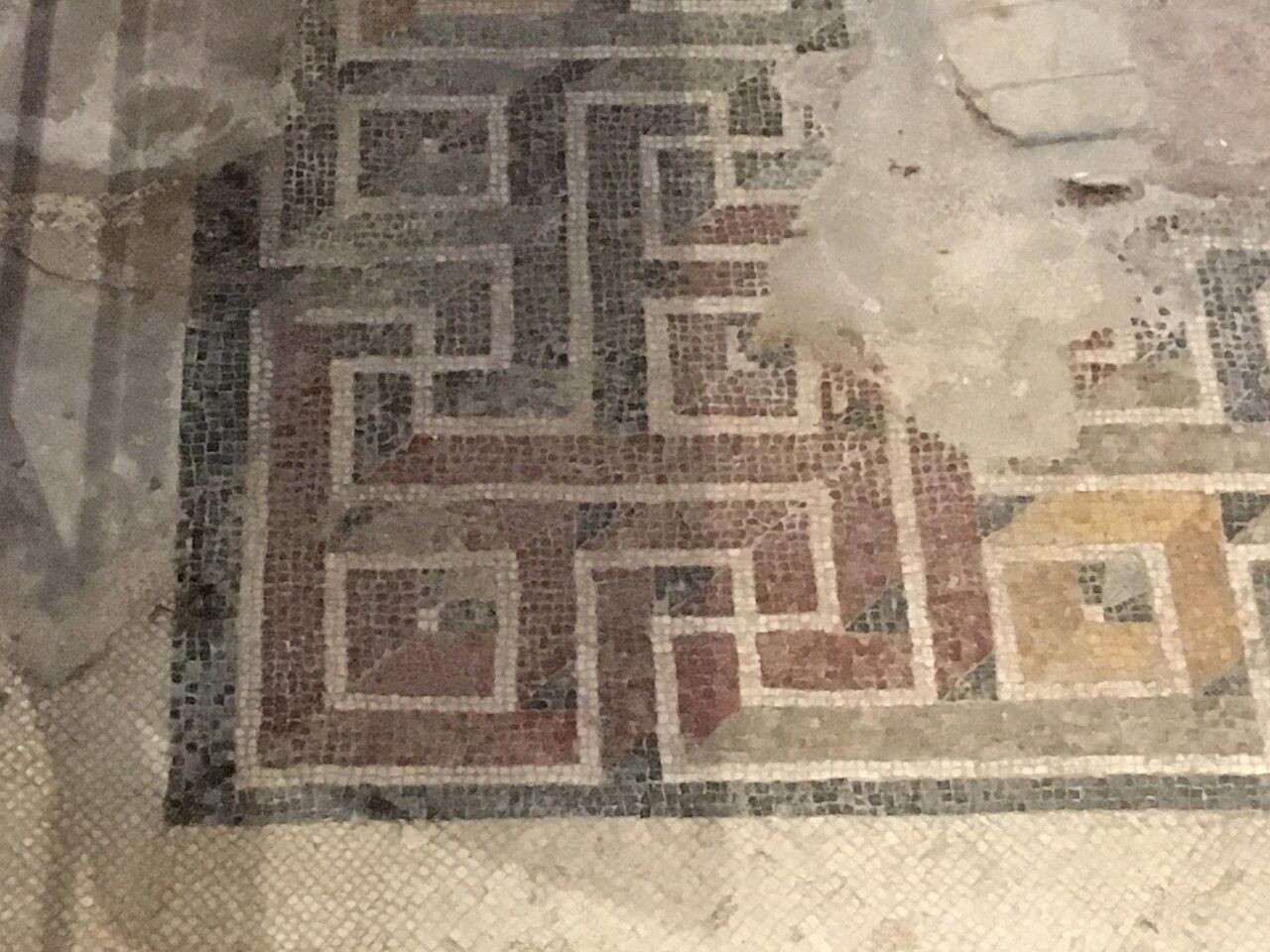
Sea traders, then Rome: Malta becomes a harbour on the great Mediterranean routes.
Key dates
From around 800 BC to AD 535, Malta transitioned from Phoenician seafaring to Roman imperial rule, becoming a strategic Mediterranean harbour and, according to tradition, the place where Christianity first touched the islands.
Phoenician era (c. 800–218 BC)
Phoenician traders from the Levantine coast established settlements at Malta's natural harbours, particularly in what is now Valletta and the Three Cities areas. They used the islands as a staging post on Mediterranean trading routes.
Carthaginian control
After Phoenician independence, Malta fell under Carthaginian rule around 500 BC, remaining part of Carthage's western Mediterranean network.
Roman conquest and period (218 BC – AD 535)
During the Second Punic War, Rome captured Malta in 218 BC during a naval campaign against Carthage. Malta became a valued part of the Roman Empire, valued for its harbours and position.
Christianity and St Paul
Tradition holds that the Apostle Paul was shipwrecked on Malta in AD 60 while being transported to trial in Rome. He is said to have converted the islands to Christianity. A grotto near Valletta marks the traditional landing place. Whether Paul actually visited is debated by historians, but the tradition is deeply embedded in Maltese culture and the calendar (St Paul's Feast, 10 February).
Roman period culture
Under Roman rule, Malta enjoyed peace and prosperity. Remains of Roman roads, pottery, coins and inscriptions show integration into the wider Roman world. Trade flourished, particularly in grain and garum (fish sauce).
Decline
As Roman power waned in the 4th and 5th centuries, piracy increased in the Mediterranean. By around AD 535, Malta was contested between the declining Western Roman Empire and rising Byzantine Empire.
Watch
Malta: The Ancient Island That Time Forgot
TRUE GLOBE
A broad travel-history documentary covering the temples, Phoenicians, Romans, Arabs, the Knights of St John, British influence, Valletta and the Great Siege.
Watch on YouTube ↗More videos
- The many secrets of Malta ↗ · Cambridge Development & Alumni RelationsA discussion of Malta's Neolithic farmers, temple culture, and the Phoenician and Roman periods.
These videos are on YouTube. Nothing is loaded from YouTube until you press play. Videos are in English.
Photo: Justlettersandnumbers, CC BY-SA 4.0. All photo credits