Concerts, festivals, theatre and exhibitions from Maltese event listings, as of 5 October 2026. Dates and times can change, so check the listing before you go.
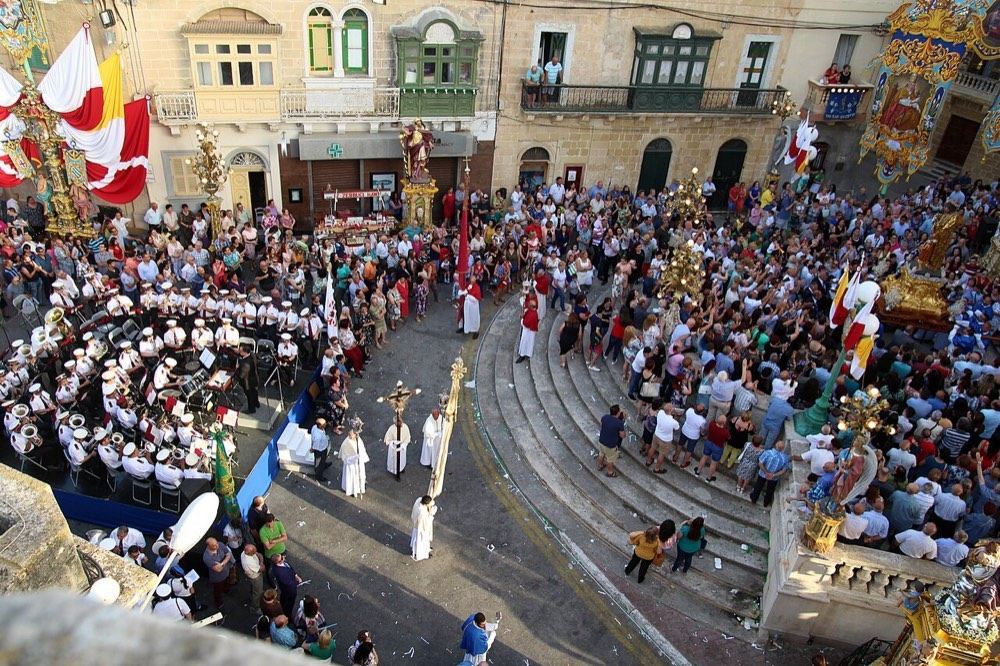
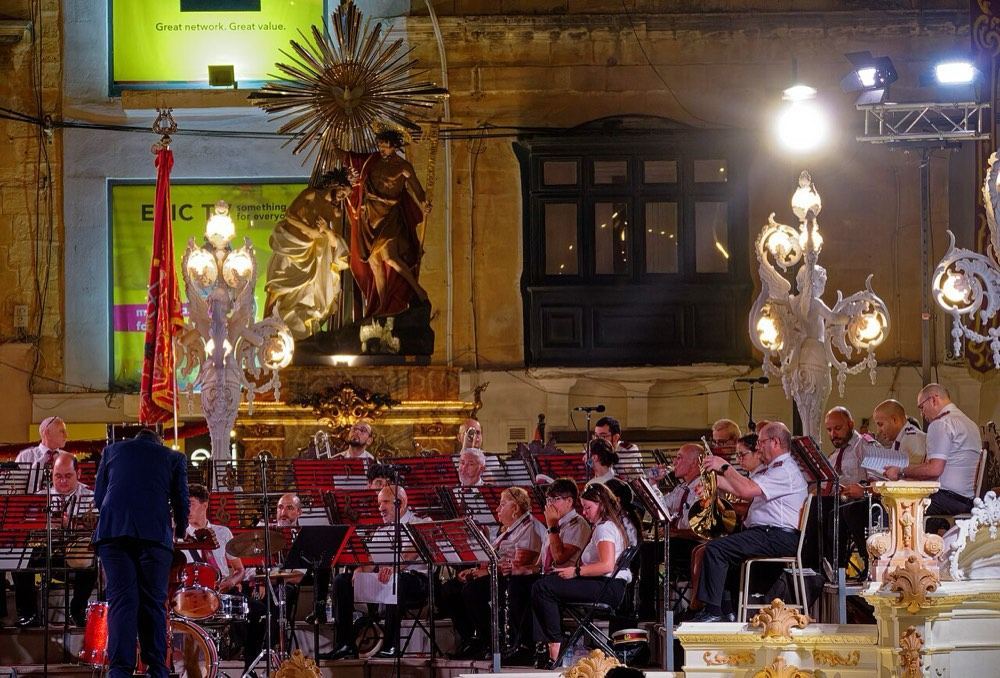
Each parish celebrates its patron saint with a procession, a band and fireworks. Festa in Malta is on UNESCO's list of intangible cultural heritage (2023).
Every parish honours its patron saint once a year, usually between May and September. The high point is the procession, when the statue is carried through streets hung with banners and lit by lamps, to the sound of brass bands and the firing of petards.
Most towns and villages have a band club, often with a rivalry between two of them. Bands play marches through the days of the festa, and the clubs stay at the centre of village social life for the rest of the year.
Ground and aerial fireworks, made by local factories, close the festa. Many villages also let off mortar rounds at dawn. Fireworks and festa-making is a craft passed from family to family.
Maltese food
Local dishes, with the produce and traditions behind them. Swipe along for the full list.
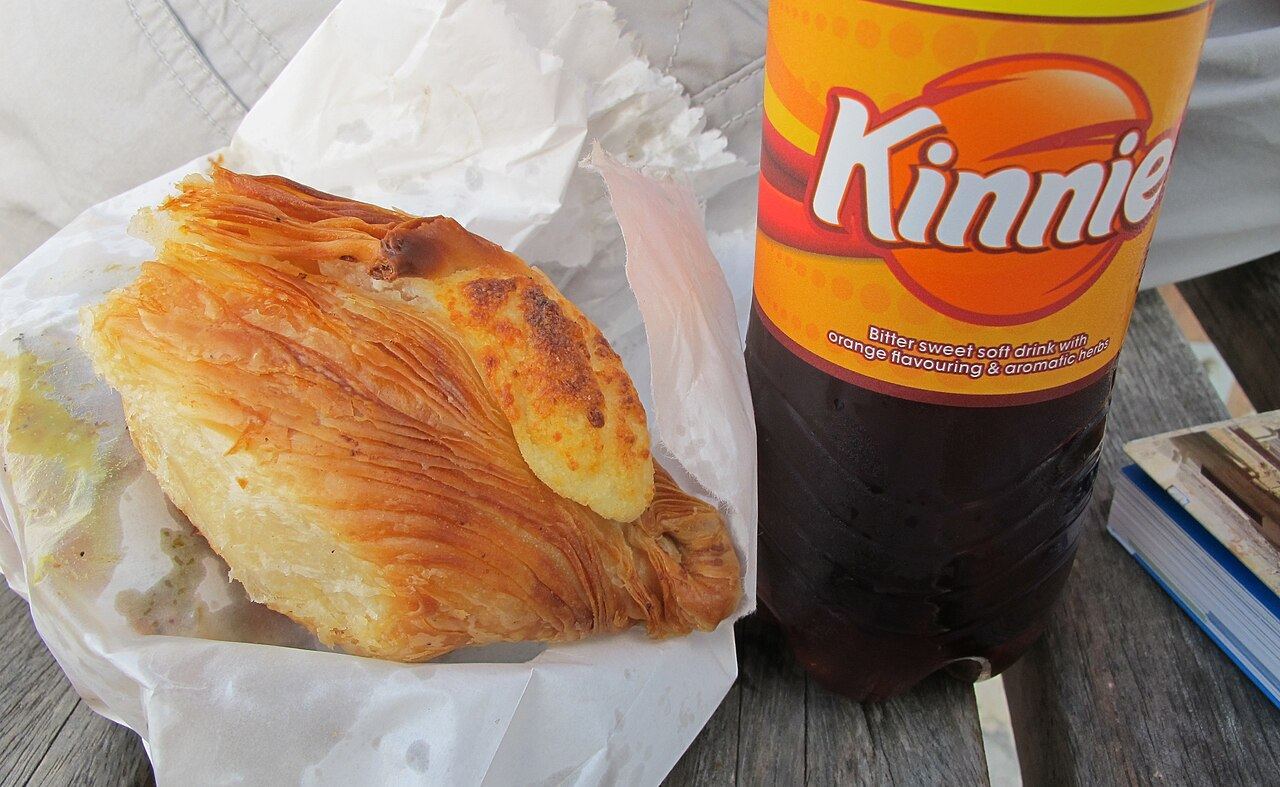
Flaky pastry parcels filled with ricotta or mushy peas, baked and sold hot from pastizzerias. Pastizzi are the island's most familiar snack and are usually eaten with a glass of Kinnie, the bitter-orange soft drink made in Malta.
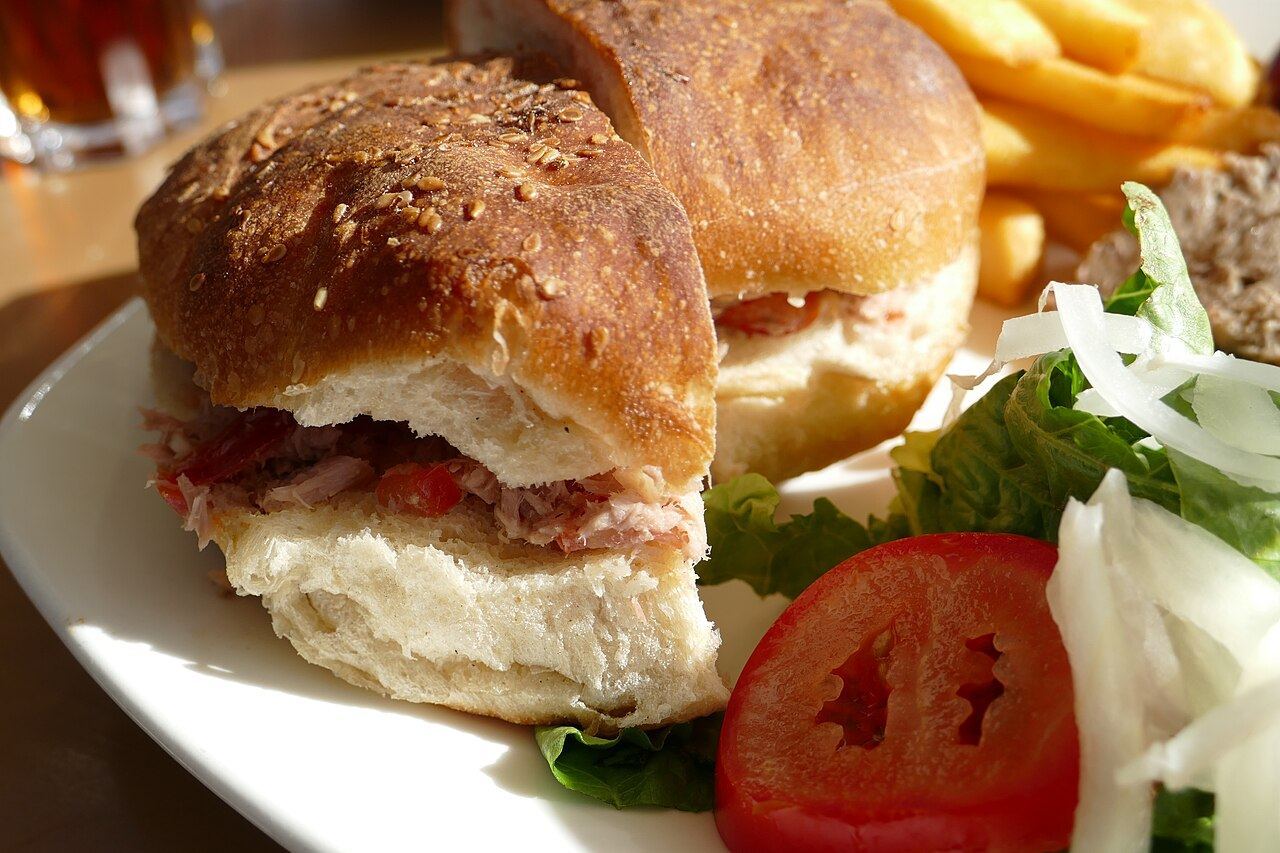
A ring of sourdough bread, baked in a wood-fired oven, split and filled with tuna, tomato, olives, capers and Maltese cheese. Ftira culinary art and tradition in Malta was inscribed on UNESCO's list of intangible cultural heritage in 2020.
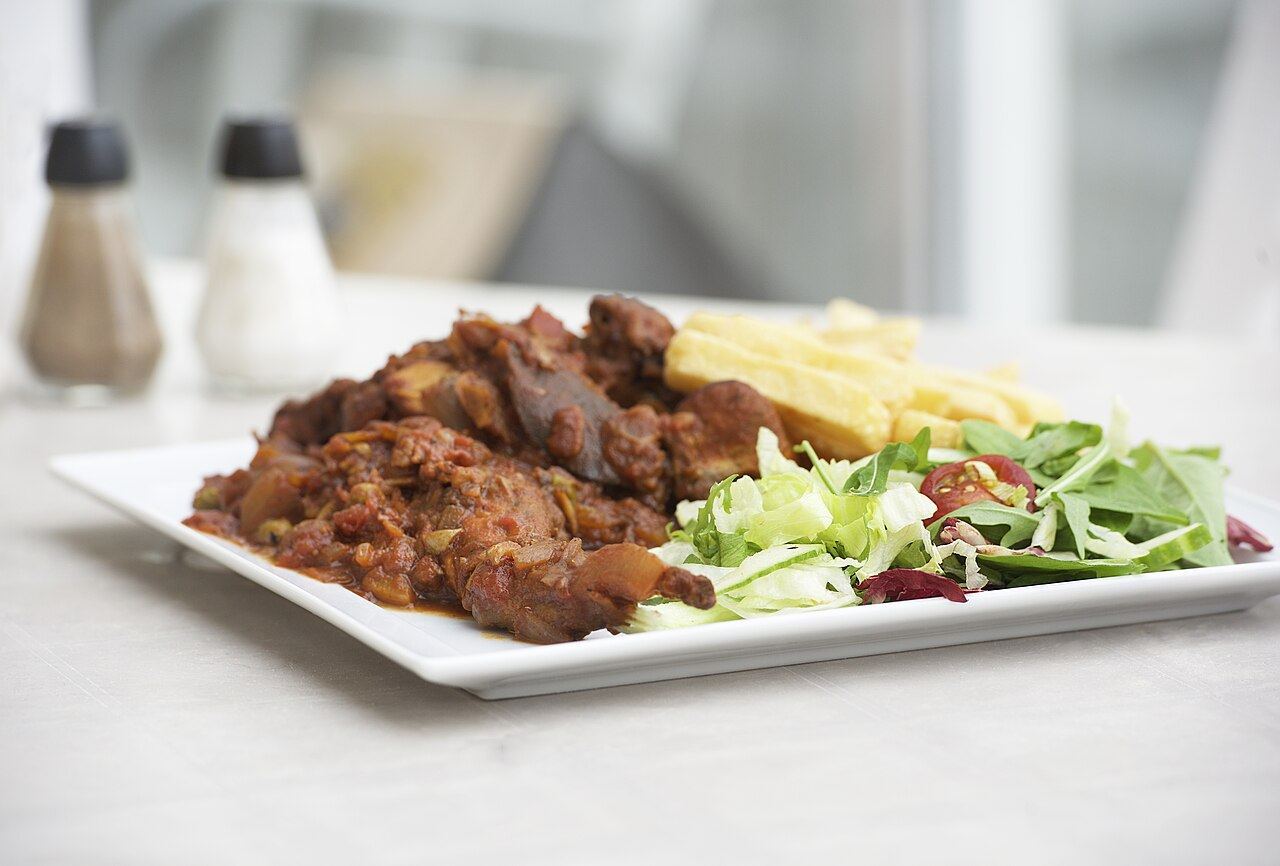
Rabbit stewed slowly in red wine, garlic and bay. It is widely regarded as the national dish, and a fenkata, a long rabbit meal with friends and family, is a traditional weekend gathering.
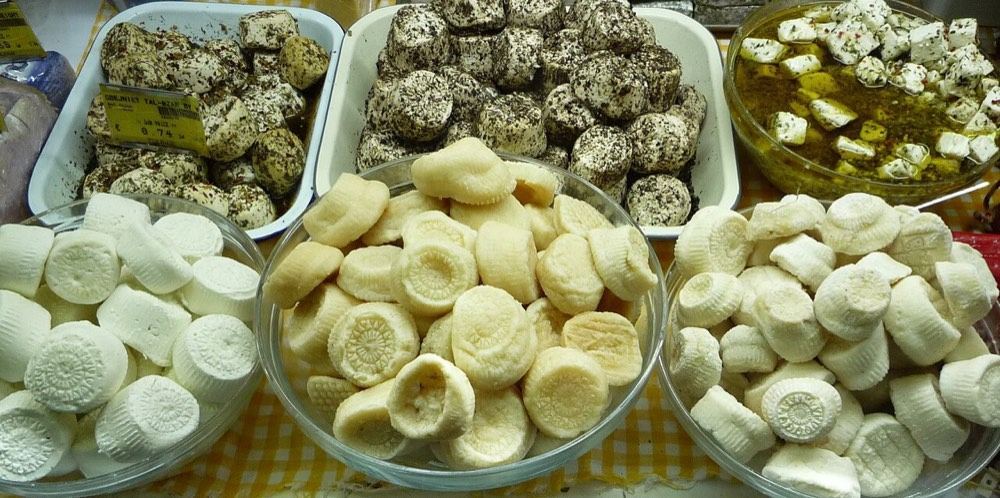
Small cheeselets made from sheep's or goat's milk, eaten fresh, dried in the sun, or peppered. They are a speciality of Gozo and are often served with bread, tomatoes and olive oil.
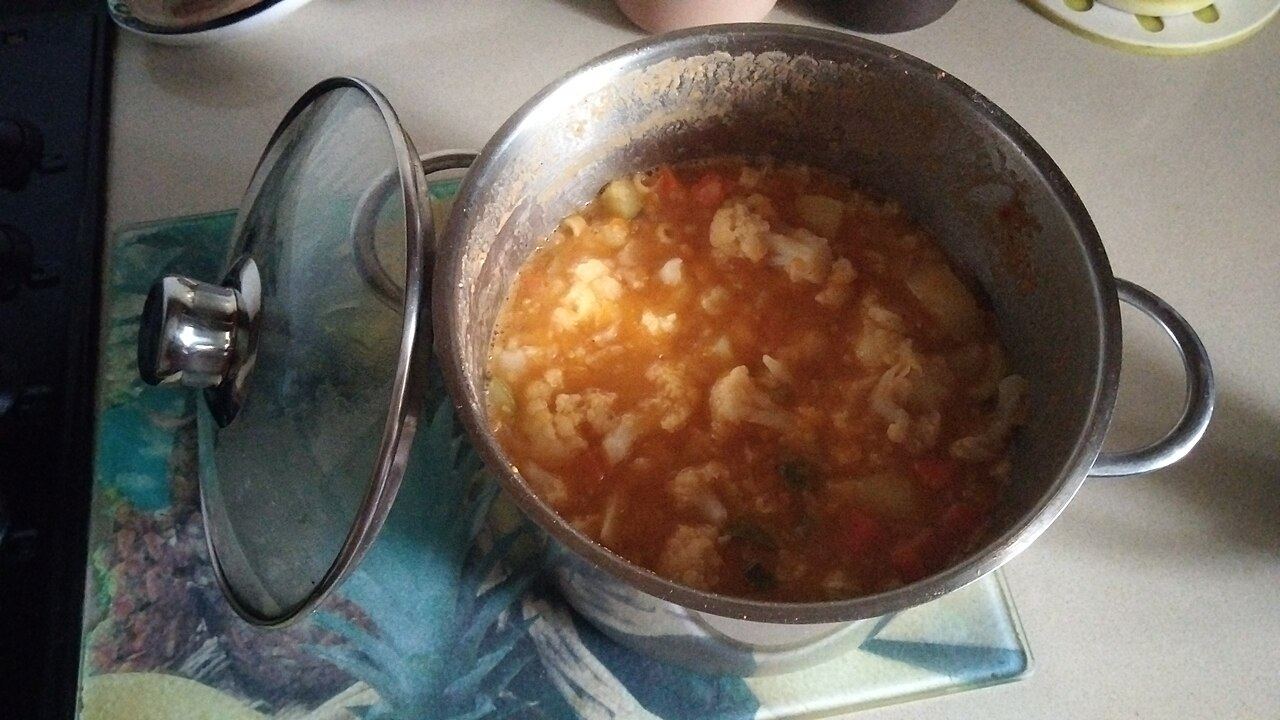
A thick vegetable soup made with seasonal produce, pasta and sometimes a little bacon or a piece of cheese. It reflects a cooking style that made good use of what the fields gave.
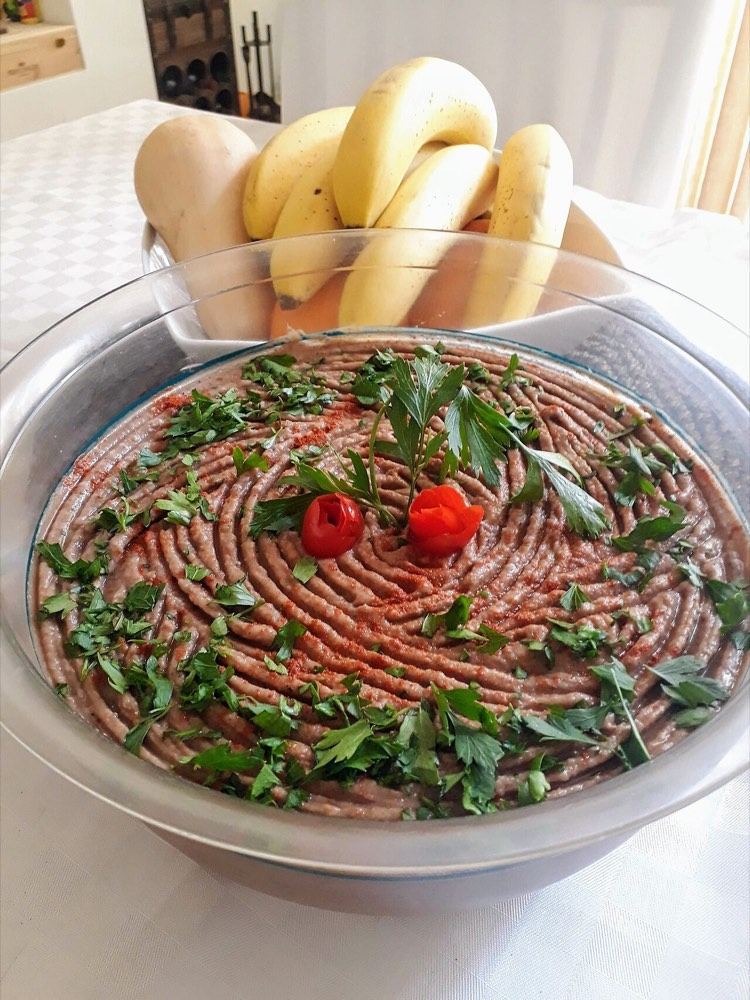
A dip of mashed broad beans, garlic, parsley and chilli, eaten with Maltese bread or galletti (water crackers). It is a classic of village tables and snack plates.
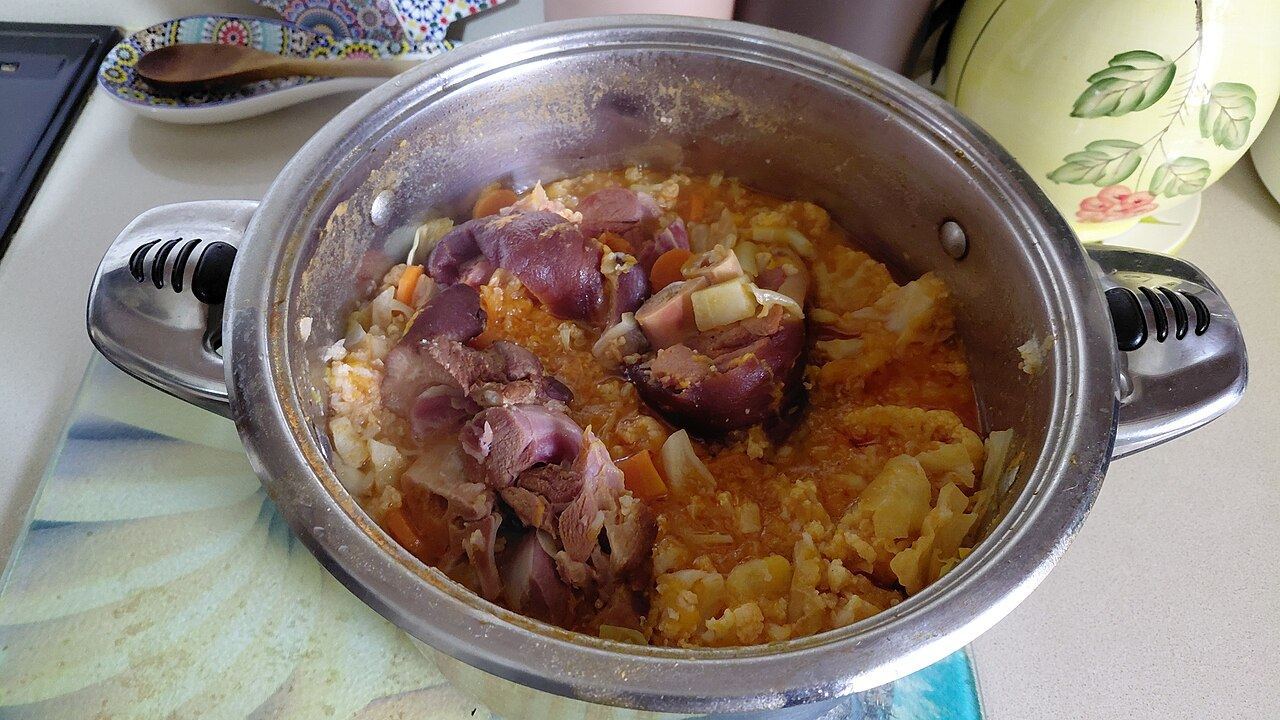
A winter pot of cabbage, pork and beans, eaten across Malta through the colder months.
Lampuki pie
Torta tal-lampuki is a pie made with dolphinfish (lampuki), caught in autumn, with cauliflower, spinach, olives and sultanas. The fishing season has its own folk calendar and the dish is eaten when the lampuki arrive.
Where to eat
Malta's restaurants range from village snack bars and fish restaurants on the quay to fine dining. The MICHELIN Guide covers Malta and lists its recommended and starred restaurants.
Visit Malta's gastronomy guide also covers everyday dining, wineries, craft beer and local delicacies. Check opening days before you go, since many smaller places close for a day or two a week.
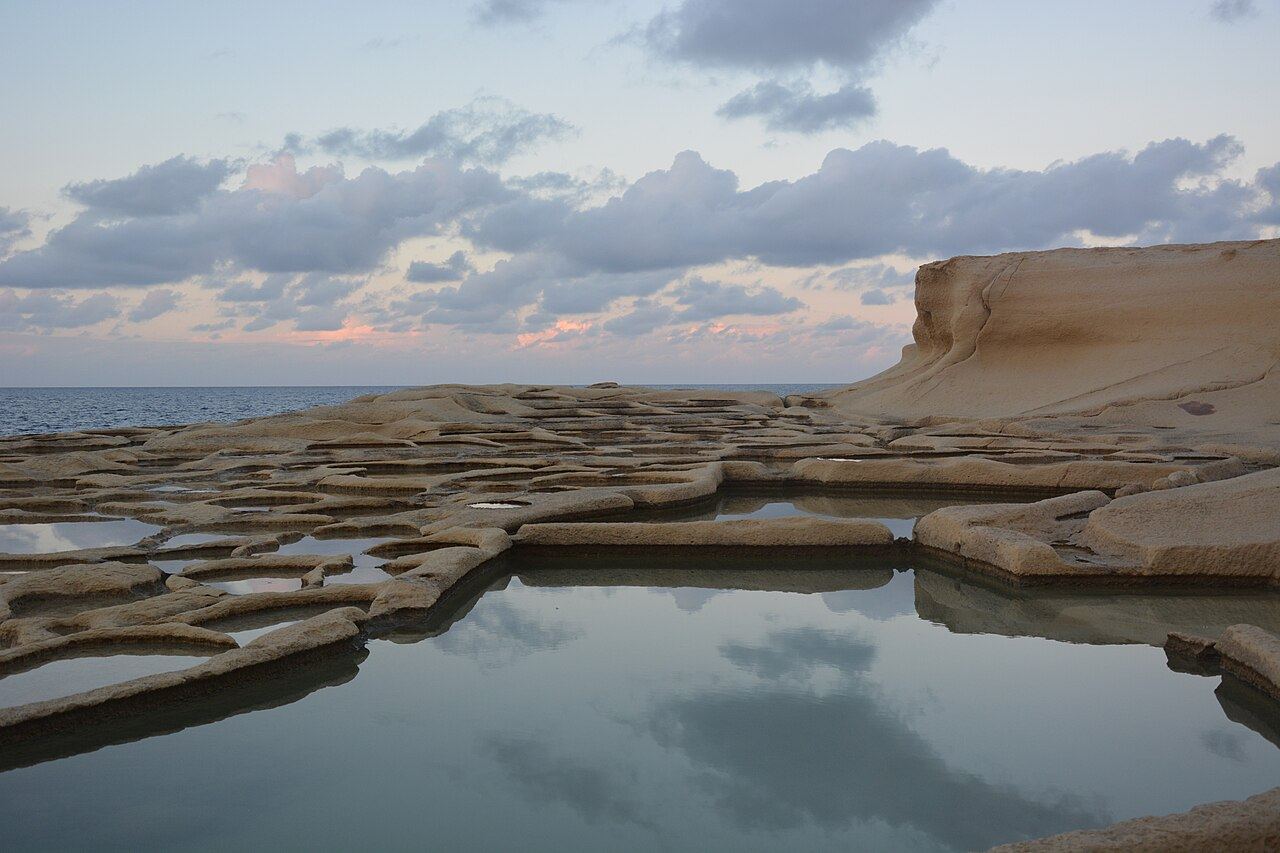
Gozo's salt pans at Xwejni are cut into the shore rock and have been worked for centuries. Sea water is let in during spring, evaporates through the summer, and the salt is gathered by hand. Visit Malta lists salt as a local product.
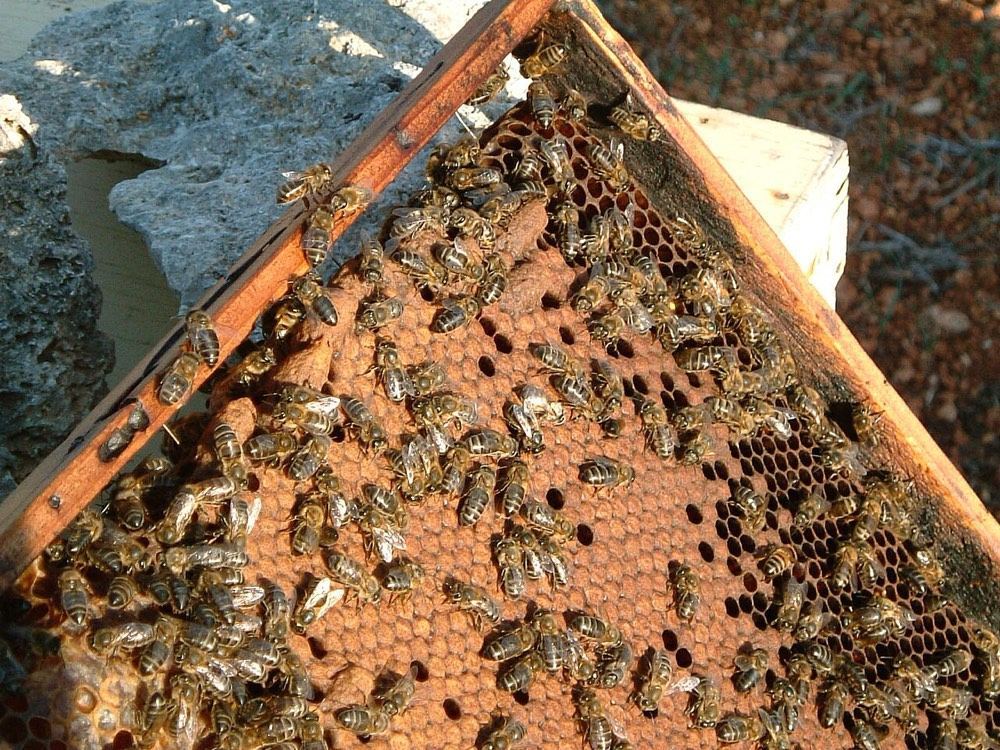
Maltese honey comes from thyme, carob, citrus and wildflowers. The islands also have their own honey bee, found nowhere else, which the Maltese Honey Bee Association is working to protect.
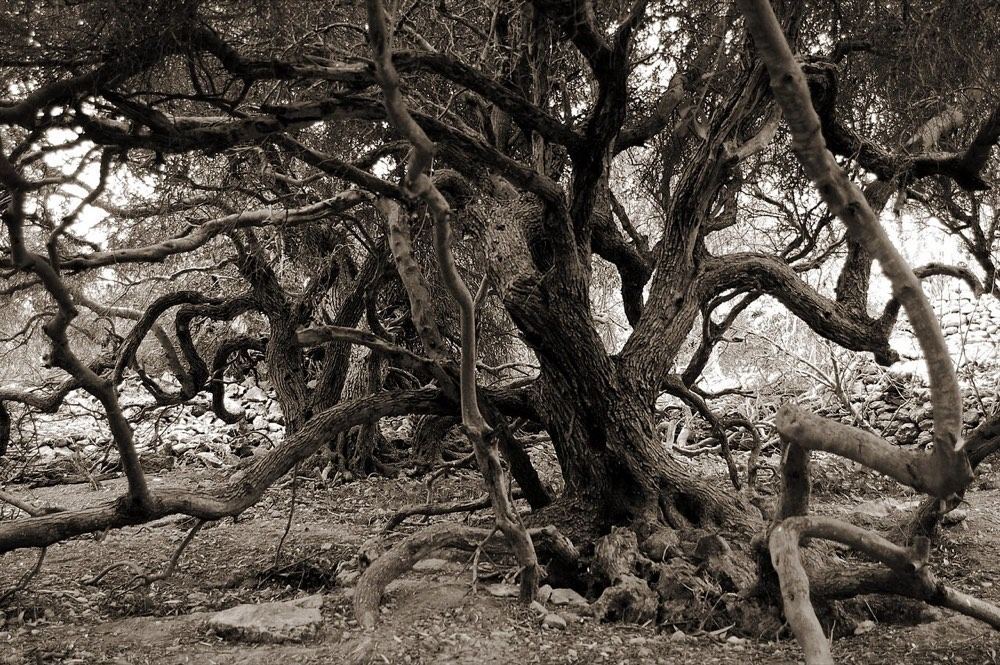
Olives have grown here for thousands of years. The Maltese white olive, the Bajda, is a local variety. Small producers press oil in autumn and many sell it directly at farm shops and village markets.
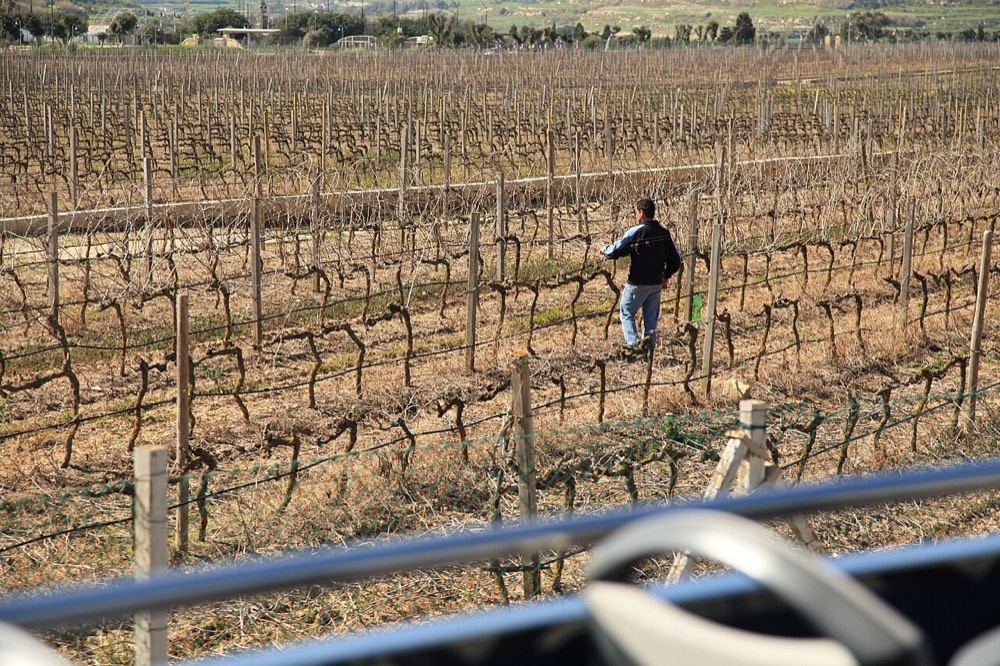
Malta makes wines from international grapes and from two native varieties: Ġellewża, a red, and Girgentina, a white. Several wineries open for tours and tastings, and the wine regions are recognised as DOK (Denominazzjoni ta' Oriġini Kontrollata).
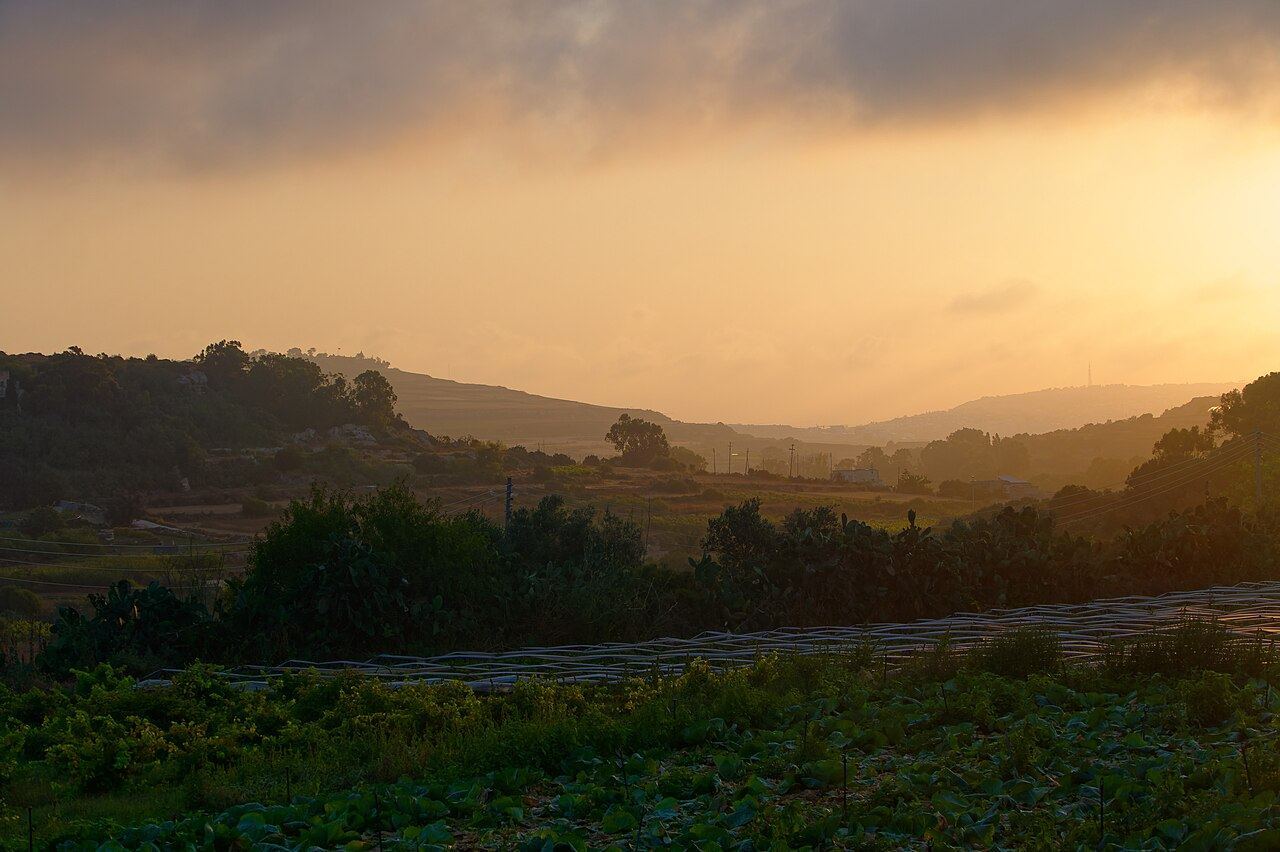
Farmland is divided into small fields held up by dry-stone walls, made without mortar. The walls stop soil from washing away, shelter crops from wind, and give homes to lizards, plants and insects. Many fields have been kept going by the same families for generations.
Other Maltese products
Kinnie and Cisk are made by Simonds Farsons Cisk. Local specialities include sun-dried tomatoes and kunserva (tomato paste), Maltese bread (ħobż tal-malti), honey rings (qagħaq tal-għasel), imqaret (date pastries), bajtra (prickly pear) liqueur, and Gozitan cheeselets. Look for local labels in markets and farm shops.
Traditional crafts
Lace, silver, glass and weaving made by hand, as the old Maltese made them.
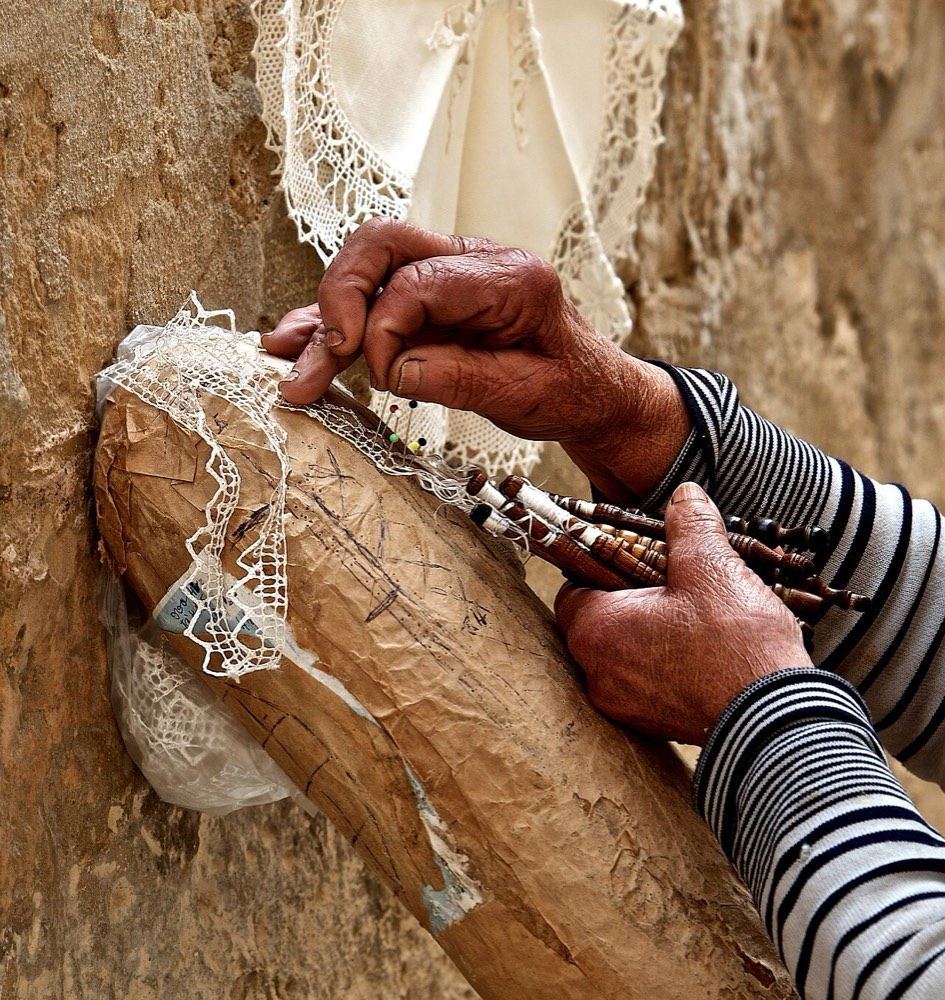
Bobbin lace, known as bizzilla, has been made by hand in Malta and Gozo for generations. Its patterns often include the Maltese cross. Gozitan lace-makers are still seen at work in doorways and craft centres.
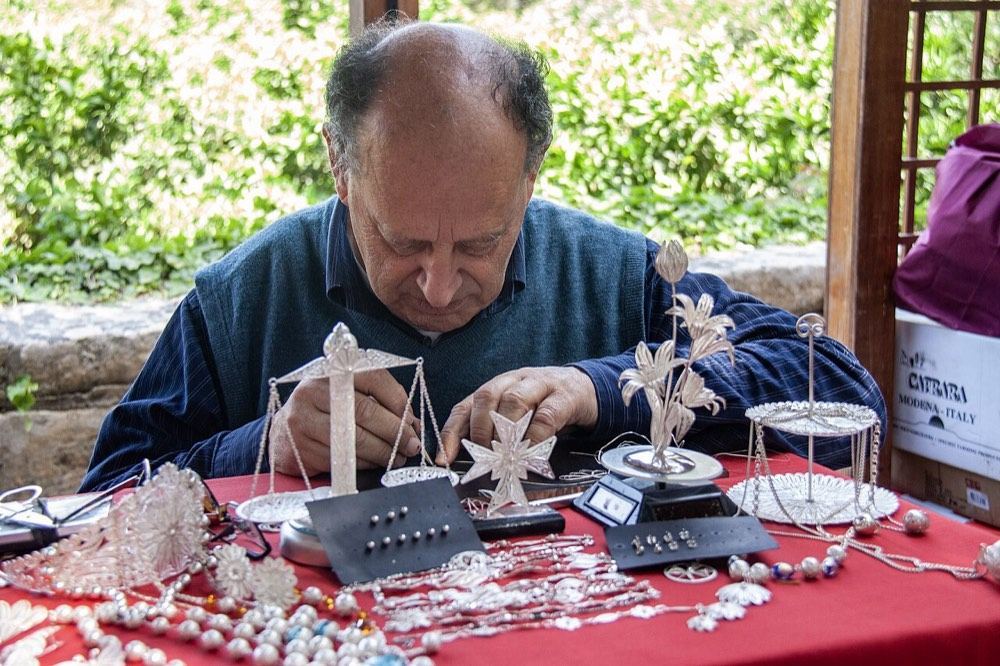
Fine silver wire is twisted and soldered into delicate jewellery, from small brooches to the Maltese cross. It is one of the island's best-known traditional trades.
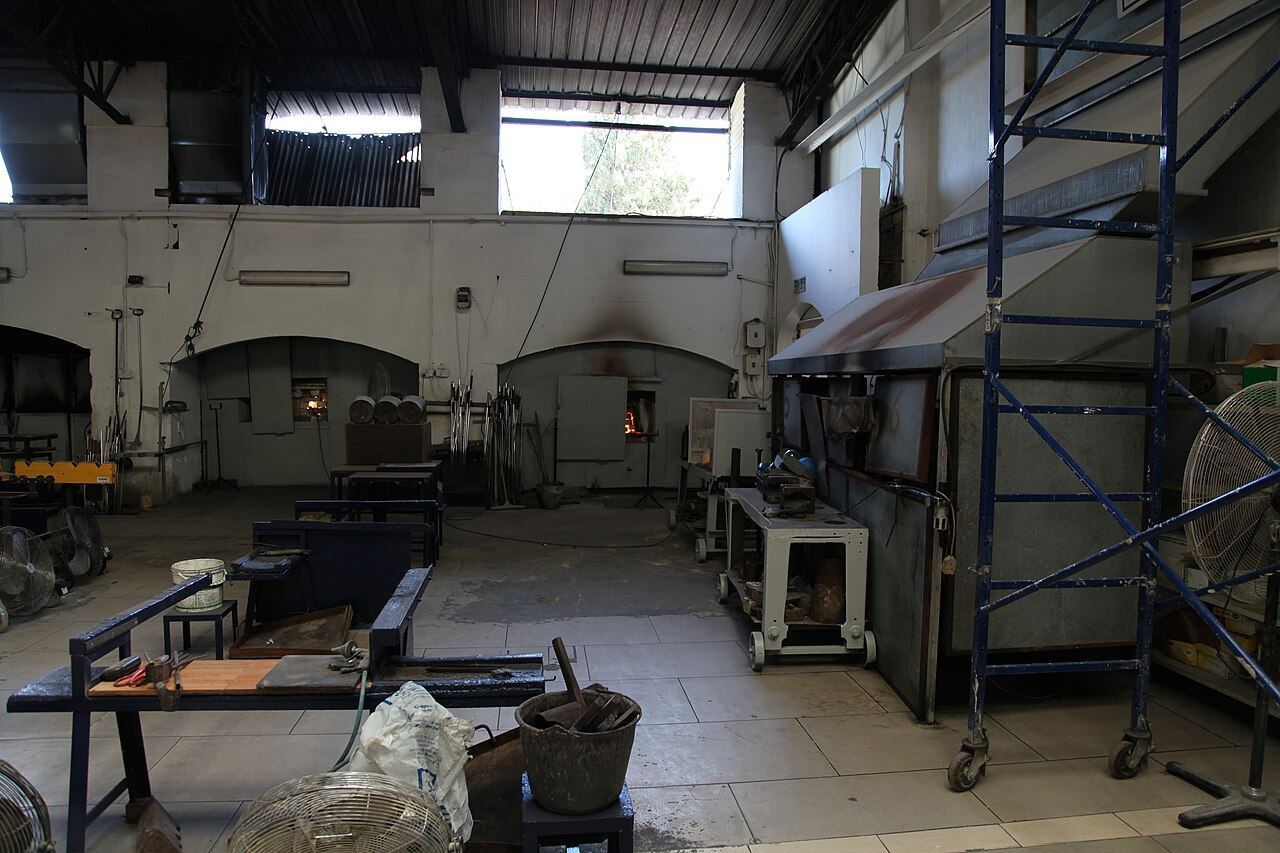
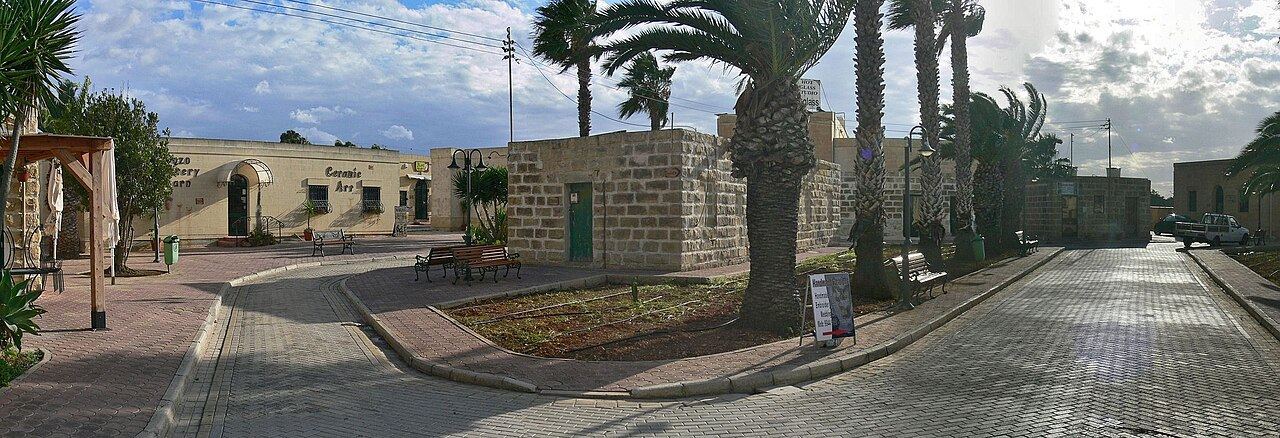
Glassmakers work with molten glass in furnaces and shape it by blowing and hand tools. Mdina Glass at Ta' Qali is one of the best-known workshops, and visitors can watch glass being made.
Gozo has a long weaving tradition, with cotton and wool made on wooden looms into blankets, bedspreads and table linen. Craft villages such as Ta' Dbieġi keep the work alive and show how it was done.
From June to September each parish celebrates its patron saint with band marches, fireworks and decorated streets. Visit Malta points to the fireworks and village festas among the traditions the Maltese are proudest of.
Carnival and Holy Week
Alongside the festas, Visit Malta names Carnival and Holy Week as the traditional celebrations to look out for. Carnival brings costumes and parades in winter, and Holy Week brings processions and church services in spring.
Language
Maltese (Malti) is the only Semitic language written in the Latin alphabet, with Arabic roots and Italian, Sicilian and English borrowings. Maltese and English are both official languages.
Sea and outdoors
Swim, snorkel and walk the coastal paths. Visit Malta counts more than 120 dive sites around the islands. Leave no trace: take litter home and keep to marked trails.
Eco-living tips
Carry a refillable bottle, never pick wild flowers, keep cats and dogs away from nesting birds, and report harm to wildlife using the Report page.
Sources: Visit Malta (Malta Tourism Authority), visitmalta.com.