Valletta Convention at 30: protecting Europe's archaeological heritage
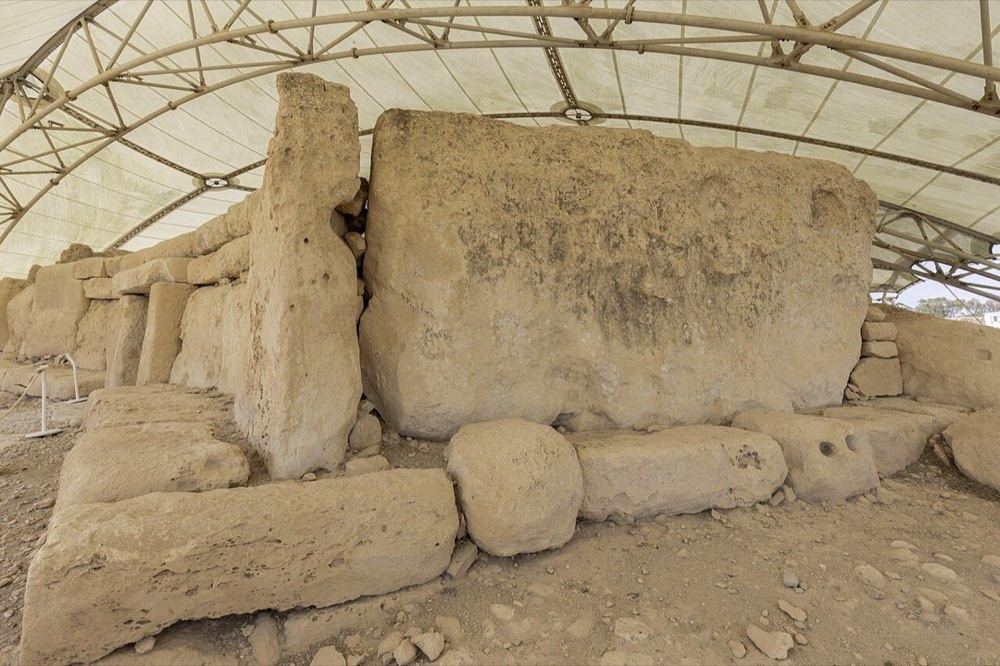
Photo: Diego Delso, CC BY-SA 4.0.
Heritage leaders from 25 countries met in Valletta to mark three decades of the treaty protecting Europe's archaeological wealth.
In September–October 2025, Valletta hosted a major international heritage summit celebrating 30 years of the Valletta Convention—the European treaty protecting archaeological heritage across the continent.
What is the Valletta Convention?
Adopted in 1992 and named after Malta's capital, the convention is Europe's primary legal framework for protecting and managing archaeological heritage. It requires member states to:
- Identify and protect archaeological sites - Integrate heritage protection into urban planning and development - Fund conservation research and excavation - Educate the public about heritage
Why Malta matters
Malta is the treaty's namesake because of its extraordinary archaeological riches: - Temples older than the pyramids (Ġgantija, Ħaġar Qim, Tarxien) - The Ħal Saflieni Hypogeum, a unique underground sanctuary - Roman mosaics and artifacts - Medieval fortifications and city planning
Current conservation initiatives
Heritagemalta.mt oversees 90+ museums and sites, including: - Major excavations at Roman sites - Restoration of the Hypogeum - Conservation of St John's Co-Cathedral - Protection of Valletta's World Heritage status
The convention's impact
Over 30 years, the Valletta Convention has helped protect thousands of archaeological sites across Europe, influenced planning laws and raised awareness that heritage is not just about old buildings—it's about understanding human history and identity.