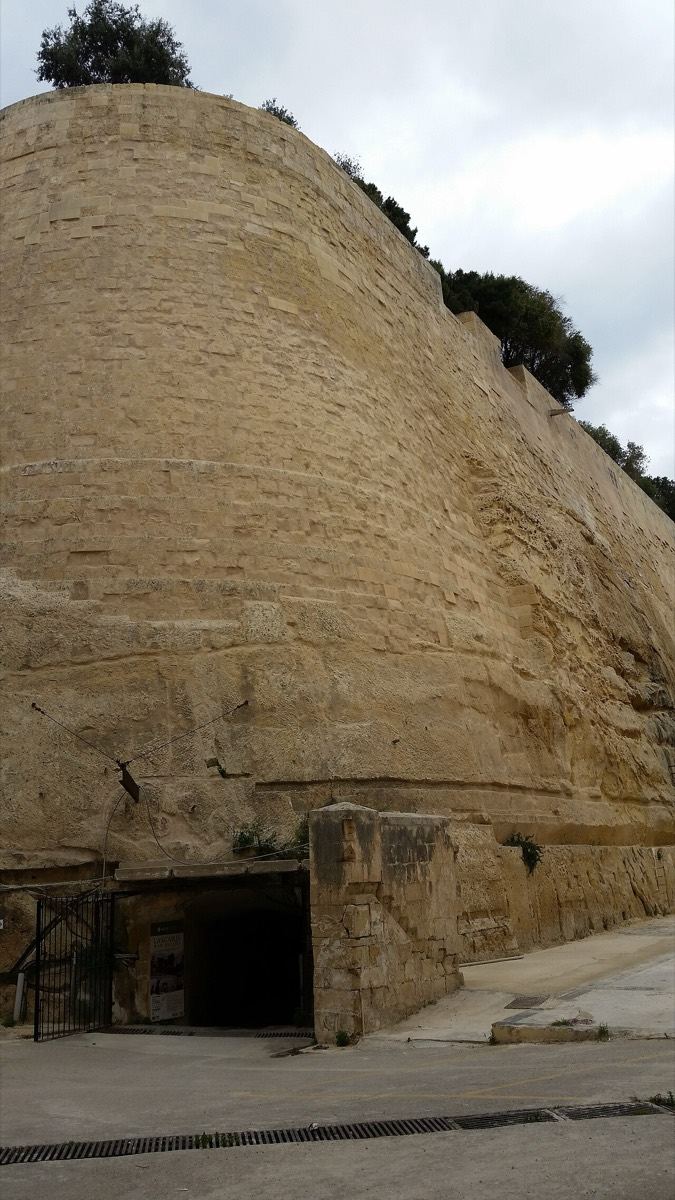
Two years of French rule, then a British colony and naval base, and a second great siege in the Second World War.
Key dates
From 1798 to 1964, Malta transitioned from Order to French rule, then became a British colony and naval base, and endured devastating bombing in the Second World War before achieving independence.
French rule and expulsion (1798–1800)
In June 1798, Napoleon Bonaparte's fleet, en route to Egypt, arrived at Malta. The Order of St John, weakened and no longer the military power of its heyday, surrendered without significant resistance. French troops occupied Valletta and the fortresses.
Under French rule, the Church's extensive properties were confiscated, Latin replaced Italian as the administrative language, and French customs and law were imposed. Many Maltese resented these changes, and resistance formed within two years.
Maltese and British forces joined against the French in 1799. British forces under Admiral Sir Alexander Ball blockaded and then captured Malta in 1800. The French garrison in Valletta held out until 1802 before surrendering.
British Malta (1814–1964)
By the Treaty of Paris (1814), Malta officially became a British colony. For 150 years, it remained under British rule, with the Governor wielding executive power and a nominated and elected Legislative Council providing advice.
### The strategic base
Britain valued Malta above all for its harbour. The Grand Harbour became a major Royal Navy base, with dry docks, shore establishments and administrative facilities. Malta's position between Europe, North Africa and the Suez Canal made it strategically critical.
### The Second World War (1940–1943)
When Italy entered the Second World War in June 1940, Malta became a primary target. German and Italian aircraft bombed the islands relentlessly. Valletta, the dockyards and airfields suffered devastating damage. Thousands of civilians were killed or injured. Food and fuel ran short.
Malta became a fortress island. RAF fighters defended from airfields at Luqa and Hal Far. The Grand Harbour was under constant attack. In April 1942, King George VI awarded the George Cross to the entire island—the only non-military unit to receive the award. It now appears on the Maltese flag.
By 1943, Allied forces had seized North Africa and the Western Allies prepared to invade Sicily and mainland Europe. Malta's suffering eased, though occupation had cost around 1,600 lives.
### Post-war development
After 1945, Malta's role as a naval base continued, though modified. British military presence remained substantial. Tourism began to develop. A process toward self-government began in the 1950s.
Independence (1964) and after
On 21 September 1964, Malta achieved independence. Full sovereignty transferred from Britain to a Maltese government, though the British Queen remained head of state.
On 13 December 1974, Malta became a republic, with an elected president as head of state.
On 31 March 1979, the last British forces left Malta, and British military bases were transferred to Maltese control. This date, Freedom Day, marks Malta's complete independence.
European integration
In 2004, Malta joined the European Union, aligning itself with European institutions and economic structures. In 2008, Malta adopted the euro as its currency.
Legacy of British rule
British rule left lasting imprints: English remains an official language, left-hand driving, Common Law traditions in the legal system, and many British cultural influences remain visible.
Malta in 1846: early photographs
Some of the earliest photographs ever taken in Malta, made in 1846 by the Welsh clergyman and photographer Calvert Richard Jones with the new calotype process. They show Valletta, the Three Cities and the countryside early in British rule.
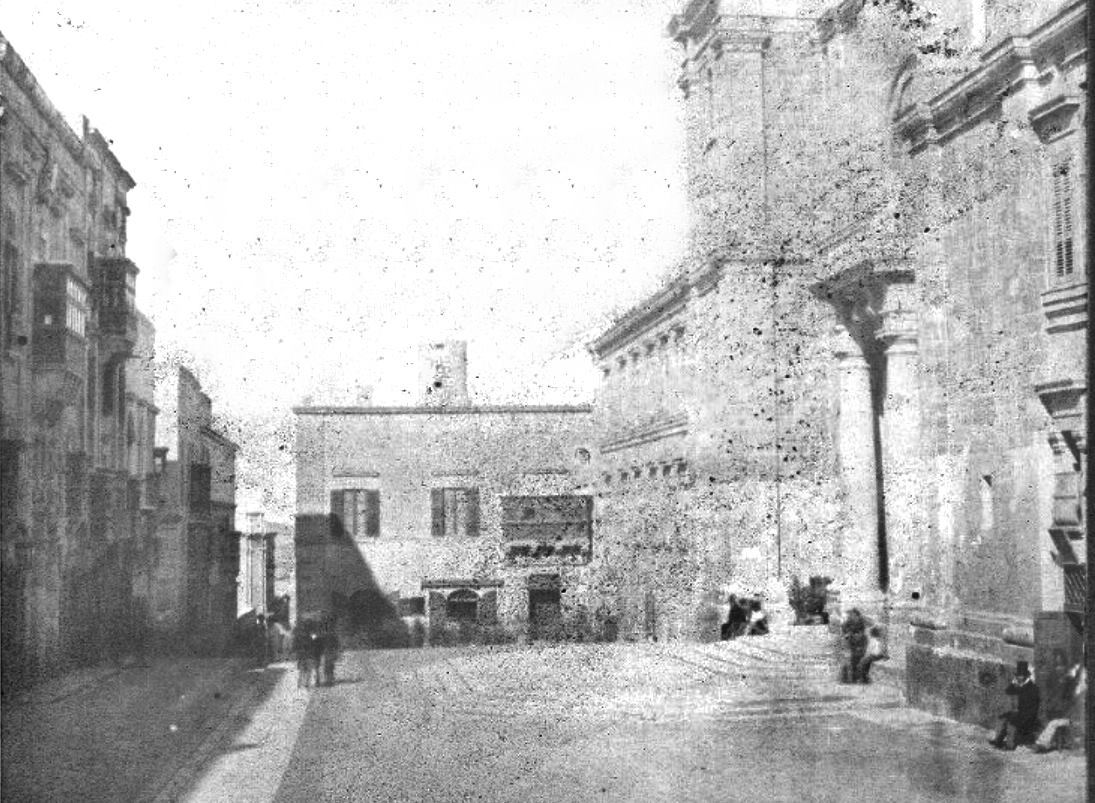
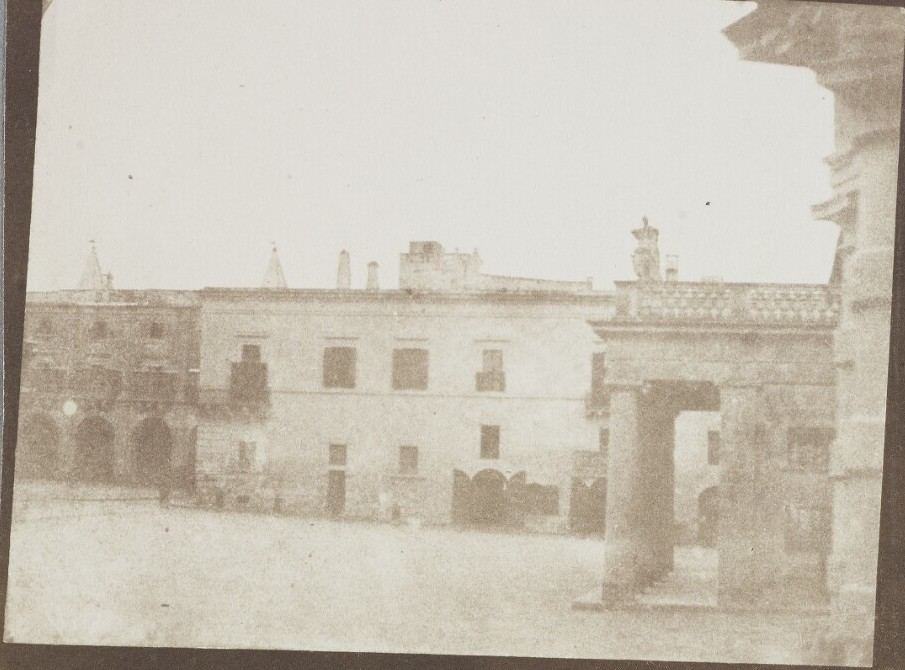
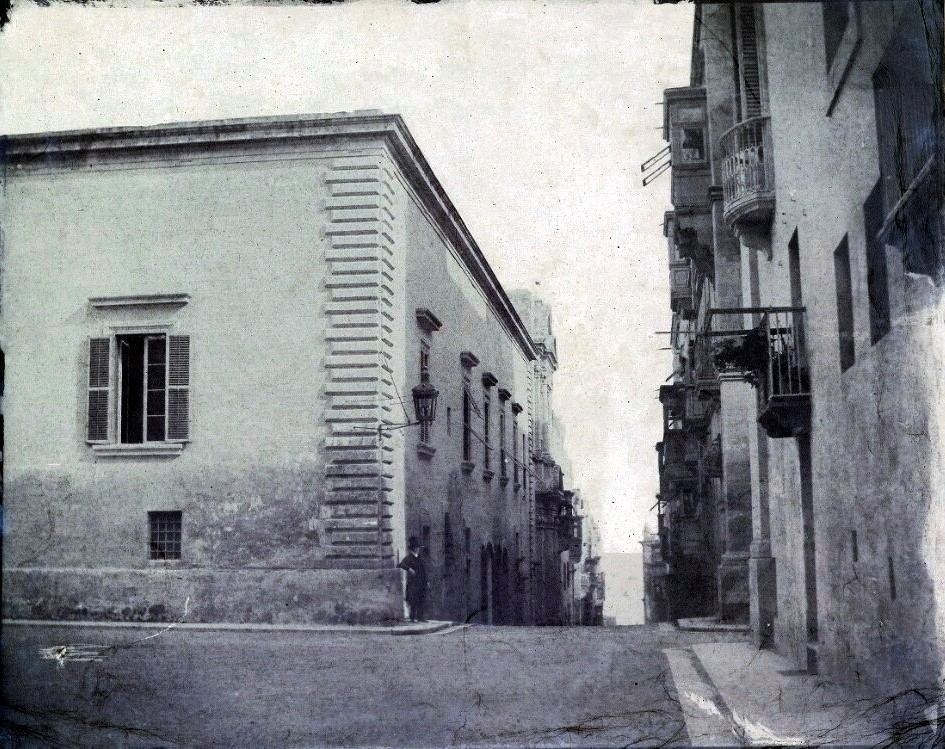
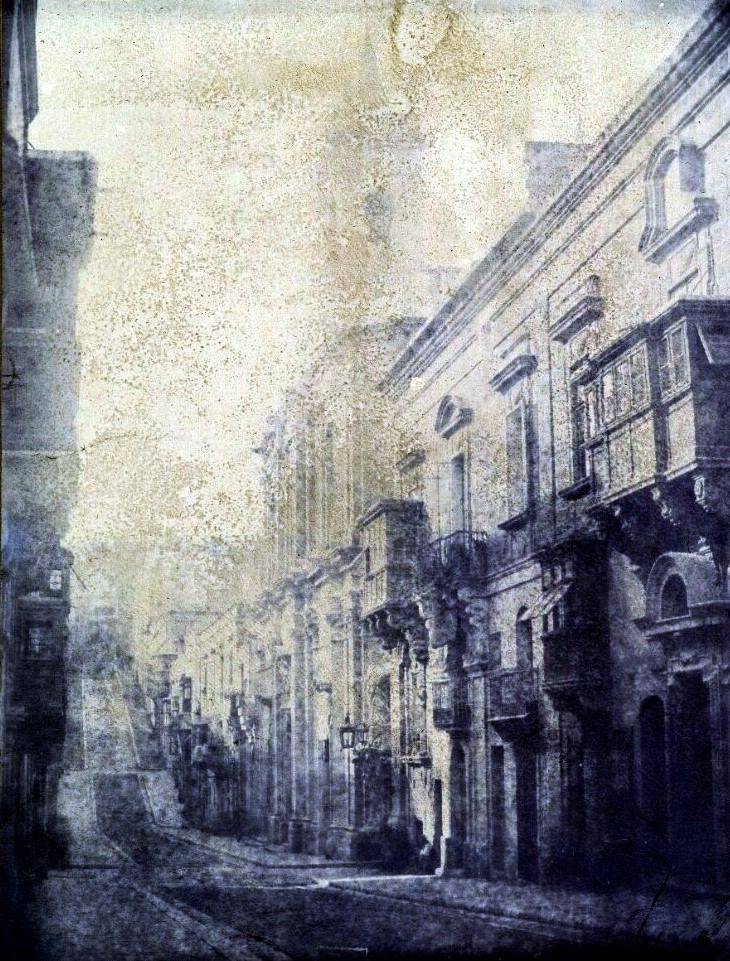
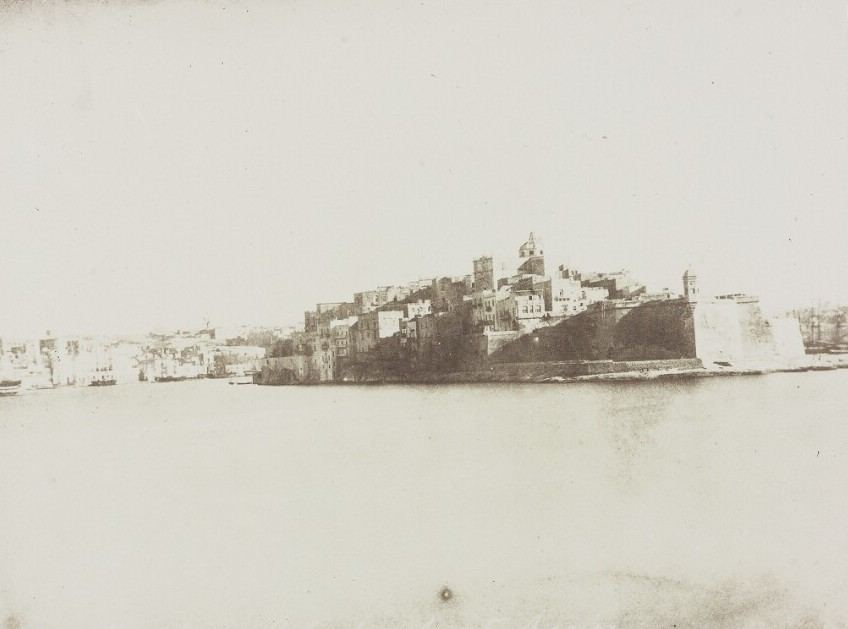
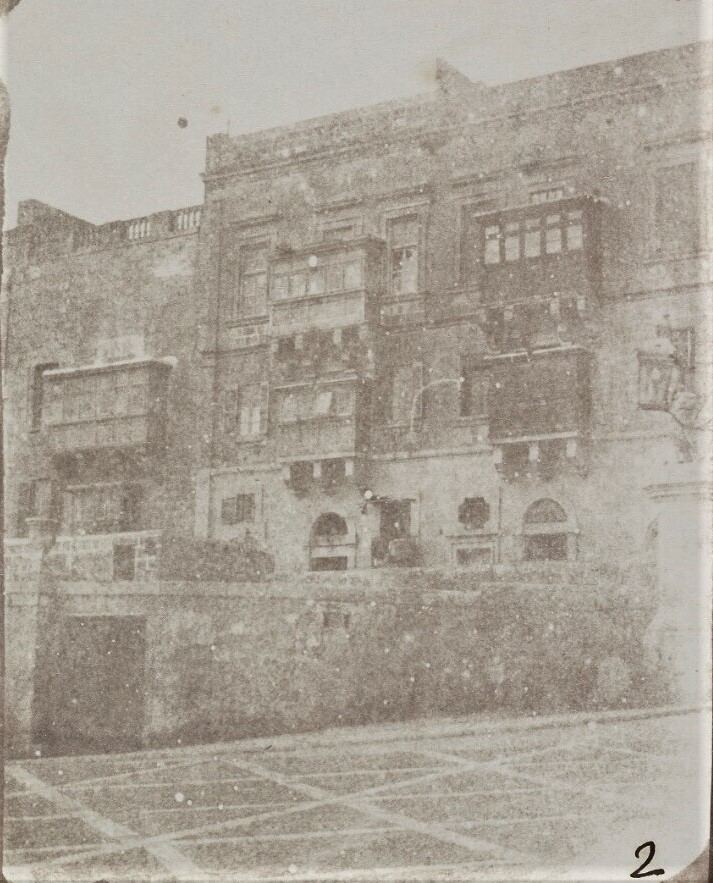
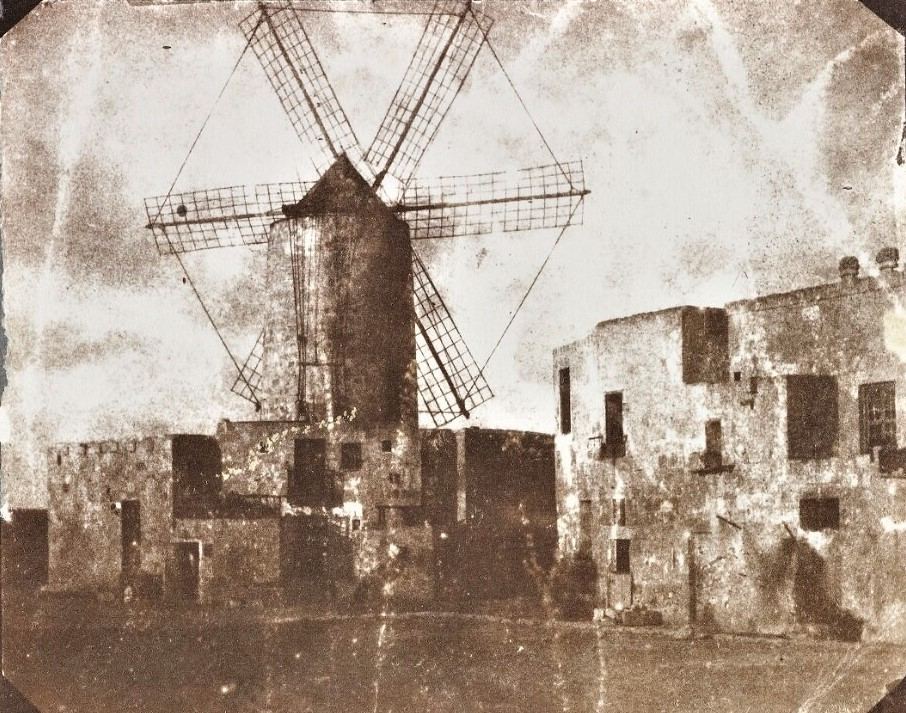
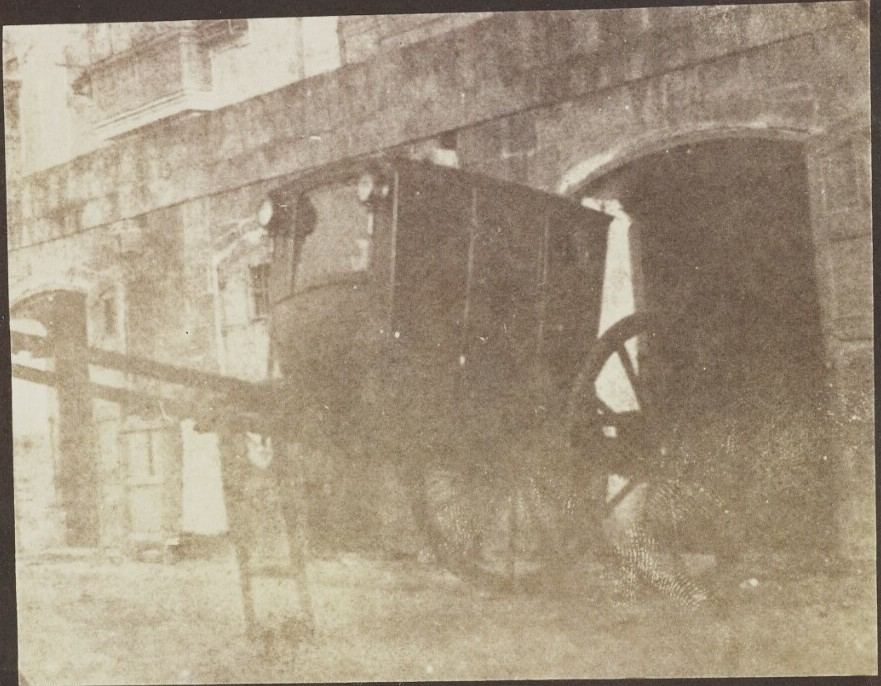
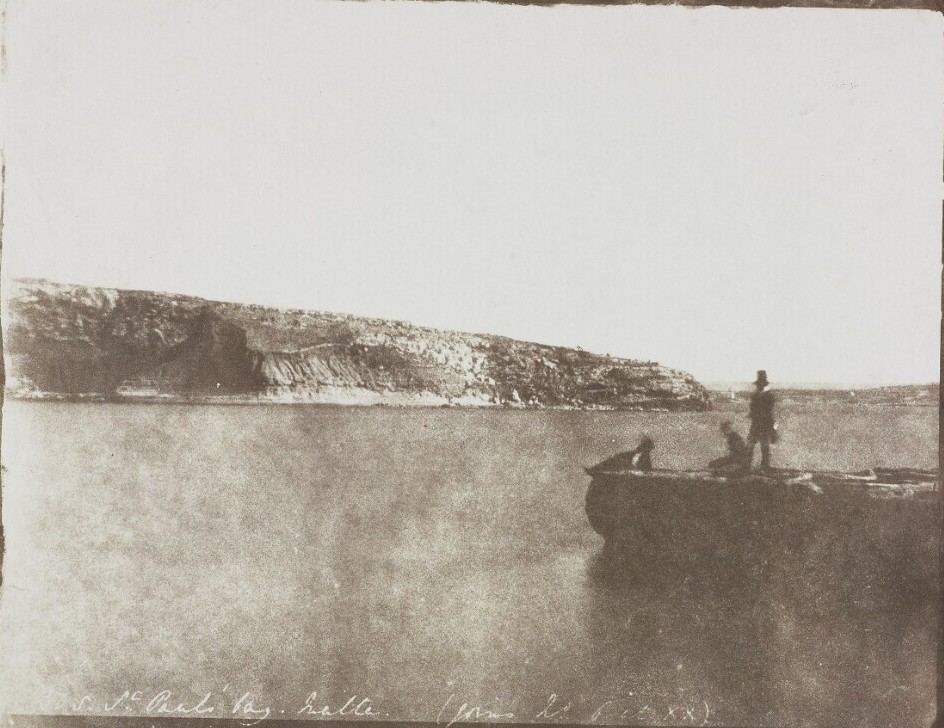
Photo: Pi3.124, CC BY-SA 4.0. All photo credits