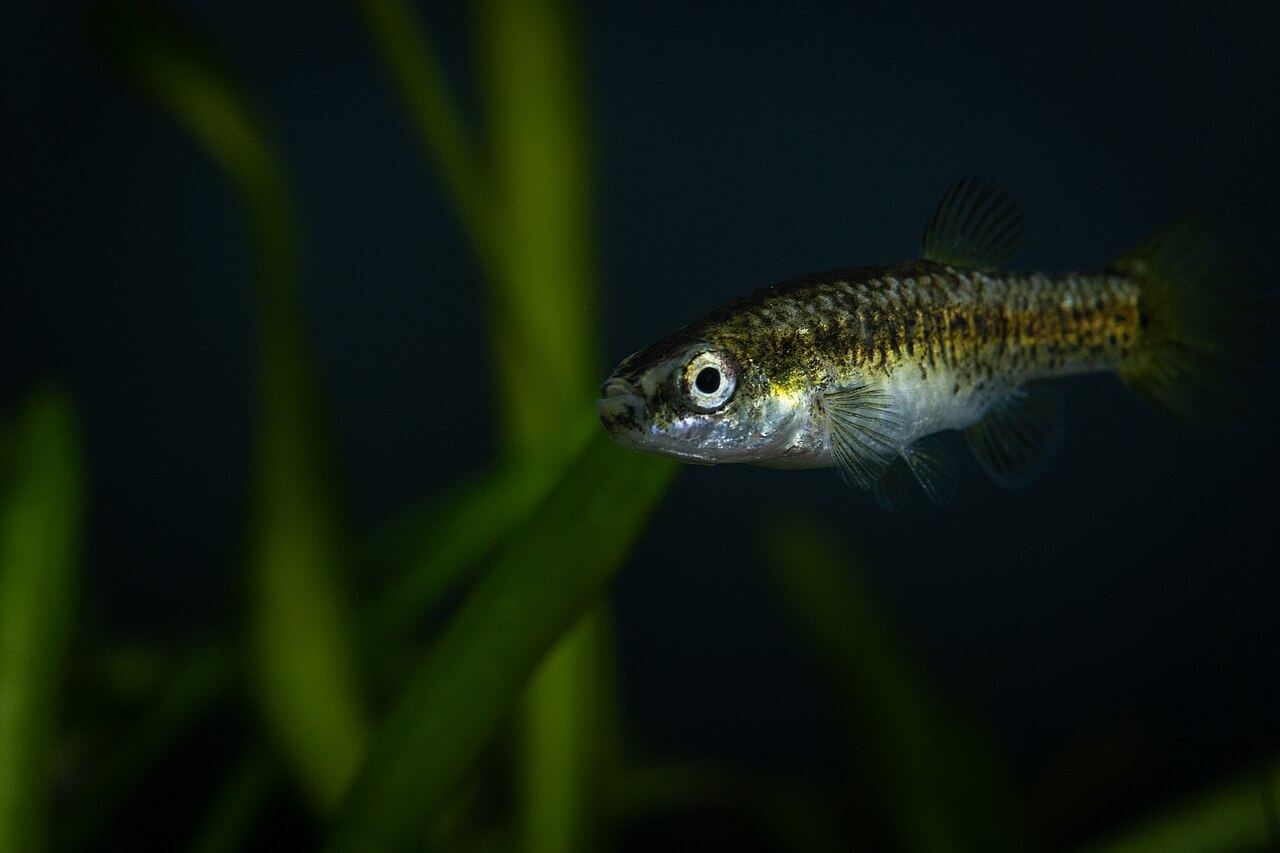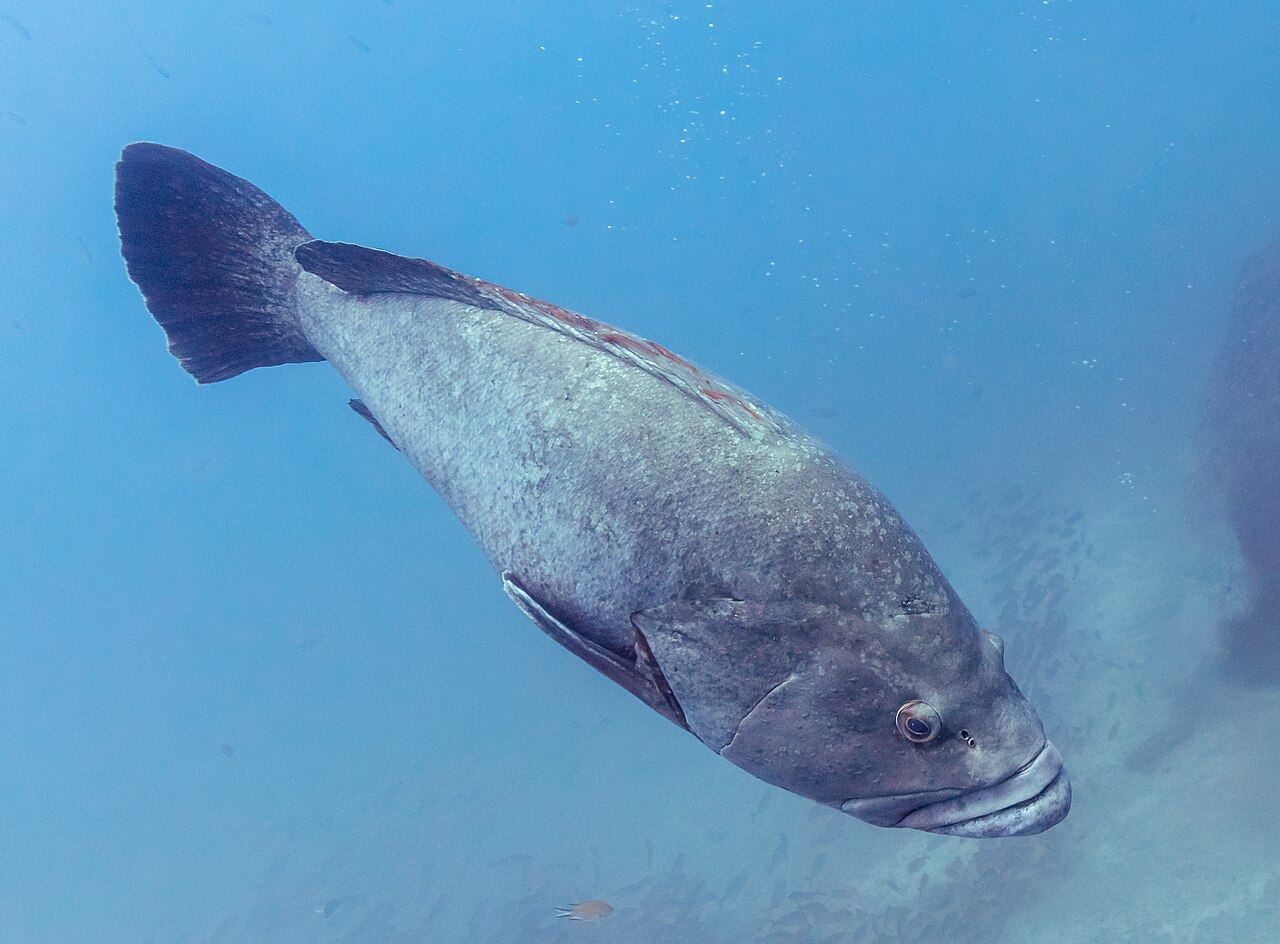
A big, long-lived fish of rocky reefs, curious about divers and easy to catch, so now much rarer.
The dusky grouper (Epinephelus marginatus), called iċ-ċerna in Maltese, is a large, solitary fish of rocky reefs, caves and coastal crevices. It can grow to around 1.2–1.5 metres and may live for 50 years or more. It is a protogynous hermaphrodite: young fish begin life as females, and some later change into males. This makes the removal of large fish especially harmful, because fishing can reduce the number of breeding males and disturb the natural sex ratio.
The species is threatened by overfishing, recreational spearfishing and damage to rocky coastal habitat. Its slow growth, late maturity, long life and dependence on spawning aggregations make recovery difficult; it is listed as Vulnerable globally, while Mediterranean assessments have described it as more seriously threatened.
Threats
Overfishing and spear fishing, which remove the oldest, largest fish.
How to help
Choose sustainable seafood and obey size limits and protected-area rules. Report illegal spear fishing to ERA or the police.
Photo: Diego Delso, CC BY-SA 4.0.