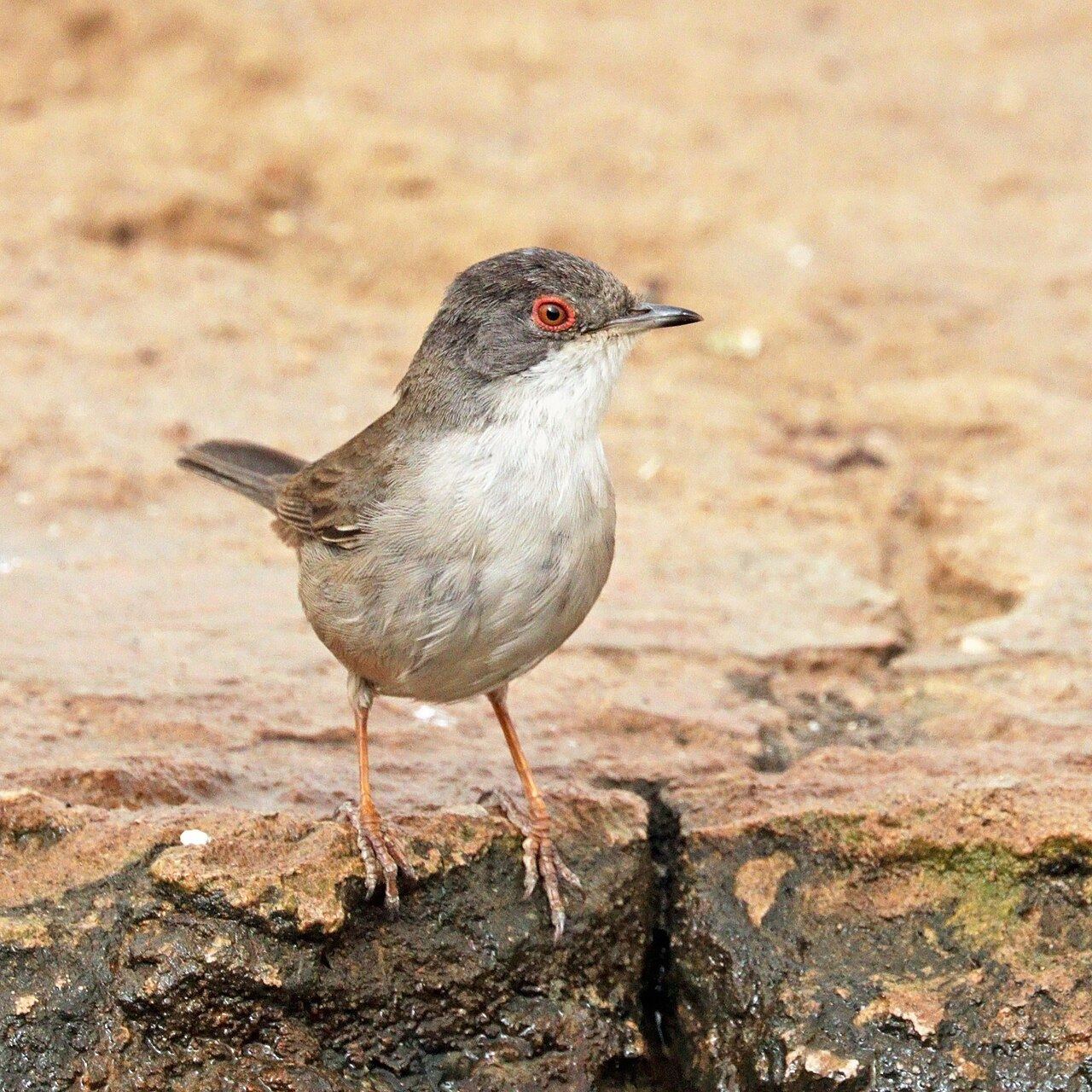
The Sardinian Warbler is a small, common and protected resident bird of the Maltese Islands. It lives in Malta, Gozo and Comino throughout the year and is one of the few birds that regularly breeds in urban gardens. Its rapid, rattling call is a familiar sound in Maltese gardens, valleys and garigue.
The Sardinian warbler lives in Malta all year. The male has a black cap, a white throat and a red ring around the eye. The species is usually seen moving quickly through bushes, making short flights from one shrub to another. It feeds mainly on insects, especially during the breeding season, but also eats small berries and other fruit during autumn and winter.
The Sardinian Warbler prefers areas with thick, low vegetation and dense undergrowth. In Malta, it is found in: • Garigue and maquis. • Valleys and coastal scrub. • Hedgerows and countryside. • Open woodland with bushes. • Private and public gardens. • Urban areas where there are enough shrubs and trees.
Dense shrubs provide food, shelter and suitable places for cup-shaped nests.
Threats
The species is common, but it can still be affected by: • Loss of garigue, maquis, hedgerows and other natural vegetation. • Removal or severe cutting of shrubs during the breeding season. • Urban development and the disappearance of green spaces. • Disturbance near nests. • Illegal trapping and shooting. • Predation by cats, rats and snakes. • Pesticides that reduce the insects on which the birds depend. Natural hazards, including strong winds and rain, can also damage nests.
How to help
Gardens can provide important food and shelter when they are not excessively manicured or treated with chemicals. • Plant and preserve native shrubs, trees and berry-producing plants. • Keep hedges and dense vegetation, especially during the breeding season. • Avoid cutting or clearing shrubs between February and July unless necessary. • Avoid pesticides and herbicides where possible. • Keep cats away from nesting areas and supervise them outdoors. • Do not disturb nests or repeatedly enter areas where birds are giving alarm calls. • Report suspected illegal trapping or shooting to BirdLife Malta or the Malta Police Force. • Support protected valleys, garigue areas, nature reserves and community gardens.
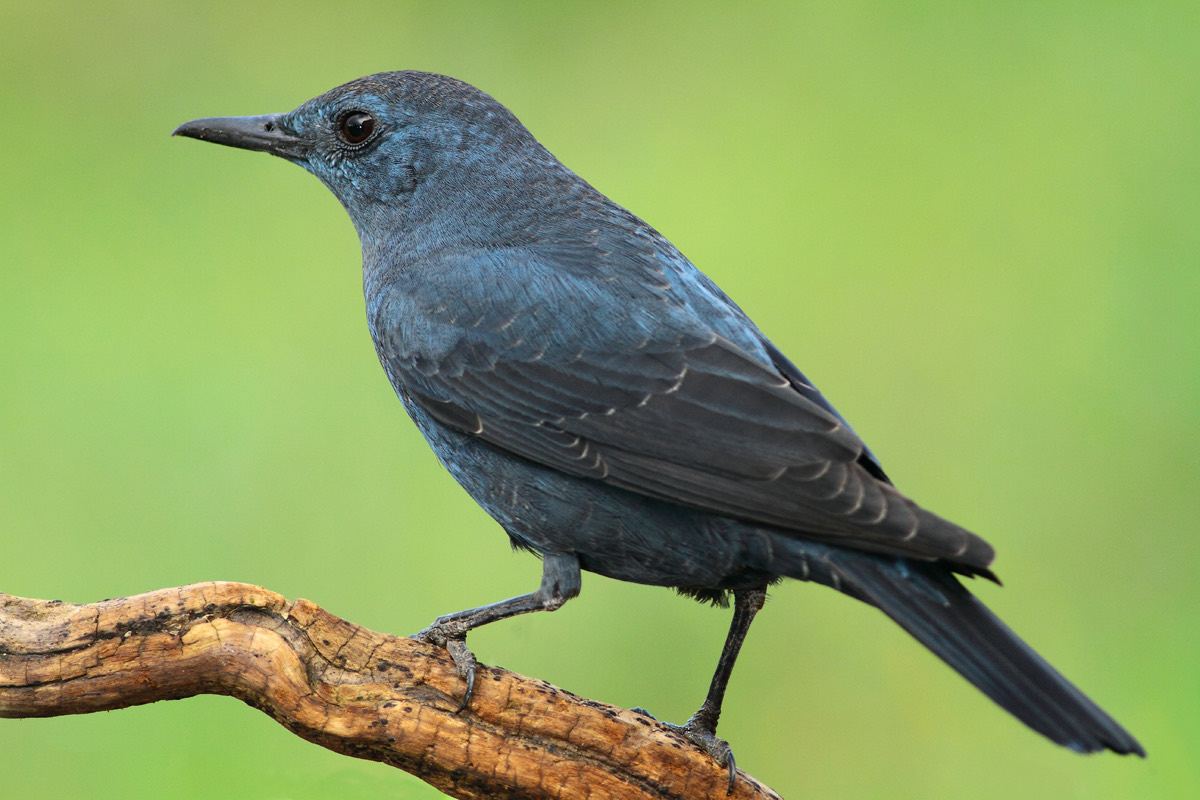
Photo: Charles J. Sharp, CC BY-SA 4.0.